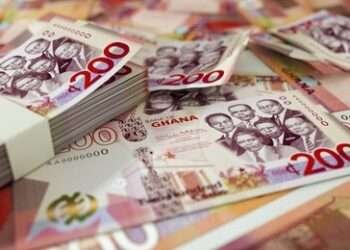
The Ghanaian economy has been grappling with a concerning trend as the value of the cedi plummeted, crossing the GH¢13 mark against the US dollar. This continued depreciation of the local currency has sparked worries among Ghanaians, with implications for various sectors of the economy.
According to reports from forex bureaus, the exchange rate saw one US dollar being sold for between GH¢13.05 and GH¢13.15. This significant decline in the value of the cedi has raised eyebrows and prompted discussions about the possible underlying factors contributing to this trend and the dire implications it will have on the already struggling Ghanaians.
The depreciation of the Ghanaian cedi has been particularly pronounced in recent days, with significant losses observed against major international currencies. Year-to-date, the local unit has experienced a depreciation of approximately 5.36%, with a notable decline of about 26 pesewas against the US dollar in just the last two days of the week.
This trend extends beyond the US dollar, affecting other major currencies as well. The pound and the euro are now fetching GH¢16.20 and GH¢14 respectively, indicating a similar pattern of depreciation across multiple currency pairs.
The cedi’s performance at the beginning of the week started at GH¢12.85 on the retail market, but the Bank of Ghana quoted a rate of GH¢12.40 for one US dollar. This discrepancy between official and retail rates underscores the challenges facing currency stability and the need for effective monetary policy measures.
Last week saw a notable weakening of the cedi, with a 1.37% decline against the US dollar. This was attributed to factors such as immense corporate demand and cedi-funded foreign exchange pressure, highlighting the vulnerability of the local currency to external and internal pressures.
Prior projections by research institutions had anticipated a mid-US dollar Ghana cedi rate of GH¢13.10, representing an annual loss of 8.4%. Despite expectations of improving fundamentals, external inflows, and appropriate monetary policy measures, uncertainties such as election-related dynamics and external debt restructuring have exerted downward pressure on the currency.
Significant Implications for Ghanaian Consumers
Meanwhile, the depreciation of the Ghanaian cedi against major international currencies has significant implications for Ghanaian consumers across various aspects of their daily lives.
As the cedi weakens, the cost of imported goods and services increases. This includes essential items such as food, fuel, and medication, as well as non-essential goods like electronics and clothing. With higher prices, consumers may find their purchasing power reduced, impacting their ability to afford basic necessities and discretionary purchases.
Moreover, currency depreciation often leads to inflationary pressures as the cost of imported goods rises. This can erode the real value of consumers’ incomes, making it more challenging to maintain their standard of living. Higher inflation rates may also prompt the central bank to tighten monetary policy, which can further constrain consumer spending.
In response to currency depreciation and inflationary pressures, the central bank may raise interest rates to stabilize the currency and control inflation. Higher interest rates can increase the cost of borrowing for consumers, affecting loans for mortgages, car purchases, and personal expenses. This can reduce disposable income and limit consumers’ ability to make large purchases or investments.
In addition, currency depreciation can impact the value of savings and investments held in foreign currencies or assets denominated in foreign currency. For example, if an individual holds savings in US dollars, the depreciation of the cedi against the dollar diminishes the purchasing power of those savings when converted back into local currency. Similarly, investments in foreign stocks or bonds may experience fluctuations in value due to exchange rate movements.
Higher import costs resulting from currency depreciation can also affect local businesses. These businesses may pass on the increased costs to consumers through higher prices, further exacerbating the impact on consumer purchasing power. Additionally, businesses that rely on imported inputs or raw materials may face margin pressures, potentially leading to job losses or reduced investment in expansion and innovation.
On the economy, the weakening of the cedi has far-reaching implications for the Ghanaian economy. Import-dependent sectors, such as manufacturing and retail, face increased operational costs, which may lead to higher prices for goods and services. This, in turn, can put pressure on households already grappling with rising living expenses.
Furthermore, a depreciating currency can undermine investor confidence and deter foreign direct investment. The uncertainty surrounding currency stability makes businesses hesitant to commit capital to long-term projects or ventures in the country. This could hamper economic growth and job creation, further exacerbating socioeconomic challenges.
Reasons for the Recent Cedi Depreciation
Analysts have pointed to several reasons for the recent depreciation. One notable factor is the incessant corporate demand for foreign currency, which has been described as seasonal. This demand, driven by import needs and other business transactions, exerts pressure on the cedi and contributes to its weakening against major international currencies.
Moreover, the recent issuance of Government of Ghana bonds has added to the strain on the cedi. With over GH¢5 billion in coupon payments made to investors last week alone, the outflow of funds has further exacerbated the currency’s depreciation. While these factors play a significant role, analysts warn that the situation extends beyond these immediate issues.
Addressing the root causes of cedi depreciation requires a multifaceted approach. While short-term measures such as interventions by the central bank may provide temporary relief, sustainable solutions involve structural reforms and prudent fiscal policies. Strengthening export sectors, promoting local production, and enhancing transparency in government financial management are crucial steps toward stabilizing the currency and fostering economic resilience.
These developments underscore the importance of implementing robust economic policies to address currency depreciation and promote stability. Measures to enhance export competitiveness, attract foreign investment, and strengthen fiscal discipline are essential to mitigate the impacts of external shocks and safeguard the value of the Ghanaian cedi.
In hindsight, it is imperative for the President of Ghana, Nana Addo Dankwa Akufo-Addo to come up with timely solutions and strategic reforms needed to address underlying vulnerabilities and foster sustained economic growth and stability for the nation.
READ ALSO: Muslim Community Presents Political Parties With Proposals For Presidential Manifestoes