
Creative work is popularly framed as spontaneous bursts of inspiration, a romantic pursuit that thrives on freedom and unpredictability.
That image feeds cultural admiration—and often political calls for more grants and prizes—but it disguises a practical reality: creativity flourishes best when scaffolded by reliable systems. Talent alone cannot overcome chronic precarity, opaque markets, and diffuse distribution channels.
The question for policymakers, funders, and practitioners is not whether to spend more money, but how to structure the industry so that whatever money exists is used efficiently, equitably, and with long-term impact.
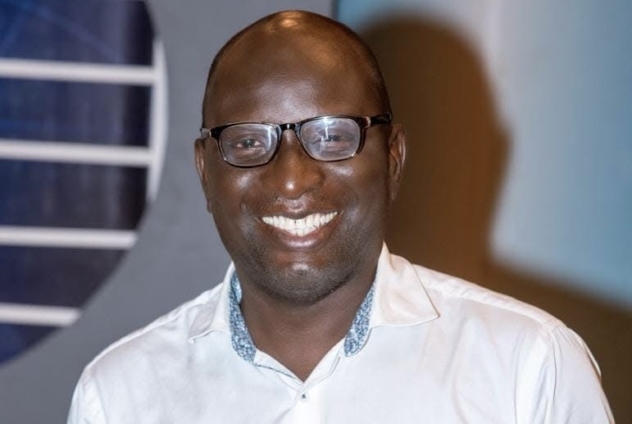
Veteran Ghanaian filmmaker Socrate Safo has stated that what Ghana’s creative industry needs most is proper structure, not just money.
He has argued that without well-established systems, the industry will continue to struggle for the recognition it deserves.
Socrate Safo noted that many creatives often misplace their priorities by focusing solely on financial support, rather than advocating for sustainable frameworks that can support their work in the long term.
“I can see the industry has not properly positioned itself to be given he needed recognition or attention. This is what I see from my experience. You call creatives into a forum; they will all be talking about money. They say the government should give us money, and you ask yourself, what are you going to do with that money? Leave the money side to people who must manage the money. You are a talent. But we always call, emulation will go and ask for money too.”
Socrate Safo

He explained that the constant demand for money makes the industry look unorganized. In his view, filmmakers, actors, and producers all end up making the same complaints about finances, which sends the wrong signal about the industry’s priorities.
“We don’t know what we are about. As a filmmaker, I go to places, and you see actors also crying for money. I should give money to the actors to do what?”
Socrate Safo
In many creative sectors—such as music, writing, film, visual arts, and game design—work is episodic: projects, gigs, or commissions come and go. Without standardized contracts, clear rates, and benefits mechanisms, practitioners are pushed into the gig economy’s precarity: irregular income, lack of health benefits, and no retirement security.
Much creative work fails to find the right audience, not due to quality but because of weak distribution and discovery systems. Platforms and gatekeepers increasingly mediate access to audiences; artists unfamiliar with algorithms, metadata, or platform economics get marginalized.
Systemic solutions—transparent distribution contracts, collective licensing agreements, curated discovery mechanisms, and support for intermediary organizations (publishers, galleries, independent labels)—help creators navigate this landscape. Structure here is, practically, the difference between visibility and obscurity.
Counterarguments and Balance: Money Still Matters
New projects require capital; better pay reduces precarity and attracts diverse talent. Yet history and contemporary practice show that capital without governance often gets misallocated: speculative funding creates bubbles; prestige grants disproportionately benefit those already connected; and one-off cash infusions rarely build ecosystems.
Conversely, relatively modest investments in structure—establishing a public commissioning body, funding a regional cultural hub, creating a legal aid fund for artists—can unlock much greater creative value per dollar.
Think of how well-run studios, public broadcasters, or cooperative publishers have sustained creative output over decades: they combine capital with institutional arrangements that steward talent, manage risk, and amortize costs.
The creative industry is not a bottomless well of spontaneous genius that can be fixed simply by dropping more money into it. It is an ecosystem of people, institutions, and markets that needs the scaffolding of predictable systems to function equitably and at scale.
Structure does not stifle creativity; it liberates it by removing avoidable burdens—financial precarity, legal ignorance, distribution opacity—and by providing the platforms and processes that let talent mature and be rewarded.
Prioritizing structure over one-off funding will produce healthier careers, more diverse voices, and a more productive creative economy—an investment in the conditions that make creativity enduring, not ephemeral.
READ ALSO: DSTV Price Cut Saga: Analyst Pushes for Competition Law to Protect Consumers