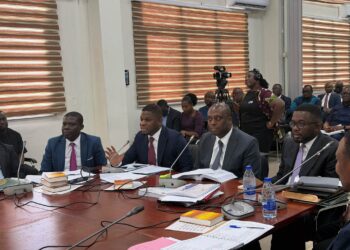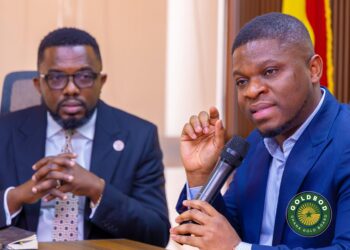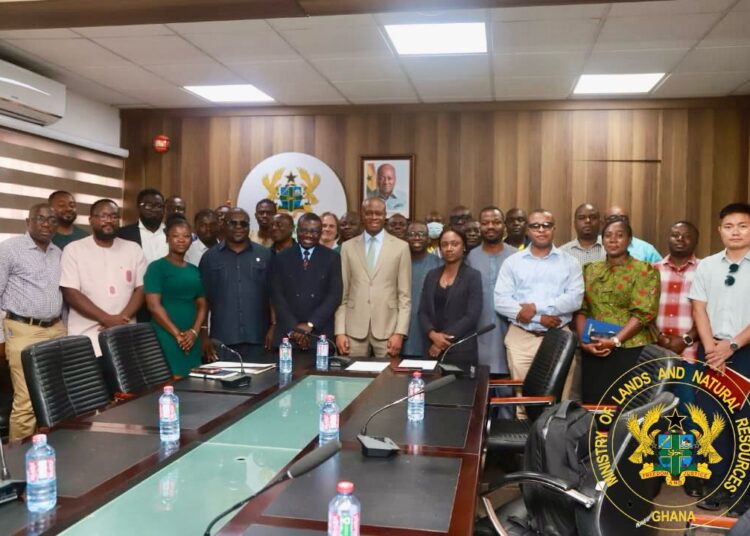
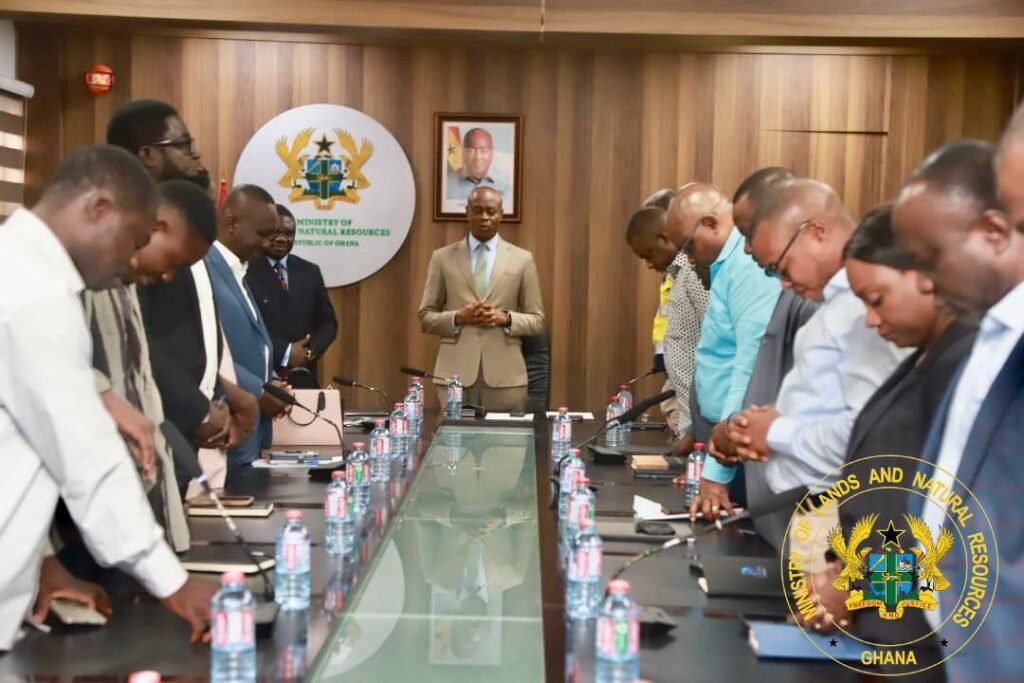
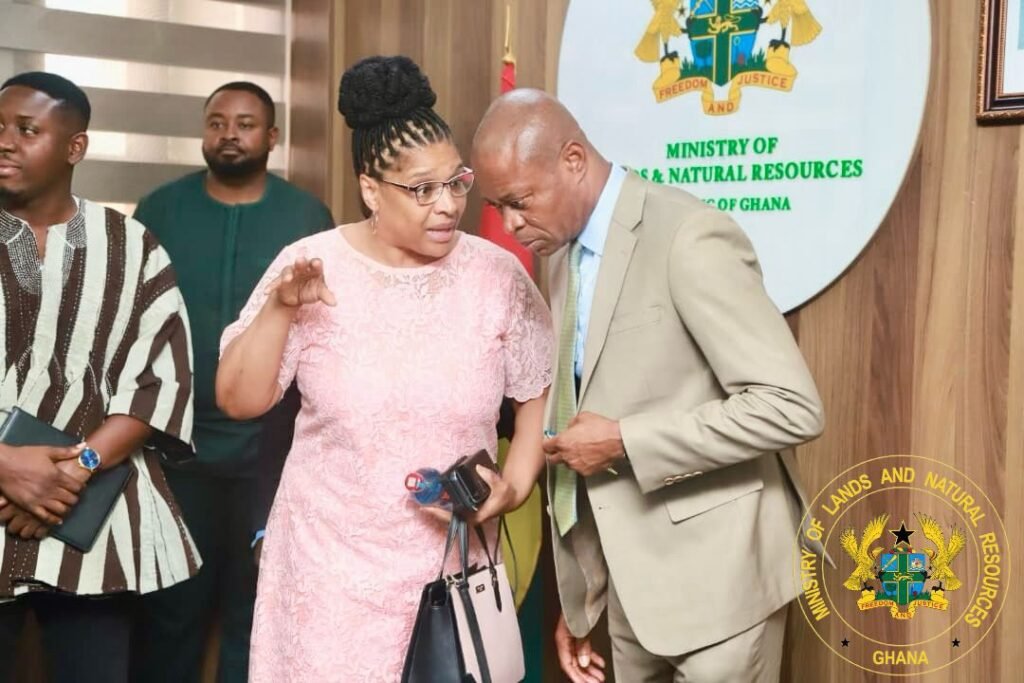
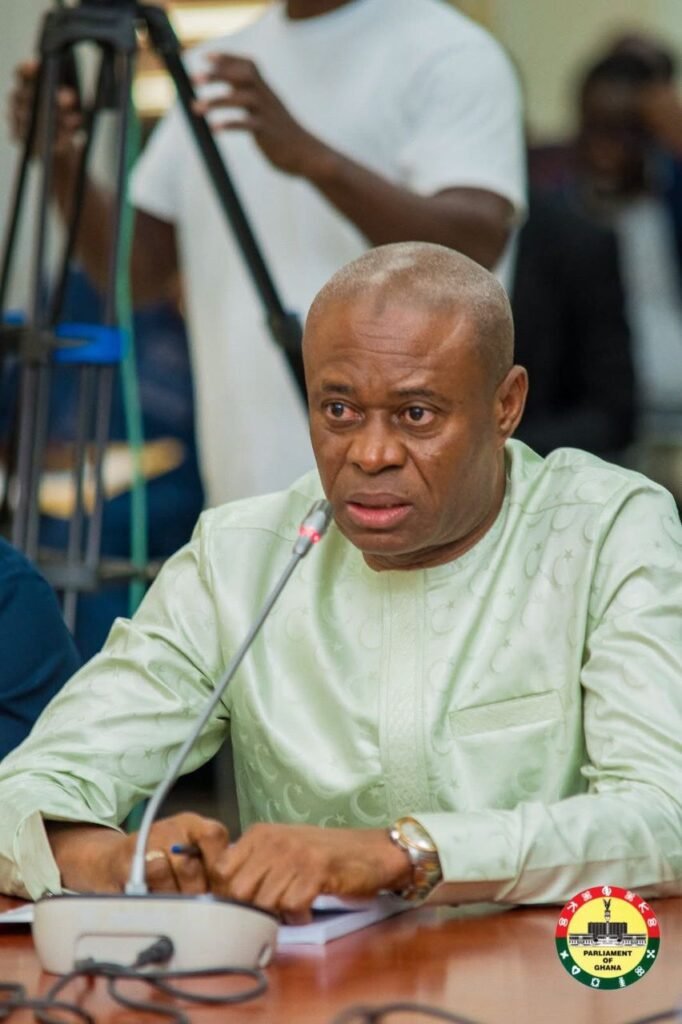
Deputy Minister for Lands and Natural Resources, Hon. Sulemana Yusif, has convened a high-level consultative meeting with industry stakeholders to advance the Responsible Cooperative Mining and Skills Development Programme (rCOMSDEP).
The move signifies a strategic shift toward a more inclusive extraction model, where the Ministry acts as a facilitator between large-scale mining entities and local mining cooperatives.
During the discussions, Hon. Yusif emphasized the administration’s commitment to transforming the sector from a fragmented, often informal activity into a structured economic driver that prioritizes environmental stewardship and local content.
“The engagement focused on identifying mineralised areas within existing concessions that are not suitable for large-scale mining but are viable for cooperative mining. The initiative seeks to create sustainable livelihoods while ensuring environmental protection and compliance with national regulations. The meeting brought together representatives from Large Scale Mining companies, rCOMSDEP, and other stakeholders to support responsible resource management.”
Minister for Lands and Natural Resources
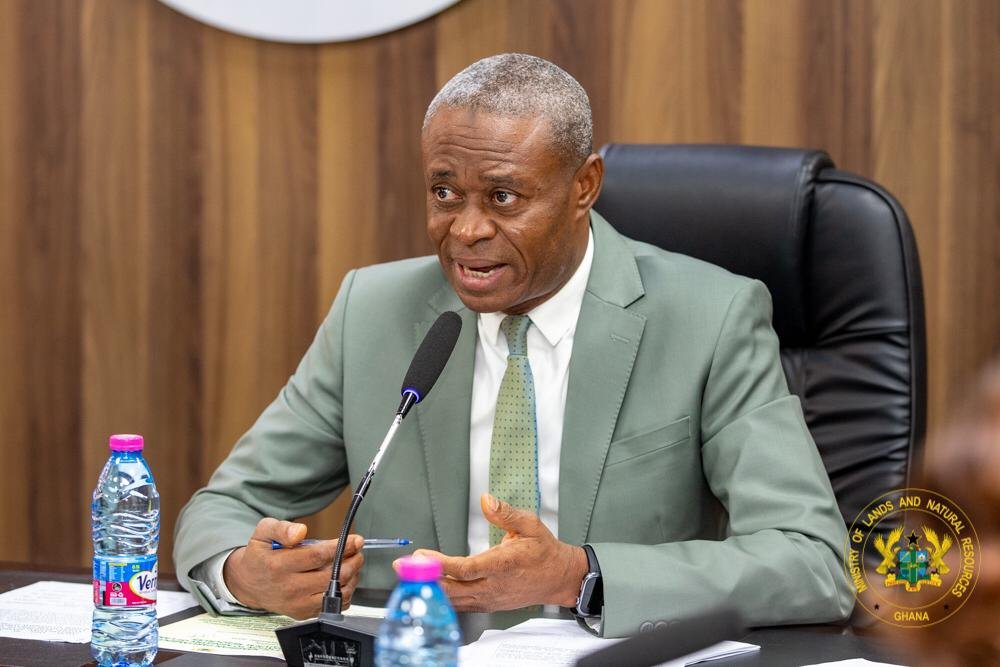
The engagement focused on a critical bottleneck in Ghana’s mineral landscape: the identification of mineralized zones within existing large-scale concessions that are technically or economically unsuitable for industrial-scale operations but highly viable for cooperative mining.
By carving out these areas, the rCOMSDEP initiative seeks to provide a legal and sustainable pathway for small-scale miners, effectively reducing the friction between community miners and large-scale companies.
This framework is designed to create sustainable livelihoods for thousands of youths while ensuring strict compliance with national environmental regulations.
“Our goal is to foster a symbiotic relationship where large-scale firms relinquish marginal lands to cooperatives, ensuring that no resource is left untapped and no community is left behind,” the Minister remarked.
Navigating the Challenges of Ghana’s Extractive Industry
Despite being Africa’s leading gold producer, Ghana’s mining sector faces multifaceted challenges that threaten its long-term viability.
The most pressing issue remains the proliferation of illegal mining, popularly known as “galamsey,” which has led to the severe pollution of major water bodies like the Pra and Ankobra rivers, alongside massive deforestation in protected forest reserves.
Furthermore, the industry is grappling with regulatory bottlenecks where the long wait times for small-scale licenses often push miners toward informality.
Infrastructure deficits in mining districts and the lack of access to affordable, mercury-free processing technology also hamper the transition to responsible practices.
These “systemic hurdles,” as industry experts describe them, have created an environment of mistrust between local communities and multinational mining firms.
The rCOMSDEP framework addresses these challenges by introducing a formal “skills development” component that moves beyond mere extraction.
By integrating vocational training and environmental reclamation protocols into the cooperative model, the government is tackling the “technological and educational gap” that often leads to land degradation.
This engagement serves as a bridge, allowing large-scale operators to provide mentorship and technical oversight to cooperatives. The impact of such a collaborative approach is expected to be profound, potentially increasing the domestic retention of mining wealth.
When cooperatives operate legally, they contribute to the national treasury through royalties and taxes, while simultaneously reducing the state’s expenditure on land reclamation and military-led anti-galamsey operations.
Strategic Impact: A New Era for Ghana’s Gold Coast
The successful implementation of rCOMSDEP stands to redefine Ghana’s economic trajectory by formalizing the artisanal sector, which currently accounts for nearly 40% of the nation’s total gold output.
By transitioning from “predatory mining to productive cooperation,” the country can enhance its Environmental, Social, and Governance (ESG) rating on the global stage, attracting more responsible foreign direct investment.
Economically, the move to empower cooperatives ensures that mineral wealth circulates more robustly within local economies, stimulating the growth of auxiliary industries such as equipment manufacturing and local jewelry production.
This “value-addition strategy” is central to the Ministry’s vision of a post-extraction economy that does not leave behind “ghost towns” but resilient, skilled communities.
Furthermore, the environmental impact of shifting to responsible cooperative mining cannot be overstated. With the Ministry’s new directive for cooperatives to adopt land-restoration plans as a prerequisite for operation, Ghana is poised to see a significant reduction in the “ecological footprint” of small-scale mining.
The partnership between the rCOMSDEP Secretariat and large-scale companies ensures that miners are equipped with the “knowledge and tools necessary to protect our water bodies and forests for future generations.”
As Hon. Sulemana Yusif noted, the integration of these stakeholders is the first step in a “multi–year roadmap” designed to restore the luster of the Gold Coast while ensuring that the benefits of the earth’s riches are shared equitably and mined with a conscience.
READ ALSO : IMF Approves US$385m After Reaching Staff-Level Agreement on Fifth Review