National Anti-Illegal Mining Operations Secretariat (NAIMOS) has disrupted a clandestine illegal mining activities along the Ankobrah River at Ayiem Juabo, located within the Amenfi Central District of the Western Region.
This tactical intervention, was the direct result of high-level intelligence reporting a surge in destructive “galamsey” activities that were causing catastrophic pollution to the river’s upstream segments.
By launching a precise nighttime strike, the Secretariat aimed to catch the perpetrators off-guard, effectively halting an operation that had been systematically degrading one of Ghana’s most vital hydrological assets.
“Our efforts are aimed at ensuring that rivers and natural habitats are safeguarded from galamsey activities that threaten both the environment and public health. We will maintain sustained pressure through both daytime and nighttime operations.”
NAIMOS

During the targeted night operation, seven suspected illegal miners were apprehended by the task force as they worked under the cover of darkness.
Among those arrested included Numbor Kwasi Musah, aged 16, and Benja Nakura Abdul-Wahid, aged 15, a discovery that has sparked fresh national concerns regarding the increasing involvement of minors in high-risk, unlawful extractive labor.
The other suspects, Kombate Indabre (20), Mawuli Boni (29), Justice Mensah (40), Bright Kwasi Nkrumah (35), and Kwabena Lambon (30), were detained alongside a significant cache of seized equipment, including nine water pumping machines, mining trays, and mobile phones.
All makeshift structures at the encampment were razed, and the machinery was transported to the NAIMOS headquarters in Accra to ensure it is permanently removed from the illegal supply chain.
Environmental Devastation and the Toxic Legacy of Ankobrah

The Ankobrah River, which flows for approximately 190 kilometers through the heart of the country’s Western Region, has long been the lifeblood of indigenous communities, providing water for domestic use, irrigation, and a once-thriving fishing industry.
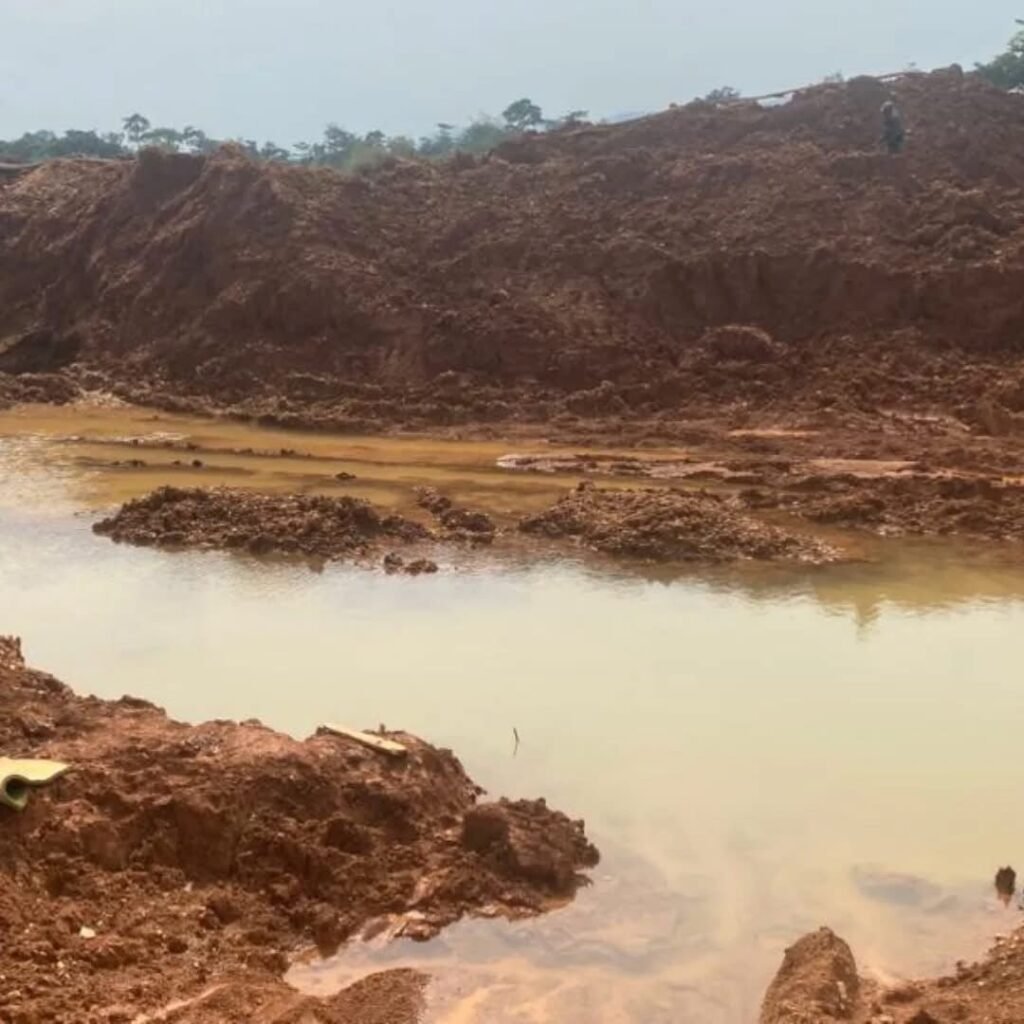
However, the relentless “galamsey” menace has transformed its pristine waters into a turbid, ochre-colored sludge, heavily contaminated with neurotoxic heavy metals such as mercury and lead.
Research indicates that mercury, used by these illegal operators to amalgamate gold, bioaccumulates in the aquatic food chain, posing severe long-term health risks including kidney damage and neurological disorders for the local populace.
The destruction of the riparian vegetation and the siltation of the riverbed have not only decimated fish populations but have also significantly increased the cost of water treatment for the Ghana Water Company, pushing the region toward a man-made water scarcity crisis.
Strategic Enforcement: A New Era of Resource Protection

This latest crackdown by NAIMOS represents a critical shift toward “intelligence-led” and “sustained” enforcement rather than the sporadic raids of the past.
By dismantling the operational infrastructure at Ayiem Juabo and arresting the financiers and laborers alike, the Secretariat is addressing the root of the “galamsey” ecosystem.
The deployment of permanent field officers to high-risk zones is a strategic move designed to drastically reduce response times and prevent miners from returning to sites once the task force departs.
This permanent presence acts as a powerful deterrent, signaling that the state has reclaimed its sovereign authority over forest reserves and water bodies.
For a nation that loses billions of dollars annually to environmental degradation, such decisive action is not merely an enforcement exercise but a necessary intervention to safeguard the economic and ecological future of the Western Region.
Institutional Resolve and the Path to Reclamation
The transition to 24-hour monitoring is a direct response to the “evasive tactics” adopted by modern illegal mining syndicates who frequently shift their operations to the night to avoid detection.
By hand-delivering the seven suspects to the Ayiem Juabo Police Station for immediate prosecution, NAIMOS is reinforcing the legal framework of the Minerals and Mining Act, ensuring that there is a tangible cost to environmental criminality.
Beyond the arrests, the Secretariat’s broader mandate includes the ambitious task of land reclamation and the restoration of polluted river systems to their original state.
This holistic approach combining “ruthless” enforcement with long-term ecological rehabilitation, is the only viable path to curbing a menace that has infiltrated 34 of Ghana’s forest reserves.
While NAIMOS intensifies its offensive, the message to illegal networks is clear: the era of operating with impunity under the veil of night is officially over.
READ ALSO: Ghana’s Economy Shows Steady Recovery with 3.8% Expansion in October, GSS Reports