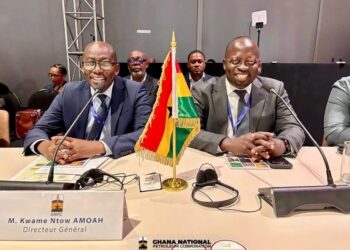
African national oil companies have signed a non-binding declaration to strengthen commercial cooperation, expand domestic refining capacity and coordinate energy development across the continent, with the Ghana National Petroleum Corporation (GNPC) among the signatories.
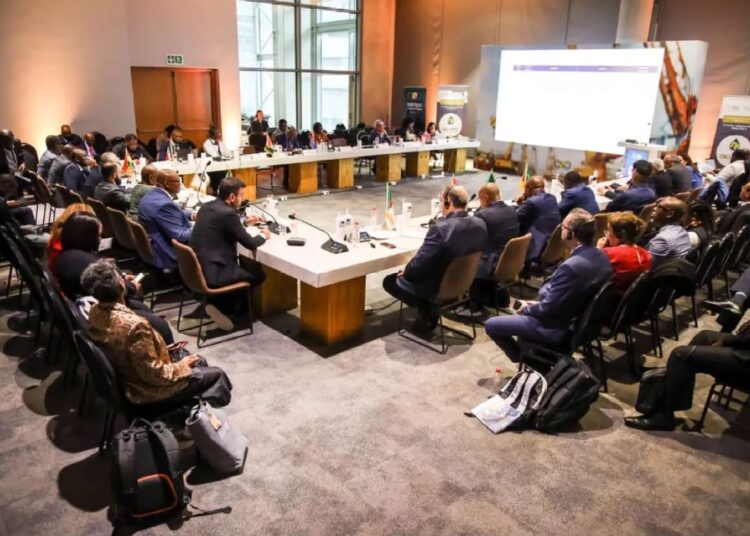
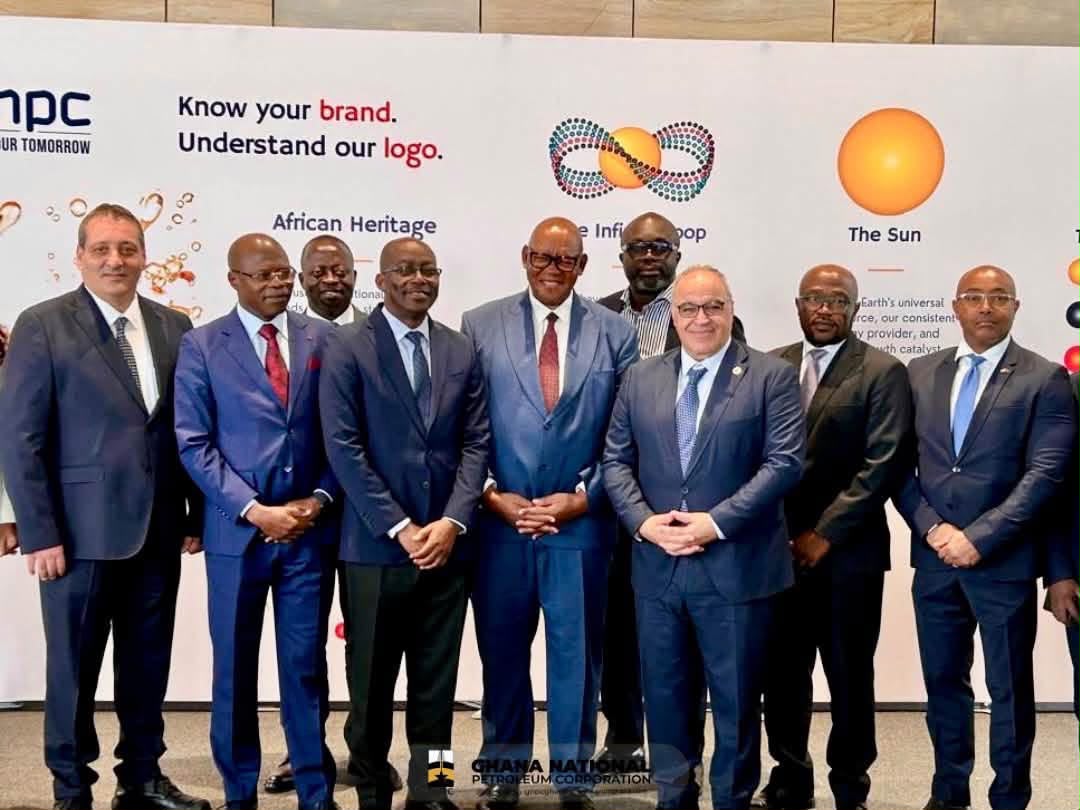
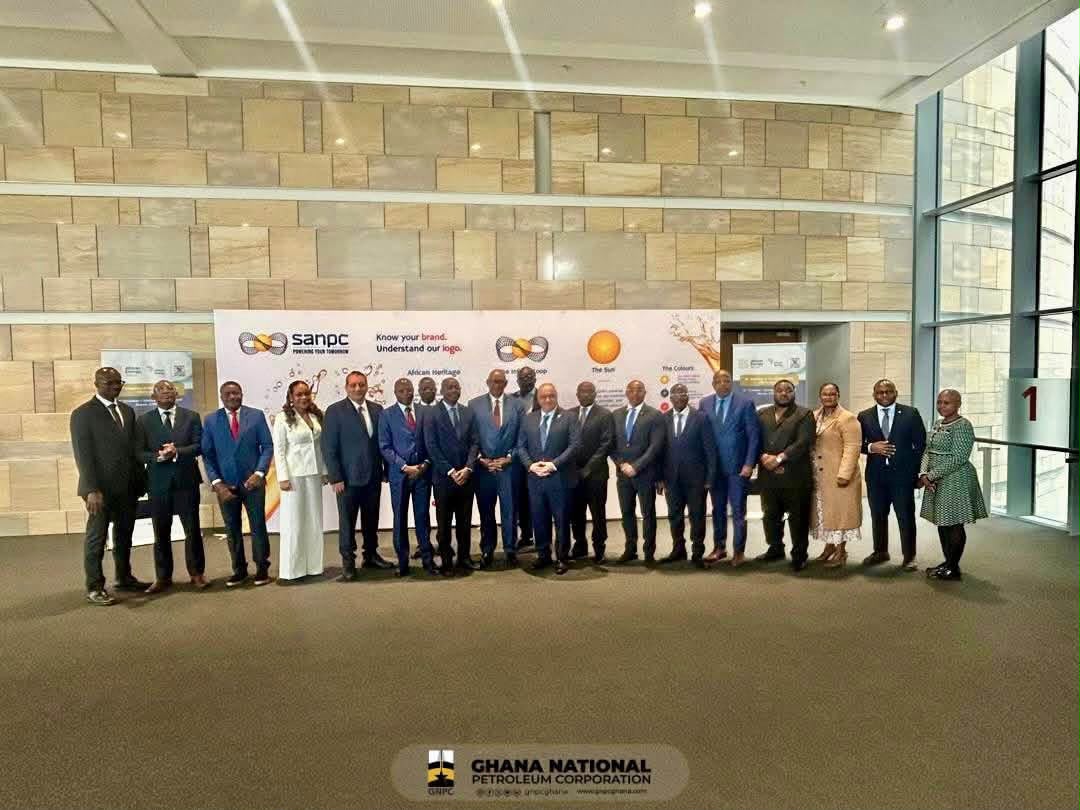
The Cape Town Declaration was signed on October 12, 2026, during the 8th Meeting of the African Petroleum Producers’ Organization (APPO) National Oil Companies (NOCs) CEOs Forum at African Energy Week (AEW) in Cape Town, South Africa.
The agreement establishes a framework for African state-owned petroleum companies to collaborate on crude oil and refined-product trading, refining infrastructure, technical expertise and workforce development, with the broader objective of strengthening energy security and reducing dependence on external supply chains.
For Ghana, the declaration creates a basis for deeper cooperation between GNPC and its continental counterparts, particularly in areas such as petroleum trading, domestic refining, technical capacity and regional energy integration.
However, the agreement is non-binding and does not, by itself, establish specific commercial contracts, investment commitments or implementation deadlines for individual companies.
Godfrey Moagi, Chief Executive Officer of the South African National Petroleum Company (SANPC) and newly appointed Chairman of the APPO NOCs CEOs Forum, oversaw the signing.
“This non-binding agreement is very encouraging, showcasing the expedience of the pace of our resolve to improve socioeconomic development in all our respective countries,”
Crude Trading And Refining At The Centre Of Cooperation
A central provision of the declaration is the commitment by participating NOCs to pursue direct commercial agreements for crude oil and refined petroleum products, subject to national legislation and competition rules.
The approach is intended to encourage African producers and state-owned energy companies to explore commercial relationships within the continent, potentially creating additional options for sourcing crude, exchanging refined products and coordinating supply arrangements.

For Ghana, this provision is relevant to efforts to expand domestic refining and reduce reliance on imported petroleum products.
Although the country produces crude oil, it continues to depend on international markets for a substantial share of its refined fuel requirements.
Greater commercial cooperation among African NOCs could create opportunities for GNPC to explore supply arrangements with other producers and national oil companies.
Such arrangements could become relevant as Ghana seeks to supply domestic refineries with crude and improve the coordination between local production and processing capacity.
However, the declaration does not guarantee that African crude will automatically be available to Ghanaian refineries at lower prices.
Commercial agreements would still depend on crude specifications, pricing, transportation costs, payment terms, refinery requirements and the legal frameworks governing individual transactions.
The same considerations would apply to refined-product trading. Regional cooperation could broaden commercial options, but its economic value would depend on whether transactions are competitive and reliable compared with alternative suppliers.
The declaration also calls for deeper domestic refining capacity and supports the African Refining Industry Upgrading Strategy Program and developments surrounding the African Refining Model.
For Ghana, where plans to expand refining capacity have become part of the broader energy-sector agenda, the commitment reinforces the importance of pairing infrastructure investment with reliable crude supply, operational efficiency and viable markets for refined products.
GNPC’s Role In A More Integrated African Energy Market
GNPC Chief Executive Officer Kwame Ntow Amoah signed the declaration alongside representatives of national petroleum companies from across Africa, including GEPetrol, SONAGAS GE, Sonatrach, Sonangol E&P, SNH-BENIN, SNH, SONAHYDROC SA and PETROCI Holding.
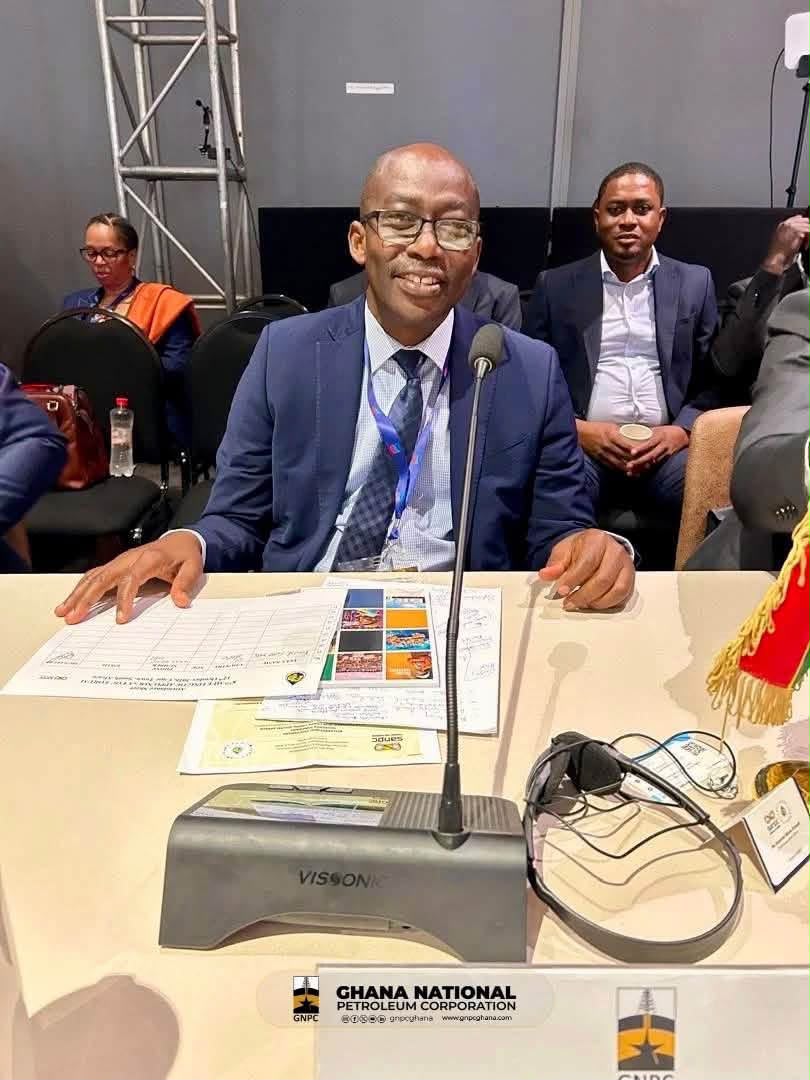
The participation of GNPC places Ghana within a framework intended to encourage greater collaboration among state-owned petroleum companies.
These companies can potentially cooperate not only as producers, but also as commercial partners in exploration, production, refining, marketing, training and research.
The declaration aligns the participating NOCs with APPO’s Long-Term Strategy 2050, which seeks to support the sustainable development of Africa’s energy resources and greater energy independence.
For Ghana, the practical opportunity will be to identify areas where cooperation with other NOCs can address specific domestic needs.
These could include sharing technical expertise, developing commercial relationships, strengthening local participation in petroleum operations and exploring opportunities for joint research.
The declaration also supports cross-border mobility for professionals between NOCs and training institutions. Such cooperation could help participating companies exchange technical knowledge and develop specialised skills, although the agreement does not specify the number of professionals to be trained or the resources that will be committed.
The signatories further endorsed secure digital platforms to improve data visibility, monitor local content and facilitate joint research.
An interactive African energy map was also supported as part of the effort to improve access to information across the continent’s energy industry.
For GNPC and Ghana’s wider petroleum sector, these initiatives could offer opportunities to improve access to technical information and strengthen collaboration with regional counterparts.
Their effectiveness, however, would depend on how the platforms are developed, funded, governed and adopted by participating companies.
African Energy Bank And Infrastructure Financing
Financing remains a key consideration in the declaration’s ambition to expand refining capacity and support wider energy infrastructure development.
The signatories welcomed operational steps towards implementing the Africa Energy Bank, which is intended to serve as a funding instrument for major energy projects.

The bank’s development is relevant to African countries seeking to mobilise capital for projects that may require substantial investment, including refining facilities, petroleum infrastructure and other energy assets.
The declaration’s support reflects the importance participating NOCs attach to establishing financing mechanisms that can help advance the continent’s energy ambitions.
For Ghana, access to suitable financing could be relevant to refining expansion, gas infrastructure and other projects linked to energy security.
Nevertheless, the declaration does not confirm that GNPC or any Ghanaian project has secured funding through the proposed institution.
The availability of financing would depend on the bank’s operational arrangements, investment criteria, capital resources and the commercial and technical viability of projects seeking support.
Consequently, the declaration’s financing objective should be distinguished from an actual investment decision.
The agreement provides a framework for cooperation and welcomes progress towards the bank’s implementation, but it does not announce a funding allocation to Ghana.
Energy Transition And Continued Hydrocarbon Development
The declaration also sets out a position on the energy transition, advocating an approach that reflects the economic and social circumstances of individual African countries.
It supports the responsible development of hydrocarbon resources alongside complementary emerging green energy solutions, rather than prescribing a uniform pathway for every participating country.
For Ghana, this framework is relevant because oil and gas continue to feature in the country’s energy and economic priorities, while the government also pursues a green transition.
The challenge is to manage these objectives in a way that supports reliable energy supply and economic development while addressing environmental responsibilities.
The declaration encourages international cooperation across upstream exploration and production, downstream refining and marketing, commercial trade and workforce training.
It also acknowledges a presentation by a visiting Venezuelan delegation, opening the possibility of exploring partnerships with international counterparts across the petroleum value chain.
These provisions create room for further dialogue, but the document does not identify specific projects arising from the Venezuelan presentation or confirm that new international agreements have been concluded.
From Continental Commitments To Practical Results
The Cape Town Declaration establishes a shared framework for African NOCs to pursue stronger commercial relationships, infrastructure investment and technical collaboration. Its significance for Ghana will depend on how GNPC and the other signatories turn those commitments into workable arrangements.
The non-binding nature of the agreement means that implementation will require further decisions by individual companies and, where necessary, approval under their respective national legal and regulatory systems.
Commercial cooperation must also account for competition rules and the financial realities of each proposed transaction.
For Ghana, the most immediate areas to watch are whether the declaration leads to new crude or refined-product supply agreements, practical collaboration on refining, access to technical expertise and participation in shared research or digital initiatives.
The declaration also confirmed that the ninth meeting of the APPO NOCs CEOs Forum will take place in 2027, with the venue and other arrangements to be finalised by member companies.
Ultimately, the agreement provides a platform for closer cooperation rather than a guarantee of lower fuel prices, new infrastructure or immediate investment.
Its value for Ghana and the wider continent will be determined by whether participating NOCs use the framework to develop commercially viable partnerships and strengthen the capacity to produce, process and trade energy resources within Africa.
READ ALSO: Former DR Congo President Takes Charge of Rebel Alliance