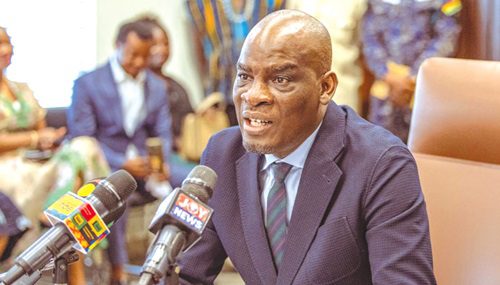
Education Minister and Tamale South Member of Parliament Haruna Iddrisu has announced a shift in the Mahama government’s education spending priorities towards foundational learning, with greater emphasis on literacy, numeracy and basic education infrastructure.
Speaking in a media interview on Tuesday, October 13, 2026, Hon Iddrisu cited figures from the 2025 Auditor General’s Report indicating that 10,730 schools across 13 regions lack classrooms, affecting approximately three million children.
He acknowledged the scale of the infrastructure deficit and argued that Ghana must strengthen basic education after years of concentrating significant resources on secondary education.
“The new policy drive of President Mahama for education delivery is to put emphasis on basic foundational learning of literacy and numeracy”.
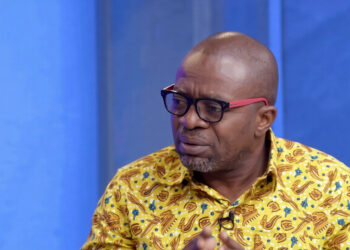
Education Minister and Tamale South Member of Parliament Haruna Iddrisu
The policy direction involves realigning education expenditure towards the early stages of learning, while addressing infrastructure gaps that continue to affect access to appropriate school facilities.
Mahama Government Prioritises Literacy and Numeracy
Hon Iddrisu explained that the government intends to place foundational learning at the centre of its education delivery strategy, with literacy and numeracy identified as key priorities.

He argued that the country’s spending pattern over the past decade had placed excessive emphasis on secondary education without giving sufficient attention to the foundation upon which pupils build their academic progress.
“In the last decade, we have spent all our money on secondary education. That’s wrong as a country,” he stated. The Minister referenced Japan, Singapore, the United Kingdom and the United States while making the case for greater investment in basic education.
His comments suggest that the government intends to reconsider how resources are distributed across the education system to improve the acquisition of essential skills at the early stages of schooling.
The proposed realignment comes amid continuing concerns about the availability of classrooms and the conditions in which many Ghanaian children receive basic education.
Hon Iddrisu maintained that foundational learning should receive greater attention in national education planning, rather than allowing investment in secondary education to overshadow the needs of younger pupils.
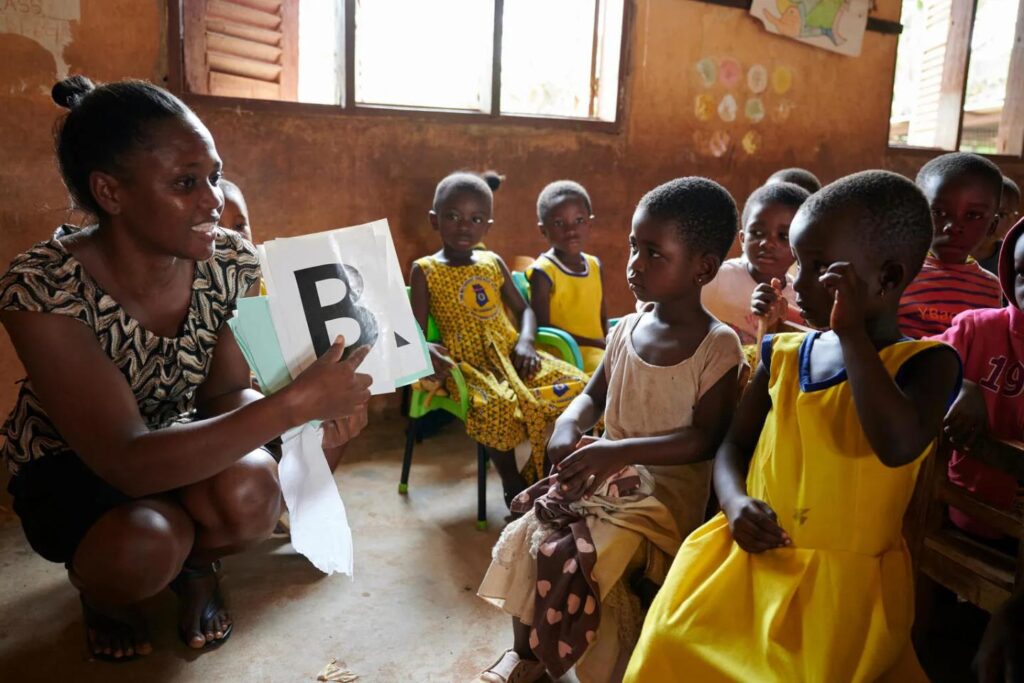
Auditor General’s Report Reveals Classroom Deficit
The Minister’s call for a spending shift comes against the backdrop of a substantial classroom shortage highlighted in the figures he attributed to the 2025 Auditor General’s Report.
According to Hon Iddrisu, 10,730 schools in 13 regions lack classrooms, affecting an estimated three million children. He described the situation as evidence of the infrastructure challenges confronting education delivery in the country.
“The Auditor General in the 2025 Auditor General Report even reveals a more worrying situation when it reports that in 13 regions of Ghana and in 10,730 schools, affecting 3 million children, are without classrooms in the country.”
Education Minister and Tamale South Member of Parliament Haruna Iddrisu
The reported figures point to the scale of the facilities gap facing basic education. However, the Minister did not provide a regional breakdown of the affected schools or explain how the reported shortages are distributed among communities.
He identified infrastructure investment as a priority in addressing the problem. “So one, we need to invest in infrastructure,” he stated.
Expanding access to suitable classrooms will be an important consideration in the government’s efforts to strengthen foundational learning. The extent to which the proposed spending realignment addresses the deficit will depend on the resources committed and the implementation measures adopted.
Iddrisu Questions Ghana’s Education Spending Priorities
Hon. Iddrisu linked the need to strengthen basic education to Ghana’s constitutional commitment to universal basic education, arguing that the country must address gaps at the foundational level while pursuing broader education policy objectives.
During the interview, he agreed with the interviewer’s observation that foundational education had been neglected and questioned the sequencing of national education commitments.
“The constitution even pledged a free composite universal basic education. You haven’t achieved FCUBE and you are promising free secondary education. How is that possible?”.
Education Minister and Tamale South Member of Parliament Haruna Iddrisu
His comments referred to Free Compulsory Universal Basic Education, commonly known as FCUBE, and raised questions about whether the country’s commitment to universal basic education has been matched by adequate infrastructure and funding.

The Minister’s argument was that Ghana must strengthen the foundation of its education system rather than concentrate resources on secondary education while basic-level challenges persist.
His remarks did not amount to a rejection of secondary education investment. Instead, they emphasised the need to rebalance priorities so that children can access appropriate facilities and acquire essential skills before progressing to higher levels of schooling.
Desk Deficit and Digital Divide Also Require Attention
Beyond classroom shortages and foundational learning, Hon Iddrisu acknowledged other challenges affecting education delivery, including the desk deficit and the digital divide.
He indicated that he would address those issues separately during the interview, suggesting that the infrastructure challenge extends beyond the availability of classrooms.
The desk deficit raises questions about whether pupils have adequate furniture for learning, while the digital divide points to differences in access to digital tools and resources. Both issues form part of the wider discussion about the conditions needed to improve educational access and learning outcomes.
However, Hon Iddrisu did not provide specific figures on the number of desks required, the extent of digital access gaps or the funding allocated to address these challenges in his remarks.
He maintained that he was aware of the infrastructure deficit and the difficulties confronting the sector. “So I’m adequately aware of this deficit, and I’m aware of this challenge,” he stated.

The government’s proposed shift towards foundational learning will therefore face scrutiny over how it translates into improved literacy and numeracy, expanded classroom access and more balanced education spending.
While the Minister has outlined the policy direction, the remarks did not specify a timeline, budget allocation or implementation framework for closing the reported classroom gap. These details will be important in assessing how the government intends to translate its priorities into tangible improvements for basic education.
READ ALSO: CSOs Commend Gov’t for Suspending Offshore Gold Reconnaissance Activities