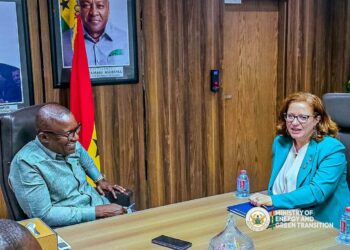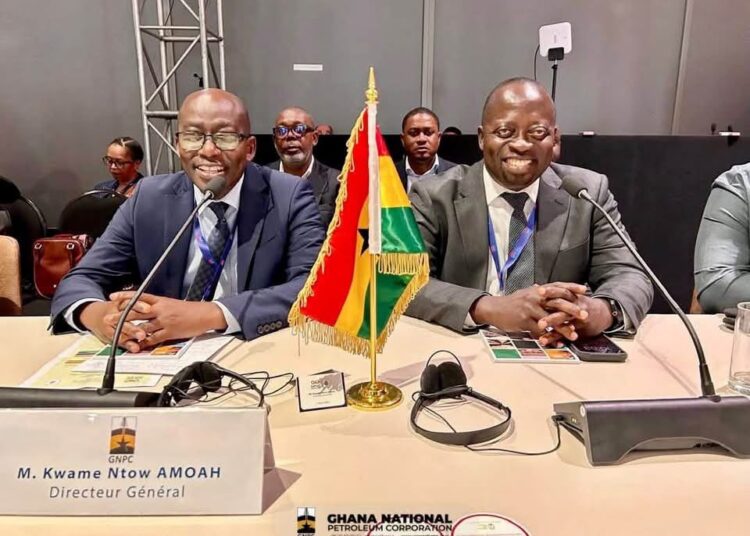
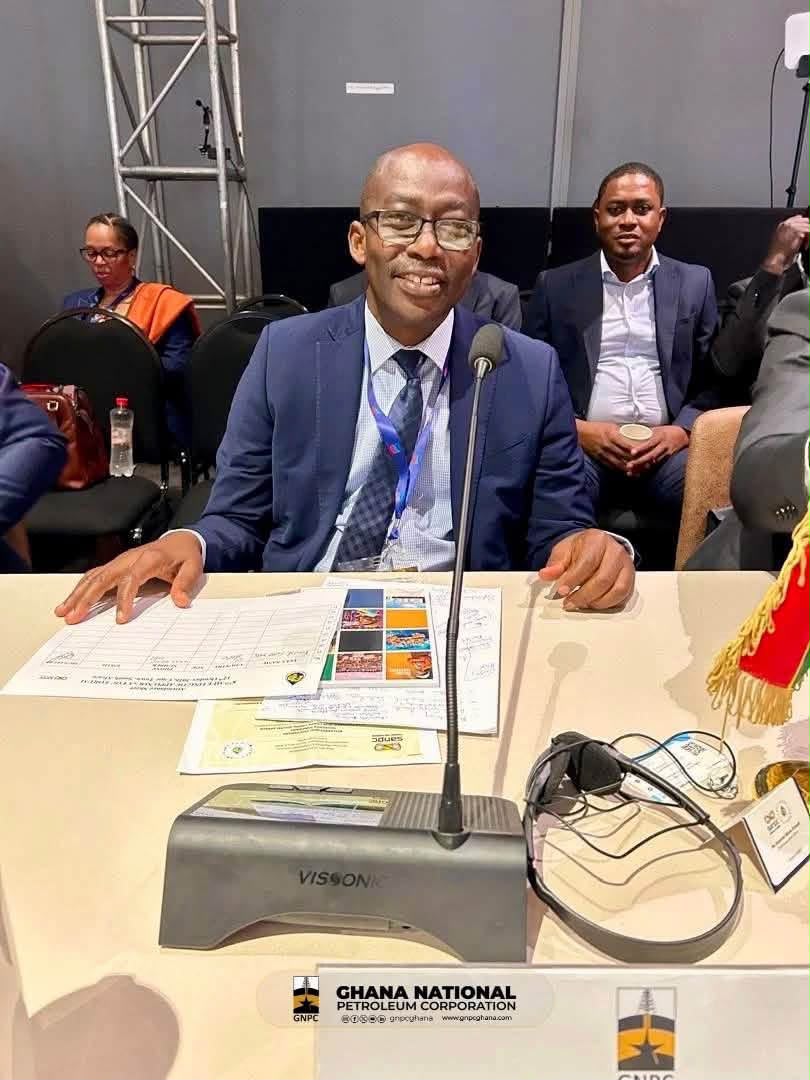
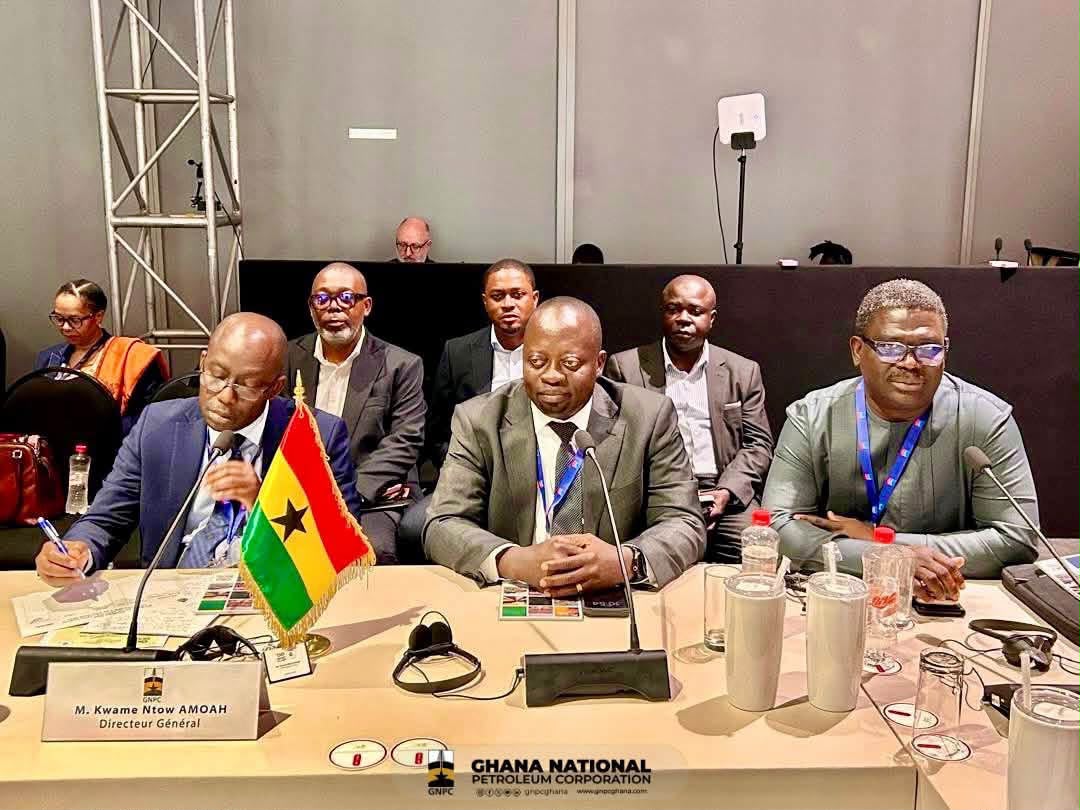
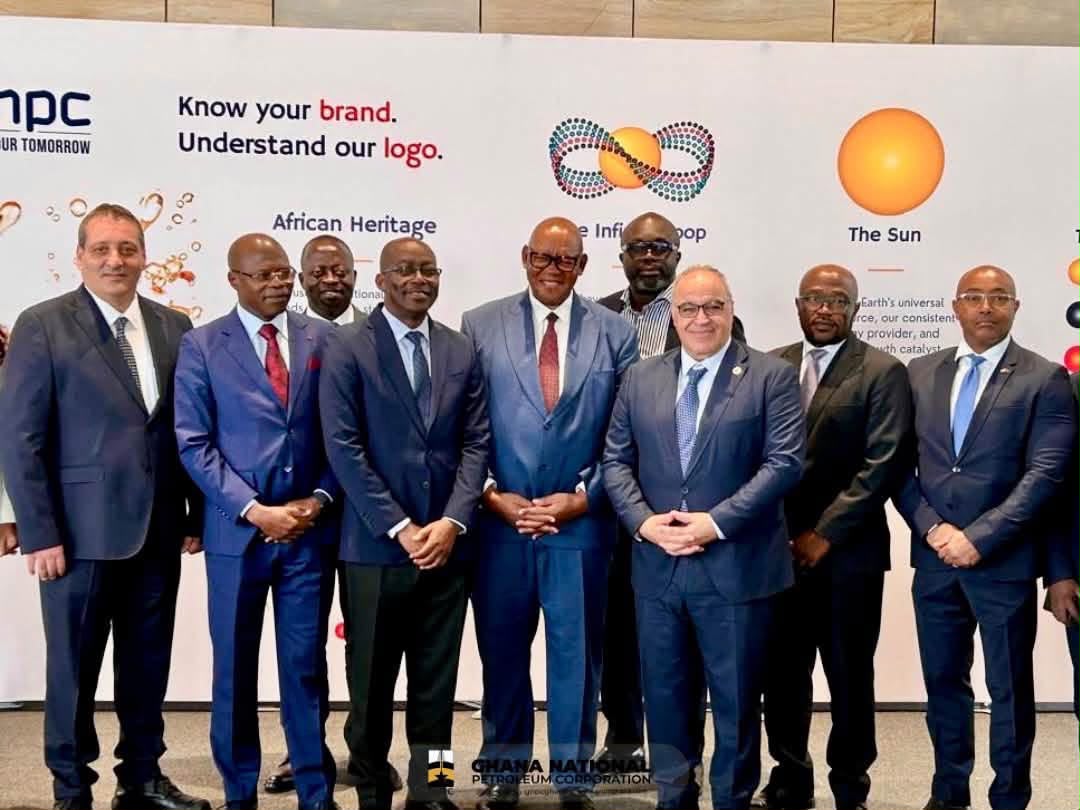
Ghana National Petroleum Corporation (GNPC) Chief Executive Kwame Ntow Amoah has urged African national oil companies to move beyond policy declarations and institutional agreements towards commercially viable projects, as he handed over the chairmanship of the African Petroleum Producers’ Organization (APPO) NOCs CEOs Forum to South African National Petroleum Company (SANPC) Chief Executive Godfrey Moagi.
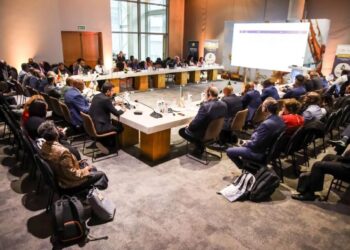
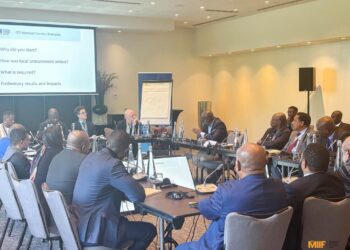
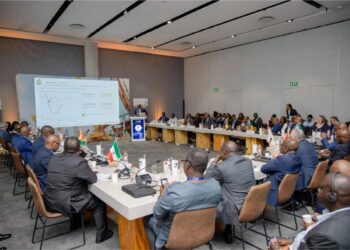
The handover took place at the forum’s eighth meeting in Cape Town, South Africa, marking the end of Amoah’s tenure as chairman after a year in which he pushed for stronger cooperation among African state-owned petroleum companies on financing, technical capacity, investment and the energy transition.
His central message was that progress in continental energy cooperation must be measured by what participating institutions actually deliver, rather than by the number of agreements or initiatives announced.
“A headquarters handover is not yet a functioning bank. A new platform is not yet a pipeline of contracts. An agreement is not yet an operating project. We should celebrate progress while remaining disciplined about implementation and measurable results,”
Ghana National Petroleum Corporation (GNPC) Chief Executive Kwame Ntow Amoah
The remarks place implementation at the centre of the agenda facing African NOCs, which are expected to play a role in developing petroleum resources, expanding infrastructure and strengthening energy security while operating within different national regulatory and commercial environments.
For Ghana, the message is particularly relevant as GNPC pursues cooperation with other African petroleum companies and the continent advances initiatives intended to improve access to financing, deepen local participation and strengthen the capacity to develop energy infrastructure.
Africa Energy Bank And Investment Delivery
Amoah highlighted progress towards operationalising the Africa Energy Bank, which is being developed through a partnership between APPO and the African Export-Import Bank (Afreximbank).
The proposed institution is intended to improve access to financing for viable African oil, gas and energy infrastructure projects.
Its development responds to a central challenge for energy-producing countries: turning investment proposals into projects that can secure financing and proceed to implementation.
For Ghana, access to appropriate financing is relevant to the development of petroleum infrastructure, natural gas facilities and other energy projects that require substantial capital.
However, the bank’s establishment and operational capacity will be important determinants of whether it can provide practical support to projects proposed by GNPC and other African NOCs.
Amoah’s remarks underscored the distinction between institutional progress and the availability of finance for actual projects.
Establishing a bank or agreeing on a financing framework does not automatically mean that companies have access to capital or that projects are ready for construction.
He encouraged the forum to prioritise bankable investment opportunities, company-to-company cooperation in infrastructure and technical development, and mechanisms for tracking progress on agreed initiatives.
That approach places responsibility on participating companies to identify commercially sound projects, establish workable partnerships and demonstrate measurable results.
For GNPC, it also highlights the importance of linking continental cooperation to specific investment and operational priorities.
GNPC Pushes For Stronger African Cooperation
Amoah’s chairmanship followed the seventh APPO NOCs CEOs Forum, hosted by GNPC in Accra in September 2025.
At that meeting, he called on African NOCs to pool their expertise and resources to address common challenges and support the development of the continent’s petroleum industry.
Although the companies operate under different circumstances, Amoah argued that their shared interests create opportunities for collaboration in investment mobilisation, indigenous capacity development and infrastructure.
He reiterated the need for African institutions and expertise to play a central role in shaping the continent’s energy future.
“Africa’s energy future must be led by African voices, African institutions, and strong African resolve,” he said.
The statement reflects the forum’s wider objective of strengthening African participation across the petroleum value chain. Such cooperation could involve technical knowledge exchange, workforce development, research, infrastructure partnerships and commercial arrangements between national oil companies.
For Ghana, these areas offer potential avenues for GNPC to deepen its relationships with regional counterparts, including SANPC and Algeria’s Sonatrach.
The corporation has pursued cooperation with both institutions in technical knowledge exchange, institutional capacity development and other areas of mutual interest.
The practical value of these relationships will depend on whether they lead to structured programmes, shared technical capabilities or commercially viable projects.
The source statement did not identify new contracts or investment commitments arising from these relationships at the Cape Town meeting.
Local Content And Technical Capacity
Amoah also highlighted efforts to deepen African participation in the petroleum value chain, including the establishment of a pan-African local content platform and stronger cooperation in research, technology and technical capacity development.
Local content remains an important issue for resource-producing countries seeking to ensure that petroleum activity creates opportunities for domestic companies and workers.

Cooperation between NOCs could help participating countries exchange experience in developing local suppliers, strengthening technical skills and improving the ability of indigenous firms to participate in complex projects.
For Ghana, such collaboration could complement efforts to build domestic expertise and improve the participation of Ghanaian companies in petroleum-sector activities.
However, the extent of the benefit would depend on the design of the initiatives, the resources allocated to them and whether participating firms gain access to meaningful commercial opportunities.
Amoah’s call for implementation also raises the question of how progress under a pan-African platform would be measured. Clear indicators, reporting arrangements and accountability mechanisms would help distinguish the creation of an initiative from actual improvements in local enterprise participation and technical capability.
The same principle applies to research and technology cooperation. Shared programmes could provide opportunities to develop expertise and exchange knowledge, but their impact would need to be demonstrated through practical outcomes.
Energy Transition Must Reflect African Needs
The outgoing chairman also reiterated the importance of balancing environmental responsibilities with Africa’s development priorities, particularly the need for reliable and affordable energy to support industrialisation, employment and economic growth.
His position recognises the different economic and energy circumstances of African countries while maintaining that petroleum resource development should deliver greater value to national economies.
For Ghana, the issue involves managing the role of oil and gas in energy supply and economic activity while advancing the government’s green transition priorities.
Cooperation among African NOCs could support knowledge-sharing and technical development, but individual countries would still need to determine how such cooperation aligns with their national policies, investment needs and environmental obligations.
Amoah maintained that African NOCs must strengthen their commercial and operational capabilities to ensure petroleum resources contribute more effectively to economic development.
That objective goes beyond production volumes. It also involves the ability to finance projects, manage assets efficiently, develop domestic expertise and establish partnerships that create lasting economic value.
Moagi Takes Over As Forum Chairman
Moagi assumes leadership of the APPO NOCs CEOs Forum as it continues to pursue cooperation among national oil companies on energy security, investment and institutional capacity development.
Congratulating his successor, Amoah expressed confidence in Moagi’s leadership and reaffirmed GNPC’s commitment to supporting the forum’s work.
He also thanked the APPO Secretariat, SANPC leadership and fellow chief executives for their cooperation during his tenure.
The forum provides a platform for leaders of African national oil companies to exchange experiences, identify opportunities for collaboration and advance common priorities in petroleum development and energy security.
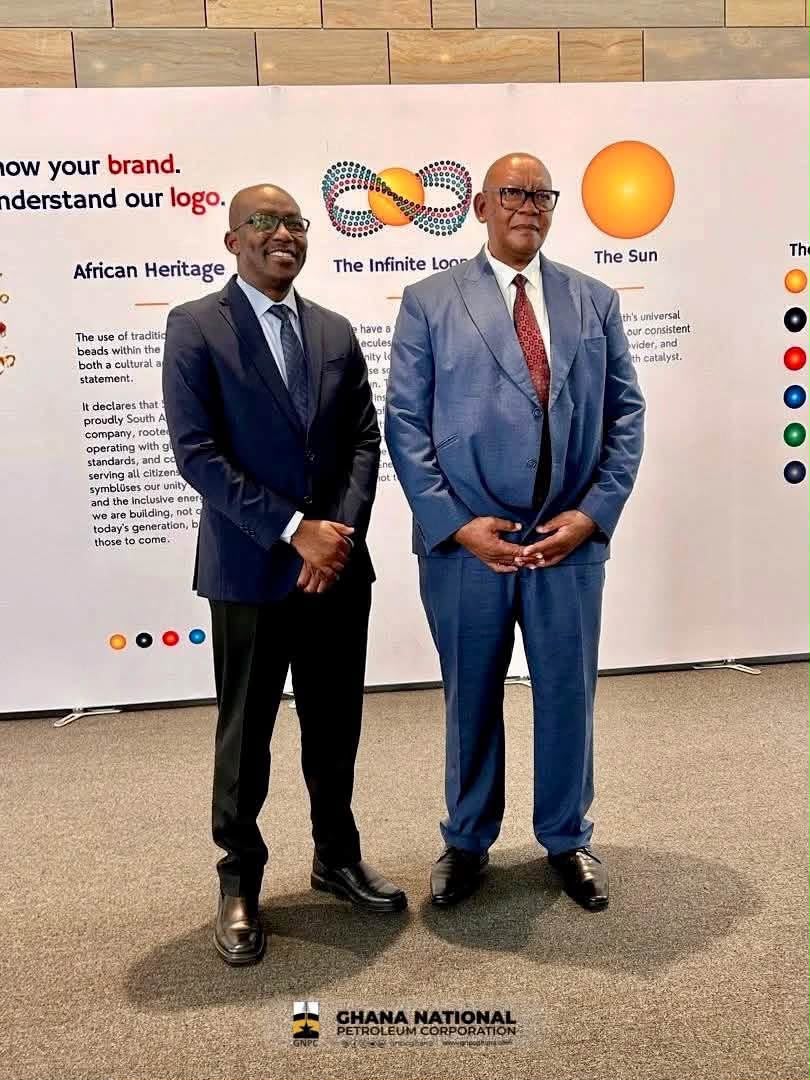
For Ghana, the transition represents continuity in a cooperation agenda that GNPC helped advance during Amoah’s chairmanship.
The more consequential test, however, will be whether the forum can convert shared priorities into projects with defined responsibilities, credible financing and measurable outcomes.
Amoah’s closing message was direct: Africa’s energy institutions must demonstrate that cooperation can produce results.
As the forum moves under new leadership, the progress of the Africa Energy Bank, local content initiatives, technical partnerships and commercially viable projects will provide practical measures against which that ambition can be assessed.
READ ALSO: Foreign Lending Risks Trigger Fresh BoG Warning to Banks