Professor Rufai Haruna Kilu, an Associate Professor at the University of Professional Studies, Accra (UPSA), has described the landmark agreement between the Ghana Gold Board (GoldBod) and Gold Coast Refinery Ltd as a transformative strategic intervention rather than a mere business transaction.
This groundbreaking deal, which facilitates the refining of one tonne (1,000 kilograms) of gold every week, marks a decisive shift from Ghana’s historical reliance on exporting unrefined bullion to establishing a robust, integrated domestic value chain.
By processing gold within its borders, the nation is positioned to retain a significant portion of its mineral wealth, fostering economic sovereignty and creating a sustainable industrial ecosystem that aligns with long-term national development goals.
“The Gold Board and Gold Coast Refinery agreement is more than a commercial arrangement; it is a strategic intervention to transform Ghana’s gold industry. By delivering socioeconomic benefits, promoting gender inclusion and embedding sustainability into operations, the initiative positions Ghana to move decisively from raw gold exporter to value-adding industrial player.”
Professor Rufai Haruna Kilu,

The partnership represents a major milestone in value addition, enabling Ghana to save millions of dollars in refining fees previously paid to foreign hubs in Dubai, Switzerland, and India.
Beyond the fiscal benefits, this agreement is a catalyst for a “24-hour economy,” as the refinery’s continuous operations will spark a multi-sectoral boom in logistics, security, energy distribution, and financial services.

Furthermore, by securing a 15% free carried interest for the state, the deal ensures that the Ghanaian people are direct stakeholders in the refining process.
This model also provides a formalized, transparent pathway for artisanal and small-scale miners (ASM) to integrate into the formal economy, effectively curbing illegal mining activities (galamsey) while improving traceability and national revenue.
Championing Gender Equity and Skill Transfer

Prof. Kilu highlighted that the refinery model offers a “fantastic chance to push for greater gender inclusion” in a sector traditionally dominated by masculinity and male-centered extraction.
The move toward industrial refining creates diverse roles in quality assurance, environmental management, and finance technical and administrative fields where women can excel and ascend to leadership positions.
Additionally, the deal fosters an environment of “equal pay for equal work” and provides maternity protections, setting a new benchmark for gender-responsive industrial growth.
This evolution is supported by intentional policies for mentorship and skills transfer, ensuring that Ghanaian technicians and metallurgists master modern refining techniques to reduce long-term reliance on foreign expertise.
Embedding Sustainability into the Extractive Value Chain
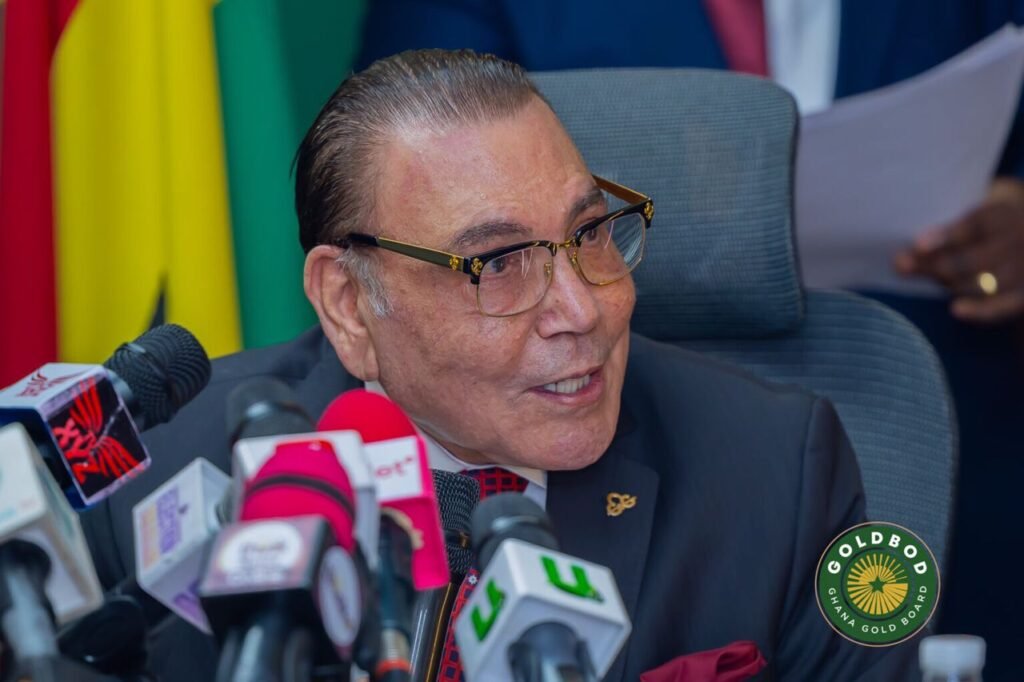
Sustainability serves as the “central pillar” of the Gold Board and Gold Coast Refinery partnership, balancing economic prosperity with rigorous environmental and social responsibility.
Prof. Kilu notes that the adoption of modern refining technology will significantly reduce emissions and improve energy efficiency, ensuring compliance with Environmental Protection Agency (EPA) standards.
Socially, the agreement reinforces responsible mining practices by sourcing through transparent and traceable channels, which “supports responsible mining practices and discourages illegal mining.”
By prioritizing community engagement and local procurement, the refinery ensures that the benefits of Ghana’s “Gold for Growth” agenda are shared equitably across host communities and the broader populace.
Driving a 24-Hour Industrial Economy

The gold refining agreement aligns seamlessly with the national goal of establishing a 24-hour economy, creating a “shining example” of continuous industrial productivity.
To maintain the weekly output of 1,000 kilograms, the facility will operate with multiple shifts and sophisticated supply chain management, driving demand for ancillary services such as transportation, catering, and banking.
Prof. Kilu concludes that this strategic shift from being a raw exporter to a value-adding industrial powerhouse is the key to unlocking “shared prosperity today and for generations to come.”
The consistent refining volumes provide the predictability needed to encourage further downstream innovation, potentially paving the way for a thriving local jewelry and bullion trading industry.
READ ALSO : Government Completes 3 Major Coastal Protection Projects Nationwide