The financial exposure of the Ghana Cocoa Board arising from cocoa road commitments has been significantly reduced from GH¢21.7 billion to GH¢4.35 billion, following a comprehensive rationalisation exercise supervised by the Ministry of Finance.
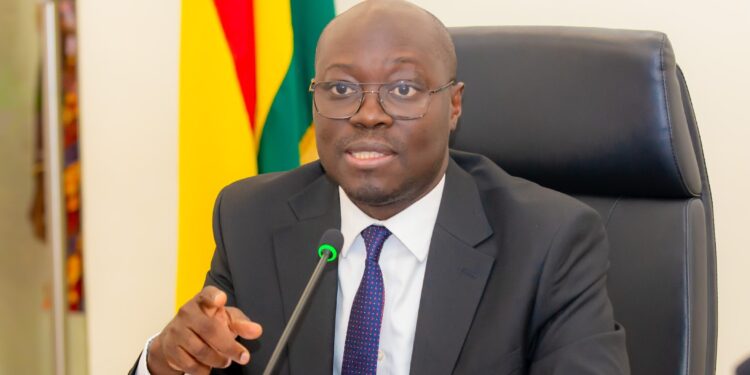
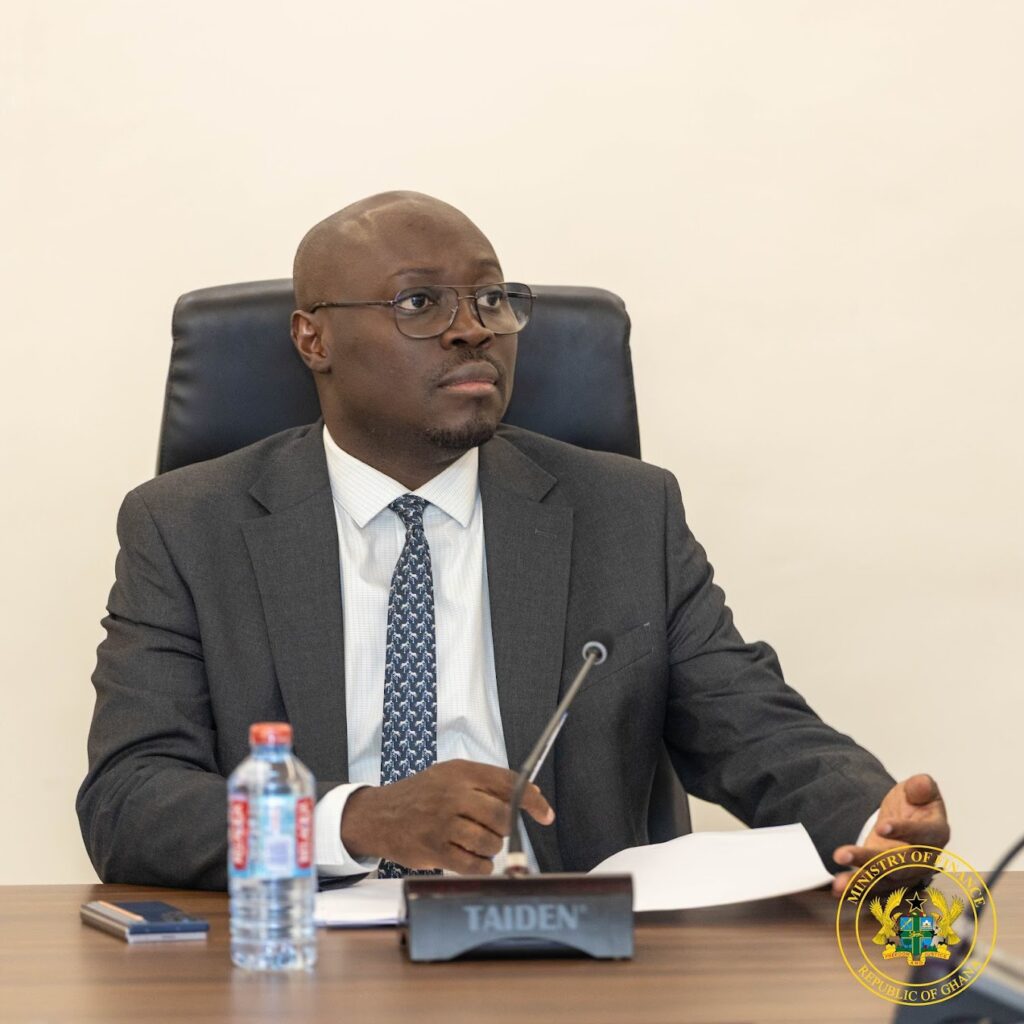
The Minister for Finance, Dr Cassiel Ato Forson, announced the development during a special address after an emergency Cabinet meeting held to address the inherited financial challenges confronting COCOBOD.
Dr Forson said the reduction marks a major step in restoring financial discipline and sustainability to the cocoa sector, which has been under severe strain in recent years due largely to mounting debts and non core expenditures.
He noted that Cabinet’s decisions form part of a broader strategy to stabilise COCOBOD’s balance sheet and rebuild confidence among farmers, financiers and international partners.
Rationalising Cocoa Road Liabilities
Between 2014 and 2024, COCOBOD awarded cocoa road contracts valued at up to GH¢26.5 billion. A substantial portion of these commitments, amounting to GH¢21.5 billion, was incurred during the 2018/19, 2019/20 and 2020/21 crop years.
Cabinet observed that the scale of these road contracts far exceeded COCOBOD’s core mandate and significantly contributed to its financial difficulties. Under the IMF programme agreed in 2023, COCOBOD was required to rationalise its cocoa road commitments from GH¢21.7 billion to GH¢6.9 billion.

However, the previous board and management failed to undertake the exercise, leaving the exposure intact and worsening the institution’s financial position. Following the change in administration, the Ministry of Roads and Highways and COCOBOD jointly carried out the rationalisation exercise under the direct supervision of the Ministry of Finance.
Upon completion, the total exposure on cocoa roads was reduced dramatically to GH¢4.35 billion, representing a substantial fiscal correction. Cabinet has now directed that the remaining cocoa road liability of GH¢4.35 billion be transferred to the Ministry of Roads and Highways.
Dr. Forson explained that the Cabinet acknowledged road construction as a major source of COCOBOD’s financial distress and agreed that such liabilities should properly fall under the roads sector rather than the cocoa regulator.
The transfer is expected to ease the pressure on COCOBOD’s finances and allow the institution to focus on its primary responsibilities of cocoa production, purchasing, marketing and farmer welfare. According to the Finance Minister, removing these liabilities from COCOBOD’s books is essential to restoring operational stability and credibility.
To ensure continued development of infrastructure in cocoa growing areas without burdening COCOBOD, government has secured a 500 million United States dollar World Bank facility, as announced in the 2026 Budget. The facility will finance the construction of agricultural roads nationwide, including those serving cocoa-producing communities.
Dr Forson said this approach ensures that essential road infrastructure is delivered while maintaining financial discipline within COCOBOD. He described the arrangement as a more transparent and sustainable way of funding rural roads that support agricultural productivity.
Addressing Legacy Debt Through Equity Conversion
Beyond cocoa roads, Cabinet has also directed the Minister for Finance to urgently seek Parliamentary approval to convert part of COCOBOD’s legacy debts into equity. The proposed conversion involves debts of about GH¢5 billion owed to the Ministry of Finance and the Bank of Ghana.
Currently, COCOBOD owes the Ministry of Finance GH¢3.7 billion, arising from the conversion of non marketable cocoa bills into a loan. In addition, the institution owes the Bank of Ghana a ten year loan of GH¢1.38 billion. Dr Forson said converting these debts into equity would restore positive equity to COCOBOD and strengthen its financial standing.
He added that the move is expected to boost confidence in both international and local markets, providing the support needed for COCOBOD to operate effectively and implement its new cocoa financing model.
The Finance Minister emphasised that the debt to equity conversion, together with the removal of cocoa road liabilities, will significantly strengthen COCOBOD’s balance sheet. This, he said, is critical to enabling the institution to finance cocoa purchases and manage related operations without resorting to unsustainable borrowing.
Dr Forson noted that past financial practices left COCOBOD vulnerable to liquidity shocks and undermined its ability to meet obligations to farmers and contractors. The current reforms, he stressed, are designed to break that cycle and put the institution on a more resilient footing.
Legal Reforms and Future Safeguards
As part of measures to prevent a recurrence of past problems, the Finance Minister recalled that the new COCOBOD Bill explicitly prohibits the institution from engaging in quasi fiscal expenditures and non core activities, including road construction.
The legislation is intended to enforce strict adherence to COCOBOD’s mandate and strengthen accountability. Cabinet agreed that legal safeguards are necessary to ensure that COCOBOD does not again accumulate liabilities unrelated to cocoa operations, which previously eroded its financial health.

The reduction of COCOBOD’s cocoa roads exposure from GH¢21.7 billion to GH¢4.35 billion represents one of the most significant financial corrections in the institution’s recent history. Government believes the reforms will restore confidence, improve governance and support the long term sustainability of Ghana’s cocoa sector.
As Parliament considers the proposed debt to equity conversion and the transfer of liabilities is implemented, attention will turn to how effectively COCOBOD leverages its strengthened balance sheet to support farmers and maintain Ghana’s position as a leading cocoa producer.
READ ALSO: Ghana Moves to Secure Post-IMF Stability