Ghana is positioning itself for a new chapter of economic governance as it prepares to exit its International Monetary Fund programme.
In a move aimed at safeguarding macroeconomic stability, the Government has announced plans to establish an Independent Fiscal Council to strengthen domestic financial oversight and discipline.
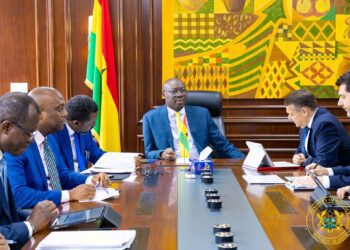
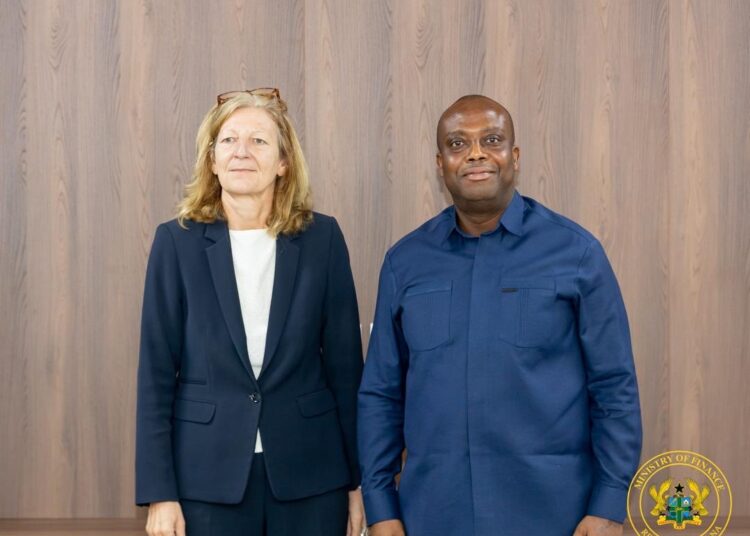
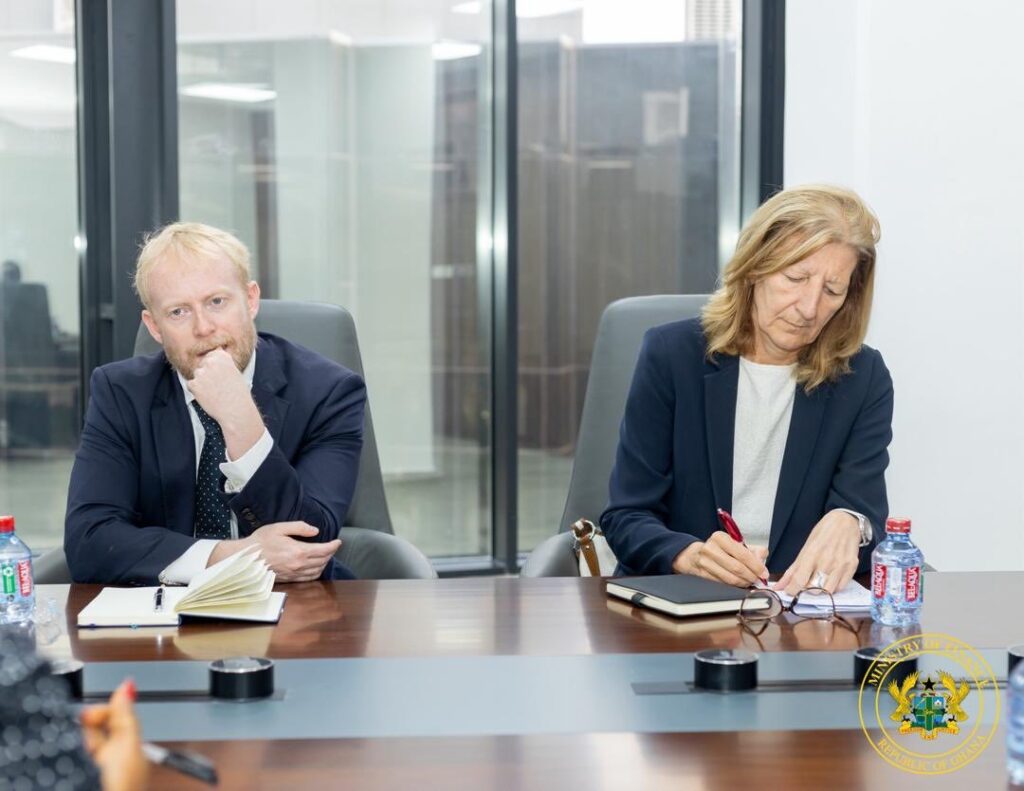
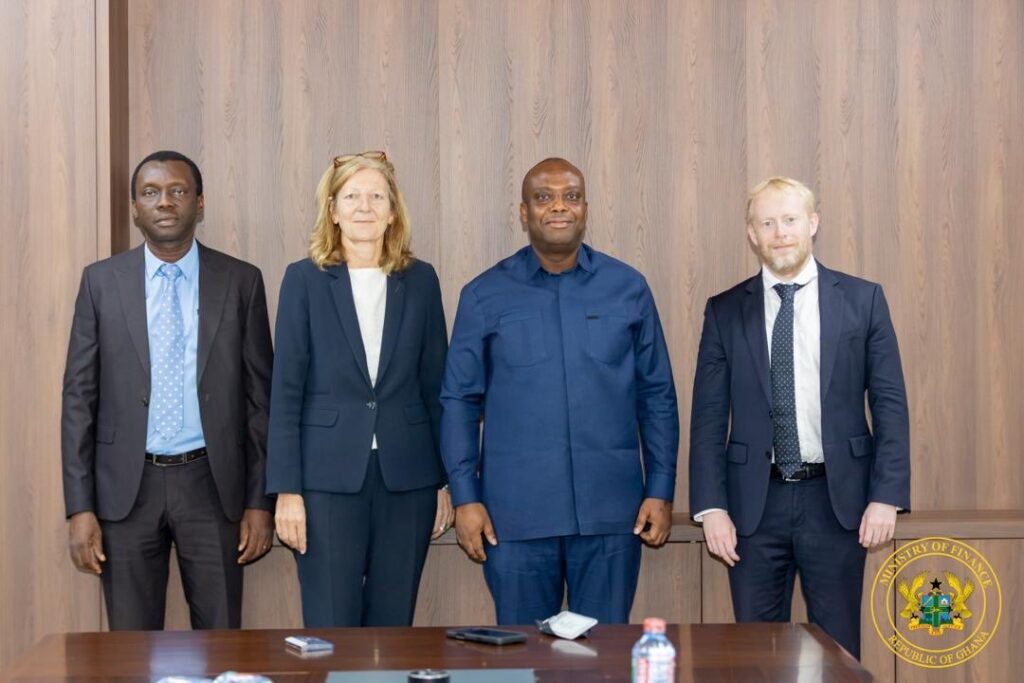
The announcement was made by the Deputy Minister Finance, Hon. Thomas Nyarko Ampem, during a courtesy call by the Head of Regional Economic Department of France for Nigeria and Ghana, Ms. Emmanuelle Boulestreau, and the Head of the French Economic Department at the French Embassy in Ghana, Mr. Julien Frioux. The meeting centered on deepening economic cooperation between Ghana and France, with particular focus on regional development and opportunities for mutual growth.
The proposed Independent Fiscal Council is expected to serve as a key institutional mechanism to reinforce fiscal responsibility once Ghana transitions from the IMF programme to full domestic oversight.
Strengthening Oversight After IMF Exit
Hon. Ampem disclosed that the council will be implemented after Ghana exits the IMF programme, reinforcing local ownership of the country’s fiscal management and safeguarding long-term economic stability. The establishment of the council reflects government’s intention to maintain discipline beyond the oversight structure provided by the Fund.
According to the Deputy Minister, the council will be made up of locally appointed members who will provide advisory support on financial controls and fiscal decision-making. Its primary role will be to ensure stronger domestic oversight and accountability in public financial management.
The move signals a strategic shift toward institutionalizing fiscal prudence within Ghana’s governance framework. Rather than relying solely on external conditionalities, the government aims to entrench internal systems that promote transparency and sustainability in economic management.
Economic Recovery Gains Momentum
Hon. Ampem expressed optimism about Ghana’s economic recovery, attributing the progress partly to international partnerships including support from France. He noted that IMF programme targets remain on track, inflation has declined to 3.8 percent, and key macroeconomic indicators are showing positive trends.
The decline in inflation represents a significant milestone for the economy, which faced considerable pressures in recent years. The improvement in macroeconomic indicators suggests that fiscal consolidation measures, monetary tightening and structural reforms are beginning to yield results.
He welcomed deeper collaboration between Ghana and France to sustain economic growth. The Deputy Minister emphasized that continued partnerships would be critical in consolidating the gains achieved under the IMF-supported programme.
The establishment of the Independent Fiscal Council is therefore not only a governance reform but also part of a broader effort to maintain investor confidence and policy credibility in the post-IMF era.
France Reaffirms Support for Ghana
During the meeting, Ms. Boulestreau reiterated France’s commitment to supporting Ghana’s economic development, particularly in the areas of infrastructure and energy. She highlighted the strong potential for French businesses to invest in Ghana’s expanding economy and contribute meaningfully to the country’s development agenda.
France has remained an important partner in Ghana’s development efforts, supporting projects across multiple sectors. The renewed engagement underscores confidence in Ghana’s reform trajectory and economic recovery process.
The discussions also focused on strengthening economic ties between the two countries, with emphasis on regional development initiatives and expanding opportunities for trade and investment.
With Ghana seeking to solidify its economic gains, partnerships such as those with France are expected to play a pivotal role in sustaining growth momentum and fostering job creation.

Building Long-Term Fiscal Discipline
The planned Independent Fiscal Council aligns with global best practices where independent institutions provide objective analysis and guidance on fiscal policy. Such councils typically monitor compliance with fiscal rules, assess budget projections and promote transparency in public finances.
By instituting a council composed of locally appointed experts, Ghana aims to deepen domestic accountability and ensure that fiscal discipline becomes embedded within national institutions.
The timing of the council’s implementation after the IMF programme signals the government’s commitment to maintaining reform momentum. It sends a strong message that fiscal prudence will not be temporary but rather a permanent feature of Ghana’s economic management strategy.
As the country prepares for life beyond IMF support, the success of the Independent Fiscal Council will depend on its independence, credibility and capacity to provide impartial advice. If effectively structured, it could serve as a stabilizing force that guards against fiscal slippages and enhances public trust in economic governance.
Ghana’s decision to set up an Independent Fiscal Council goes beyond a routine policy statement. It reflects a clear determination to protect the country’s stability after the IMF programme by strengthening local institutions, nurturing international partnerships, and reinforcing a culture of accountability in managing the economy.
With inflation easing, macroeconomic indicators improving and strategic collaborations deepening, the country appears poised to enter a more resilient phase of economic management anchored on transparency and long-term sustainability.
READ ALSO:Republic Verse Powers Ambitions Across Life Stages