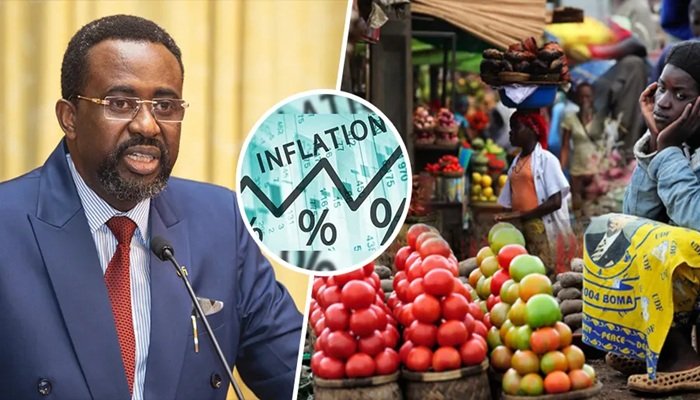
Ghana’s central bank faces renewed scrutiny as inflation, after reaching historic lows earlier in 2026, shows signs of picking up.
The Bank of Ghana (BoG) must balance support for economic growth with the need to anchor price stability. Recent data indicating a third consecutive monthly rise in headline inflation has heightened expectations ahead of the next Monetary Policy Committee (MPC) meeting.
Ghana achieved remarkable disinflation in 2025 and early 2026. Headline inflation plummeted from 23.8 percent in December 2024 to 5.4 percent by December 2025, and further to a low of around 3.2-3.3 percent in February-March 2026. This progress resulted from tight monetary policy, fiscal consolidation, cedi stability, and favorable food supply conditions.
The BoG responded with aggressive easing. Policymakers cut the Monetary Policy Rate (MPR) multiple times in 2025 and early 2026, bringing it down to 14 percent by March. This marked a significant shift from peak rates near 30 percent in prior years. By May 2026, the MPC held the rate steady at 14 percent after five consecutive cuts, signaling caution amid emerging risks.
In June 2026, inflation rose to 5.3 percent year-on-year from 3.7 percent in May. This uptick, driven primarily by non-food components such as transport, housing, and education services, along with modest food price pressures, marks the highest level since late 2025. While still far below 2025 levels, the rebound raises questions about the durability of recent gains.
Drivers of the Inflation Rebound
Several factors explain the current uptick. Unfavorable base effects play a key role as low inflation readings from mid-2025 drop out of the annual comparison. Seasonal food supply constraints have pushed food inflation higher, while global energy price volatility, partly linked to geopolitical tensions, affects transport and related costs.
Cedi performance remains critical. Any depreciation could amplify imported inflation through higher costs for fuel, raw materials, and consumer goods. Although reserves have improved and the current account shows strength from commodity exports like gold, oil, and cocoa, external shocks could test this resilience.
Fiscal developments also matter. Ghana has made strides in consolidation, narrowing deficits and stabilizing debt. However, any slippage, especially with election-related spending pressures in the past, could undermine credibility. Stronger domestic demand from lower interest rates supports growth but risks reigniting price pressures if supply capacity lags.
Core inflation measures, which strip out volatile items, have remained relatively subdued, suggesting underlying pressures are contained for now. Yet inflation expectations among businesses, consumers, and financial markets require close monitoring to prevent second-round effects such as wage-price spirals.
Growth Outlook and Policy Trade-offs
Ghana’s economy demonstrates resilience. First-quarter 2026 growth reached 6.4 percent, exceeding expectations, driven by services and consumption. Projections for full-year 2026 hover around 5 percent, supported by improved macroeconomic stability and commodity performance.
Lower borrowing costs have eased financing for firms and households, contributing to modest credit pickup. Real interest rates, though lower after easing, remain positive, providing some buffer. However, the central bank must weigh this against inflation risks. Premature or excessive easing could erode hard-won credibility, while prolonged high rates might stifle recovery in a high-debt environment.
The medium-term inflation target band of 6-10 percent, centered at 8 percent, offers flexibility. Current levels sit comfortably below this, but sustained rebound could push forecasts higher. Analysts anticipate inflation may average in the mid-single digits for 2026, with upside risks from energy and food.
Global Context and External Risks
Ghana operates in a challenging global environment. Geopolitical tensions, including conflicts affecting energy markets, commodity price swings, and potential shifts in global monetary policy, influence local conditions. Strong gold prices have provided export and reserve support, but volatility in oil and cocoa could swing either way.
Emerging markets generally face capital flow sensitivities. While Ghana has rebuilt buffers, renewed global risk aversion could pressure the cedi and imported inflation. Coordination between monetary and fiscal authorities remains essential for sustained stability.
Policy Options for the BoG
As the MPC prepares for its July meeting, options include holding the policy rate to assess further data, or a modest adjustment if risks materialize. Communication will be vital to guide expectations. Forward guidance emphasizing data-dependence can help anchor markets.
Tools beyond the policy rate, such as liquidity management, foreign exchange interventions, and macroprudential measures, offer additional levers. Strengthening transmission mechanisms to ensure rate changes affect lending and deposit rates effectively will enhance impact.
Structural reforms complement monetary efforts. Investing in agriculture for food security, diversifying exports, and improving productivity can reduce supply-side vulnerabilities. Fiscal discipline and public investment efficiency support overall stability.
Market and Stakeholder Implications
Financial markets watch BoG decisions closely. Bond yields, equity performance, and banking sector lending could react to policy signals. Businesses, particularly in import-dependent or rate-sensitive sectors, seek predictability for planning and investment.
Households benefit from lower inflation through improved purchasing power, but rebound risks could erode gains, especially for lower-income groups facing higher food and transport costs. Clear policy resolve can bolster confidence.
The current inflation rebound tests the BoG’s commitment to price stability without derailing growth momentum. Ghana has made substantial progress exiting crisis conditions, but vigilance is required to lock in gains.
Success depends on pragmatic, data-driven policy that addresses both cyclical pressures and structural weaknesses. By maintaining credibility through transparent communication and coordinated macroeconomic management, the BoG can navigate this phase effectively.
All eyes remain on the central bank. Its actions in coming months will shape not only near-term inflation and growth trajectories but also longer-term confidence in Ghana’s economic framework. Stakeholders from investors to everyday citizens await signals of continued policy prudence amid evolving challenges.
READ ALSO: Ghana Looks to Waste-to-Energy to Tackle Two Challenges at Once