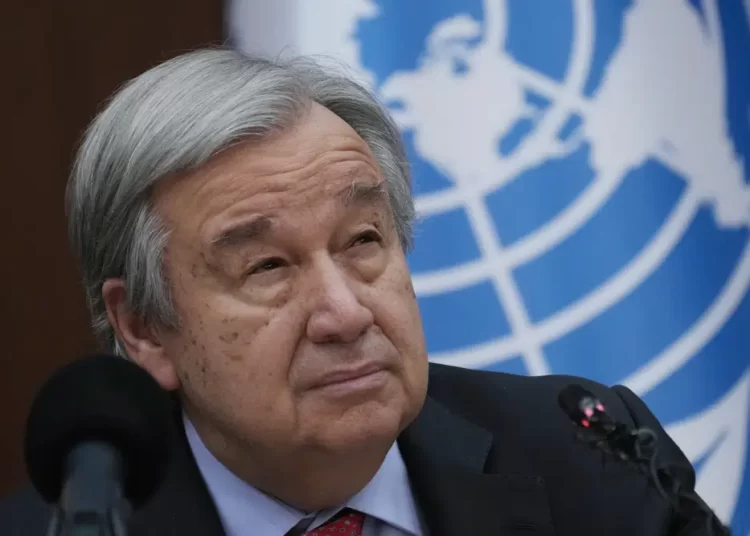
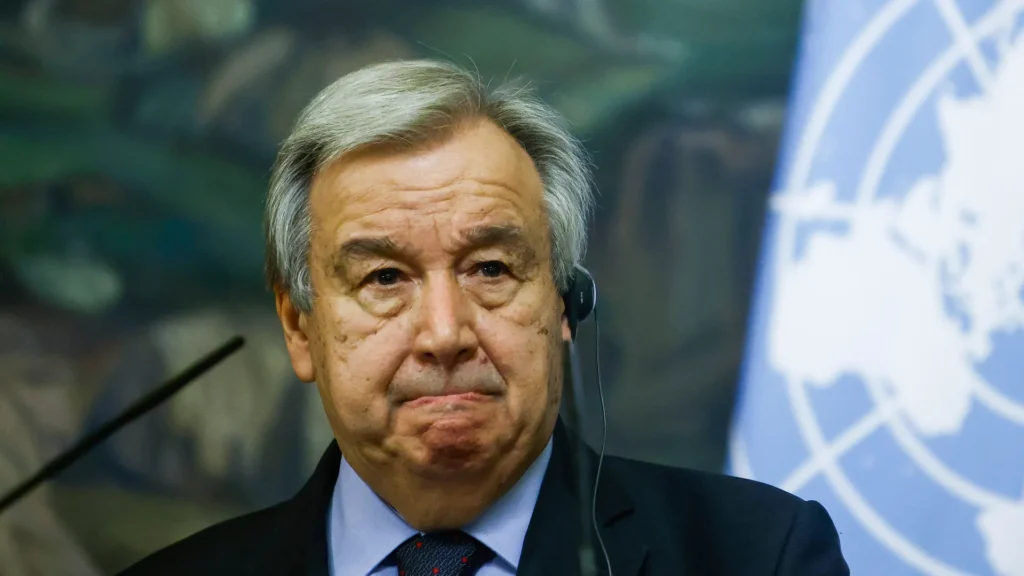
The Secretary-General of the United Nations, António Guterres, has called for renewed global action to confront rising Islamophobia.
In a message issued ahead of the International Day to Combat Islamophobia, the UN Secretary-General warned against the persistence of anti-Muslim prejudice, as it threatens not only the safety and dignity of Muslim communities but also the broader principles of equality and human rights.
“The world’s 2 billion Muslims hail from all corners of the globe, reflecting the vast diversity of humanity itself. Yet they often face institutional discrimination, socio-economic exclusion, biased immigration policies, and unwarranted surveillance and profiling. These worrying trends are fueled by anti-Muslim rhetoric and outright hate, which can lead to harassment and violence against individuals and places of worship.”
António Guterres
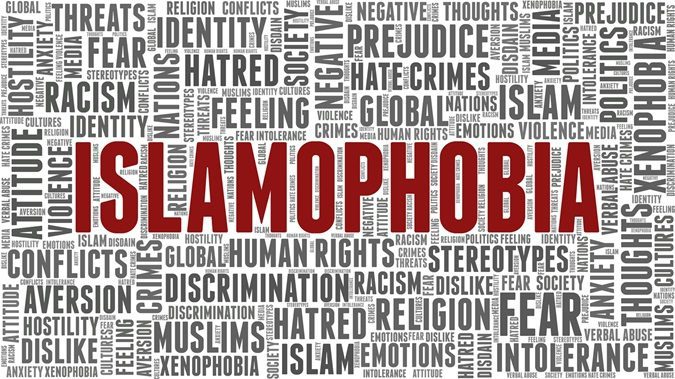
According to the Organization of Islamic Cooperation, Islamophobia is a combination of hate, fear, and prejudice against Islam, against Muslims, as well as against anything associated with the religion, such as Mosques, Islamic Centers, the Holy Qur’an, and the hijab.
It also constitutes hatred, stigmatization, racism, and discrimination in daily life, in the media, at the workplace, and in political spheres.
“It rests in the mind and it reflects in attitudes, and could be manifested through violent actions, such as burning mosques, vandalizing properties, abusing women wearing scarf, or insulting Prophet or sacred symbols of Islam. That is more or less, how Islamophobia identifiable, how it manifests, which can be seen not only from incidents, but also through perspectives, statements, behavior, and gestures.”
Organization of Islamic Cooperation
Over the past two decades, Islamophobia has grown all over the world. This growth occurs through intensive campaigns and public discussions that spread fear of Islam, and through numerous incidents targeting Muslims, mosques, Islamic attire, and Islam’s most-revered figures.
UN’s Efforts to Counter Islamophobia
Efforts to counter Islamophobia have become a higher priority for the United Nations and its member states. Global leaders now emphasize the need for stronger policies and collective action against anti-Muslim hatred.
Many governments have taken steps to address the problem through anti–hate crime legislation, measures to prevent and prosecute religiously motivated attacks, and public awareness campaigns aimed at challenging stereotypes about Muslims and Islam.
International action has intensified through the United Nations General Assembly. In 2022, the assembly adopted a resolution sponsored by 60 member states of the Organization of Islamic Cooperation which designated 15 March as the International Day to Combat Islamophobia.
The resolution emphasized that terrorism and violent extremism must not be associated with any religion, nationality, civilization, or ethnic group and called for global dialogue aimed at promoting tolerance and peaceful coexistence.
In 2024, the General Assembly adopted another resolution outlining measures to combat Islamophobia. The document condemned incitement to discrimination, hostility, and violence against Muslims, including attacks on individuals, the desecration of mosques, negative stereotyping, and other forms of intolerance.
It strongly urges member states to promptly adopt and implement robust legislative and policy measures to prevent such acts and to strictly prohibit incitement to violence based on religion or belief.
Furthermore, the resolution also requested the Secretary-General to appoint a United Nations Special Envoy to Combat Islamophobia. As a result, Guterres appointed Miguel Ángel Moratinos Cuyaubé of Spain in May 2025 to serve in that position.
At the outset, Moratinos mentioned that his role is “not to defend any one religion; it is to defend the human right of all people to practice their religion or faith without fear.”
The UN Secretary-General called on the international community to take decisive, united action against this inhumane act, urging, “let’s work collectively to eradicate the scourge of Islamophobia from every country and community.”
In addition, the United Nations indicated that media narratives and political rhetoric have often fueled fear and resentment by portraying Muslims as extremists and a threat to security. “This us versus them mindset, combined with limited cultural understanding, reinforces harmful stereotypes,” it said.
Social media networks and online forums have become powerful channels for communication and debate. However, they can also amplify prejudice and misinformation if harmful narratives spread unchecked.
Guterres urged technology companies to take immediate, concrete steps to address online harassment and proactively remove hate speech targeting individuals or groups based on religion or belief and called on digital platforms to significantly increase investment in robust moderation systems, strictly and consistently enforce community standards, and form active partnerships with civil society organizations committed to combating hate speech.
These steps are needed to ensure online spaces encourage respectful talk, not hate or unfair treatment.