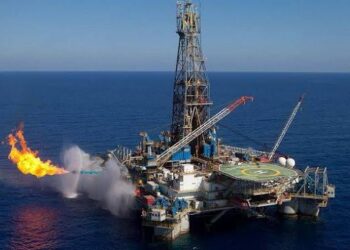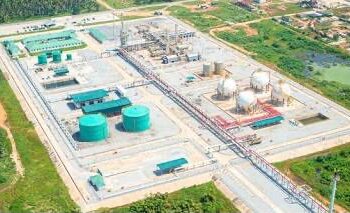
Ms. Judith Adjobah Blay, the Chief Executive Officer of the Ghana National Gas Limited Company (GNGLC), has led a strategic regional tour to engage directly with manufacturing firms in the Western Region that depend on lean gas for their industrial operations.
This high-level outreach underscores the organization’s commitment to reinforcing industrial partnerships by ensuring the safe and reliable processing and supply of gas, which remains a fundamental pillar for both national power generation and large-scale industrial output.
Since stepping into her role one year ago, Ms. Blay has prioritized proactive stakeholder management as a central tenet of her leadership strategy.
“The Ghana National Gas Limited Company remains dedicated to fostering robust partnerships with industry players to ensure the reliable supply of lean gas for national development. Our leadership’s ongoing engagement tours are essential for gaining direct insights into the evolving needs of our industrial off-takers, which ultimately enhances our operational efficiency and service standards.”
Ghana National Gas Limited Company
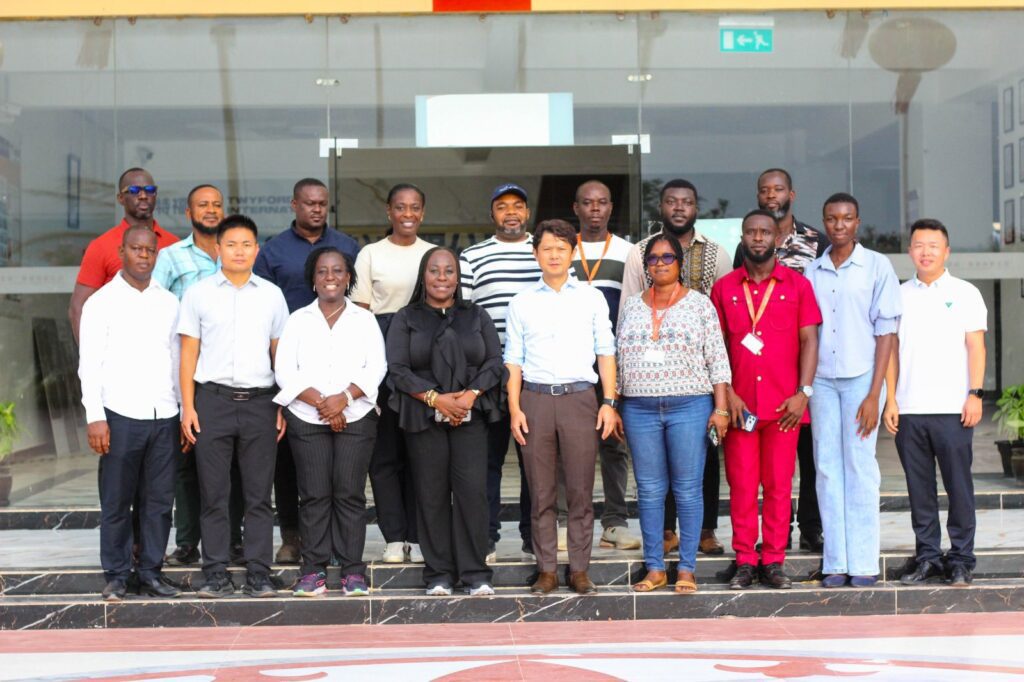
By focusing on off-takers across key industrial hubs like the Sekondi-Takoradi and Tema enclaves, she seeks to move beyond traditional utility-client interactions, aiming instead to foster collaborative relationships that allow Ghana Gas to intimately understand the unique operational requirements of its partners.
This field-based approach, which follows a successful series of engagements in the Tema enclave, serves to identify pain points and streamline service delivery mechanisms that support the broader economic development of the country.
On-the-Ground Perspectives from the Western Region
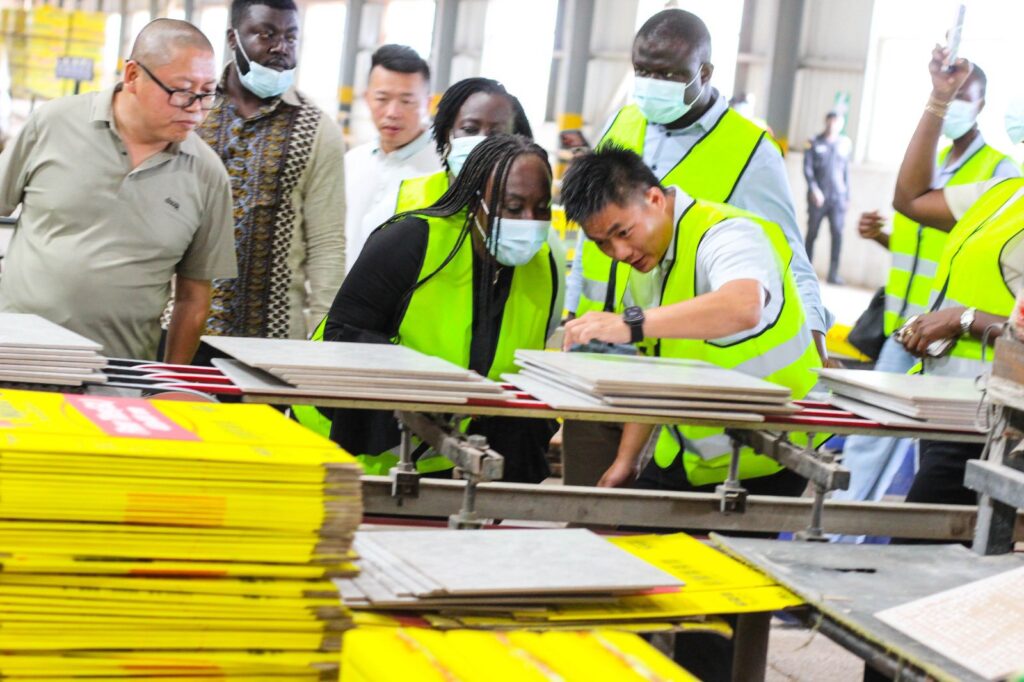
During the tour, the delegation conducted thorough inspections to witness the production workflows of companies that rely exclusively on GNGLC’s gas supply.
At the Jintao Sanitary Ware Company Limited, the team observed the technical complexities involved in manufacturing ceramic products, such as wash-hand basins and toilet seats, gaining a deeper appreciation for how energy consistency directly impacts manufacturing quality.
The visit also facilitated frank dialogue with management teams. At Wangkang Ceramics, industry leaders underscored that “gas acts as the primary lifeblood sustaining their entire operational capacity,” and subsequently submitted an appeal for a pricing review to better align with their current production cost structures.
Conversely, the mood was one of collaborative progress at the Twyford Group, which currently stands as Ghana’s largest ceramics manufacturer. The Managing Director, Mr. Li Wei, noted his organization’s “sincere appreciation to Ghana Gas for its consistent support,” while simultaneously presenting a forward-looking request for additional gas supply volume to accommodate a new glass manufacturing line, which is scheduled to commence operations in August of next year.
Strategic Impact on Operational Efficiency

This initiative, led by Ms. Blay, is more than a mere site visit; it represents a data-driven approach to enhancing the operational resilience of Ghana Gas.
By conducting face-to-face inspections, the company transitions from a transactional service provider to a strategic industrial partner.
These tours enable Ghana Gas to build a more accurate “demand profile” for its off-takers, which is critical for long-term load planning and pipeline pressure management.
Furthermore, the ability to engage with management in their own production environment allows for immediate identification of logistical bottlenecks and potential risks in the supply chain, ensuring that the company can preemptively adjust its distribution strategies to avoid industrial downtime.

Furthermore, these engagements foster a stronger “social license to operate,” as they demonstrate to the industrial sector that Ghana Gas is a responsive and accessible public utility.
When industrial players feel their operational challenges are heard and understood, they are more likely to invest in expanding their own capacity as seen in the case of the Twyford Group’s expansion plans which in turn creates a more stable, predictable, and growing market for gas sales.
Ultimately, these site visits serve as a catalyst for continuous improvement in service delivery, ensuring that Ghana Gas remains a vital, agile, and effective engine for Ghana’s industrial and energy sector growth.