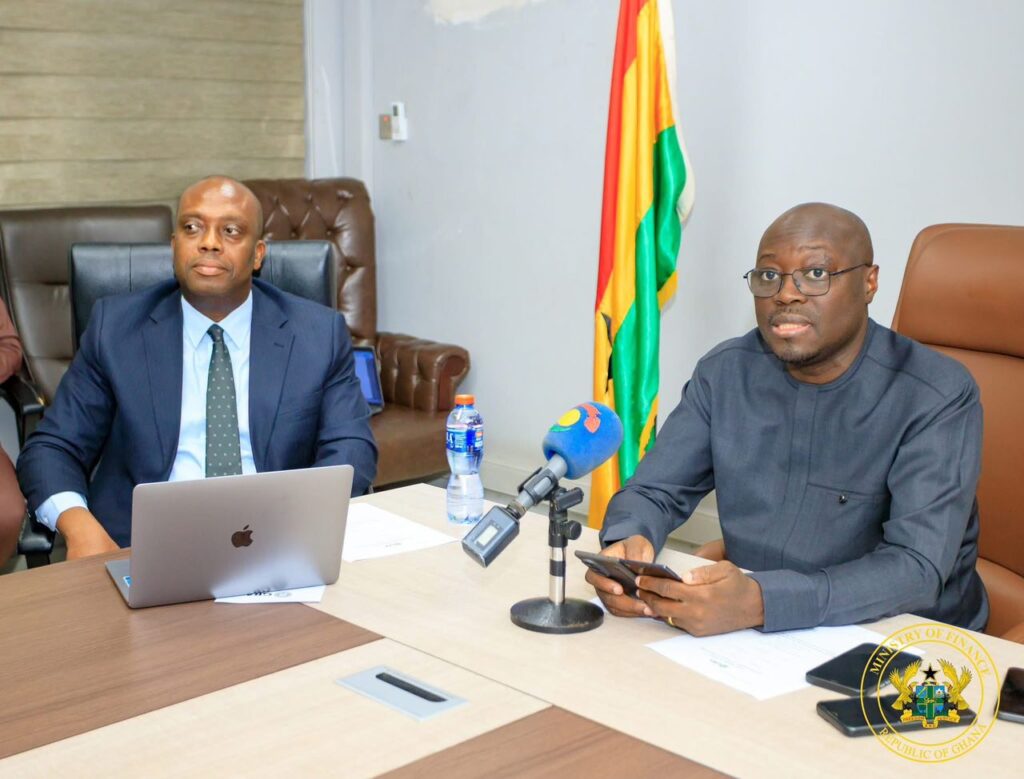
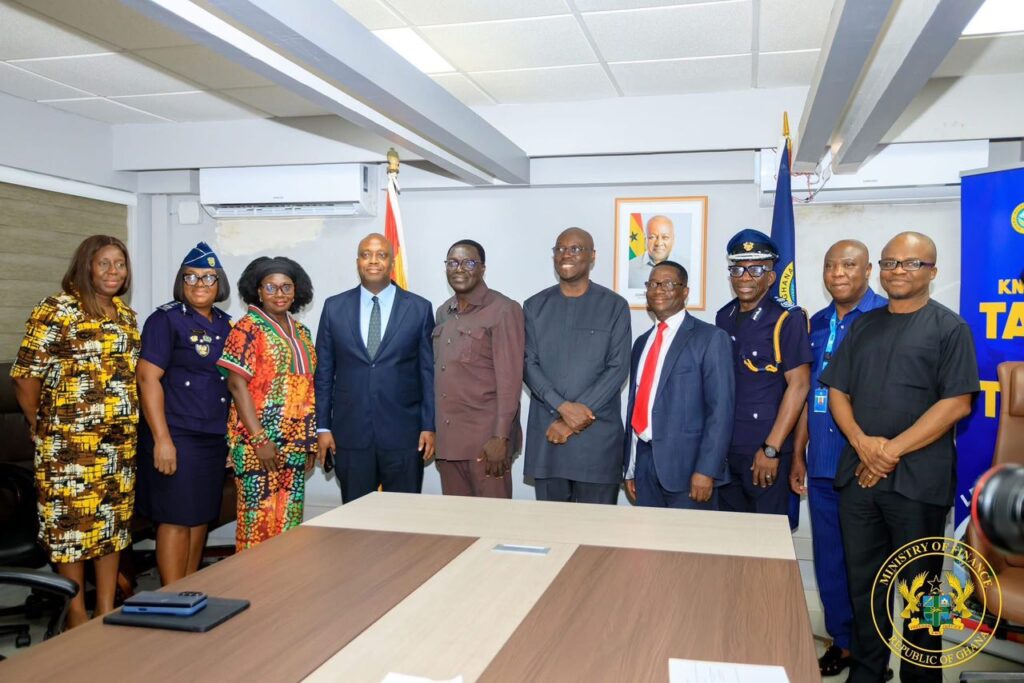
Ghana’s Finance Minister, Cassiel Ato Forson, has underscored the importance of tax compliance as a critical pillar for economic stability, following a public demonstration of accountability alongside his deputy, Thomas Nyarko Ampem.
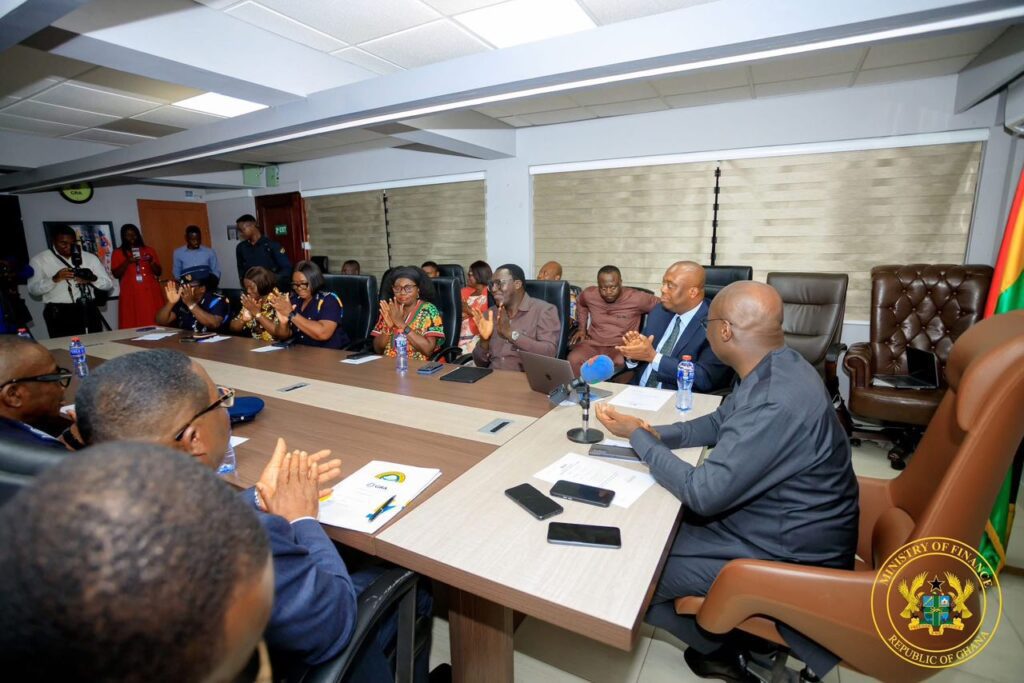
The two leaders filed their annual tax returns openly, a move aimed at reinforcing trust and setting a standard for both public officials and citizens.
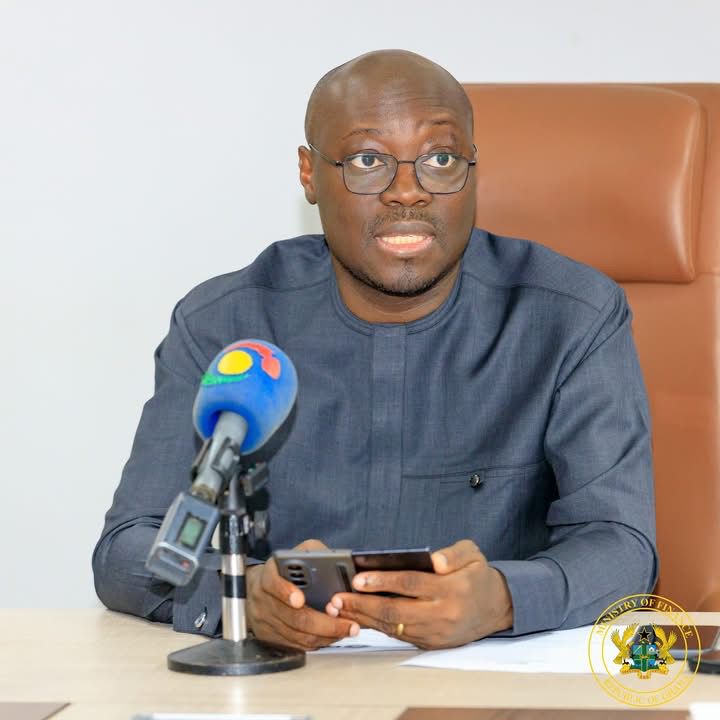
According to Dr Forson, leadership must go beyond rhetoric. “Earlier today, my Deputy and I publicly filed our annual tax returns. We did so for a simple reason: leadership must be demonstrated, not declared,” he stated. This act has been widely interpreted as a signal to encourage voluntary compliance and strengthen Ghana’s fiscal culture.
Recognising the Ghanaian Taxpayer
In his remarks, the Finance Minister extended appreciation to Ghanaian taxpayers for their consistent contributions to national development. He acknowledged that tax compliance remains the backbone of government operations and a driver of progress.
“I want to congratulate the Ghanaian taxpayer for the consistent effort over the years in supporting the government and contributing to national development. Your compliance sustains the state and makes progress possible.”
Cassiel Ato Forson
This recognition highlights the vital role citizens play in sustaining public services and maintaining economic stability, especially in a period where domestic revenue mobilisation is increasingly critical.
Taxes as a Foundation for Development
The Minister emphasised that taxation is not merely a statutory requirement but a shared civic responsibility that underpins governance and development. He pointed out that tax revenue directly funds essential sectors such as education, healthcare, infrastructure, and national security.
“Paying taxes is a shared civic responsibility. It is the foundation of good governance and a cornerstone of national development,” Dr Forson explained.
He further stressed that fairness in taxation ensures that the burden of development is distributed equitably. When individuals and businesses fulfil their obligations, it reduces pressure on the system and enhances the government’s capacity to deliver services efficiently.
Equality Before the Law
A key message from the Finance Minister was the principle of equality in tax compliance.
He made it clear that all segments of society must adhere to tax laws without exception. “Public officials, professionals, businesses, and citizens are all equal before the law, and we must all comply,” he stated.
This assertion reinforces the government’s commitment to fairness and accountability, particularly in addressing perceptions that some groups may evade their responsibilities without consequence.
Moral Responsibility and National Progress
Beyond legal obligations, Dr Forson framed tax compliance as a moral duty that contributes to the broader national interest. He argued that fulfilling tax responsibilities fosters a sense of shared ownership in the country’s development agenda.
“Compliance is not just a legal obligation. It is a moral responsibility. When each of us pays our fair share, the burden is distributed more equitably and development is accelerated.”
Cassiel Ato Forson
This perspective aligns with ongoing efforts to build a culture of integrity and transparency within Ghana’s economic framework.

Strengthening the Role of the Ghana Revenue Authority
The Finance Minister also commended the efforts of the Ghana Revenue Authority, particularly during the ongoing Tax and Good Governance Month in April.
The initiative has served as a platform to educate citizens, promote awareness, and encourage voluntary compliance. “I commend the Ghana Revenue Authority for its work, particularly during this Tax and Good Governance Month in April,” he stated.
He urged the Authority to intensify its public education campaigns and continue implementing reforms aimed at simplifying tax processes, reducing compliance costs, and enhancing transparency.
Government Support for Tax Reforms
Dr Forson reaffirmed the commitment of the Ministry of Finance to support the GRA in achieving its mandate. He highlighted the importance of leveraging digital platforms and modern systems to make tax compliance more accessible and efficient for all Ghanaians. “The Ministry of Finance stands ready to support the GRA in fully delivering on its mandate,” he assured.
The push for digitalisation and reform is expected to improve efficiency within the tax system, reduce bottlenecks, and encourage greater participation from taxpayers.
The Minister concluded with a direct appeal to individuals and businesses that have yet to file their tax returns. He encouraged them to act promptly and utilise available resources to meet their obligations.
“To those who are yet to file, I encourage you to do so promptly. Seek guidance where necessary and take advantage of the digital platforms and support systems available.”
Cassiel Ato Forson
This call to action reflects the government’s broader strategy of combining enforcement with education to improve compliance rates.
Building a Fair and Resilient Economy
Dr Forson emphasised that a strong tax culture is essential for building a stable and resilient economy. He noted that improved compliance enhances accountability, strengthens public institutions, and supports sustainable development.
“A strong tax culture strengthens economic stability, deepens accountability, and builds a fairer society,” he concluded.
As Ghana continues its economic recovery and development efforts, the emphasis on tax compliance is expected to play a central role in shaping the country’s fiscal future.
READ ALSO: Government Taking Positive Steps in Attracting Petroleum Investors – Isaac Dwamena