Ghana is taking decisive steps to restore its sovereign credit profile as it works to regain investor confidence and re-enter international capital markets.
With support from the United Nations Development Programme and the Government of Japan, the country has launched a Credit Rating Support Initiative aimed at strengthening its financial credibility and ensuring sustainable economic recovery.
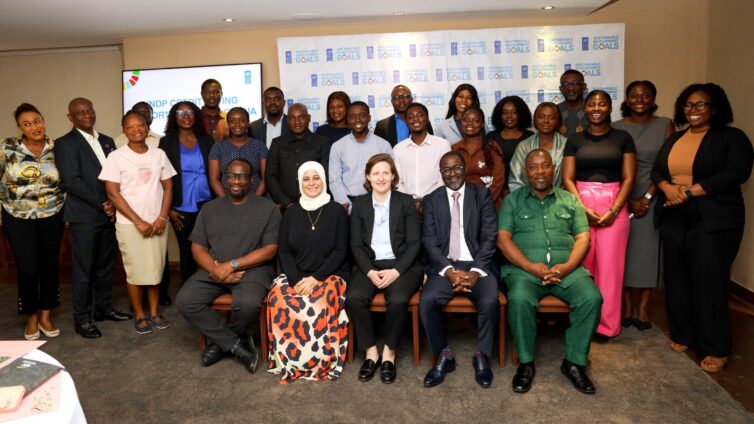
The initiative, unveiled at a high-level workshop in Accra, brings together key stakeholders including the Bank of Ghana and the Ministry of Finance Ghana. It reflects a coordinated effort to address structural weaknesses in Ghana’s credit framework while positioning the country for a return to global capital markets.
A Timely Intervention for Economic Recovery
The programme comes at a critical juncture for Ghana’s economy. Following the shocks of the COVID-19 pandemic and the country’s 2022 debt default, Ghana has been working under an economic reform programme supported by the International Monetary Fund. This has included debt restructuring efforts under the Extended Credit Facility, aimed at restoring macroeconomic stability.
Speaking at the launch, UNDP Resident Representative Shaima Hussein highlighted the importance of the initiative in complementing ongoing reforms. She noted that Ghana’s economic journey has been challenging but pointed to recent progress in stabilising the economy.
According to her, the initiative is designed to strengthen financial resilience while enabling the country to access sustainable financing for development. She stressed that rebuilding creditworthiness is essential for unlocking long-term investment and reducing reliance on costly borrowing.
Signs of Progress Amid Lingering Challenges
Ghana’s efforts are beginning to yield results. Global rating agency Fitch Ratings recently affirmed the country’s Long-Term Foreign-Currency Issuer Default Rating at B minus with a stable outlook. This reflects growing confidence in Ghana’s reform trajectory and signals cautious optimism among investors.
However, the road to full recovery remains complex. Ghana faces a significant financing gap projected to reach up to 70 billion dollars by 2030. At the same time, borrowing costs remain elevated, with interest rates sometimes ranging between 15 percent and 25 percent. These high costs continue to place pressure on public finances and limit the government’s ability to fund critical development priorities.
Shaima Hussein warned that such borrowing conditions are unsustainable in the long term. She emphasised the need for strategic interventions that will lower financing costs and improve access to affordable credit.
Strengthening Institutions and Data Transparency
A key component of the Credit Rating Support Initiative is improving engagement with international credit rating agencies. By enhancing communication and transparency, Ghana aims to present a clearer and more credible picture of its economic fundamentals.
The programme also focuses on strengthening data systems and ensuring that accurate and timely information is available to investors. This includes improving coordination among government institutions to align economic policies and messaging.
Experts at the workshop underscored that transparent and reliable data is critical in shaping investor perceptions. Without it, even strong economic reforms may not translate into improved credit ratings or lower borrowing costs.
Building Confidence for Market Re-entry
As Ghana prepares to re-enter international capital markets, restoring investor confidence remains a top priority. Market participants are closely watching the country’s ability to maintain fiscal discipline and implement reforms consistently.
The collaboration between Ghana, the UNDP, and Japan is expected to provide technical expertise and policy guidance that will strengthen the country’s credit profile. This includes capacity building for institutions involved in debt management and financial reporting.
Stakeholders at the workshop agreed that sustained progress will depend on continued commitment to reforms. This includes prudent fiscal management, effective debt strategies, and policies that support economic growth.
A Path Toward Sustainable Financing
The broader goal of the initiative is to help Ghana transition from crisis recovery to sustainable development financing. By improving its credit standing, the country can access international capital at more favourable terms, freeing up resources for infrastructure, social services, and economic transformation.
Ghana’s experience also highlights the importance of global partnerships in addressing economic challenges. Support from institutions like the UNDP and development partners such as Japan plays a critical role in bridging gaps and providing the tools needed for recovery.
As the country moves forward, the focus will remain on consolidating gains and building a resilient economy capable of withstanding future shocks. The success of these efforts will not only determine Ghana’s return to global markets but also shape its long-term development trajectory.