
The Chairman of the committee that investigated the death of engineer Charles Amissah, Professor Agyeman Badu Akosa, has revealed that the inquiry identified critical weaknesses in emergency healthcare delivery across referral facilities. He explained that the team reconstructed the full chain of care from the crash scene through major hospitals to assess clinical response and system efficiency.
He indicated that the committee engaged management teams from three hospitals, ambulance service personnel and regulatory authorities as part of a structured review process. He added that professional bodies and health regulators submitted evidence, while public input was also collected through an open engagement process.

Prof Akosa noted that site inspections and eyewitness accounts helped reconstruct the sequence of events surrounding the incident. He explained that evidence suggested the motorbike rider moved between a heavy truck and a saloon car before the collision occurred.
He further reported that blood markings at the overhead bridge helped establish the exact point of injury. He added that the absence of lighting and surveillance systems made evidence verification more difficult.
It was also identified that the victim’s phone and identification card were removed at the scene by early responders, a development that complicated initial identification and delayed formal recognition. He also stated that ambulance services arrived within minutes after the alert was triggered.
“They got there in five minutes because somebody who saw the incident called them. The ambulance service is located just behind the Fire Service, so they arrived very quickly. Within those five minutes, they tried to pack the wound on his right axillary, secured him, and placed him in the ambulance. They then arrived at the Police Hospital in eleven minutes.”
Professor Agyemand Badu Akosa

In his assessment, he scrutinized the emergency crew’s preparedness and equipment availability during the transfer, noting that gaps in consumables and clinical skills directly affected the quality of pre-hospital care. He also referenced recorded vital signs which showed that oxygen saturation remained stable at the point of pickup.
He stressed that rapid evacuation aligned with the “golden hour” principle in trauma care, where early intervention is critical for survival. He maintained that the committee’s work focused strictly on causation and systemic care delivery gaps.
The chairman explained that the committee’s mandate was “tasked to establish what happened, to assess how care was delivered, and to identify gaps in the system.” These findings highlight systemic coordination challenges across emergency care pathways, prompting recommendations directed at health authorities for institutional reform to strengthen system response and reduce avoidable trauma deaths.
Emergency Care Reforms And Ambulance Readiness Under Scrutiny
Professor Akosa highlighted significant deficiencies in ambulance equipment and monitoring systems during patient transfer, noting that broken devices limited continuous tracking of vital signs en route. He added that these gaps undermined consistency in emergency care during transport.
He emphasised the importance of triage protocols under national emergency care guidelines, stressing that immediate assessment and stabilisation remain the foundation of effective response. He further explained that delays in structured triage can compromise patient outcomes.
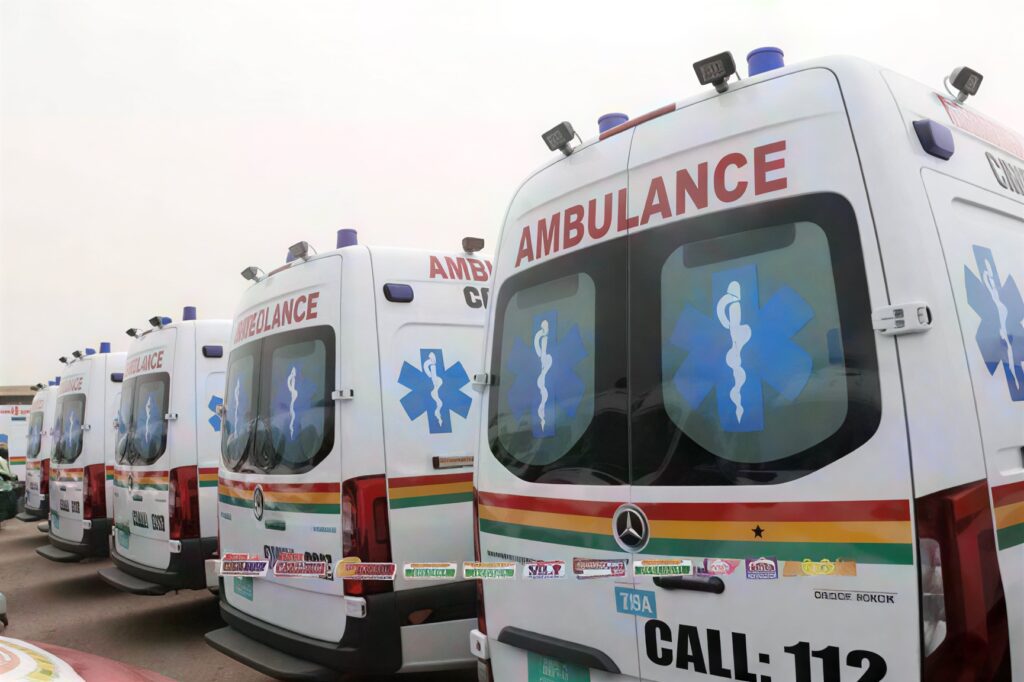
He outlined shortages in intravenous fluids and essential consumables within emergency response vehicles. He noted that such limitations reduce the capacity for advanced pre hospital interventions during critical cases.
The Professor also described how the patient was transferred through multiple health facilities within a short period, a situation he said affected continuity of care. He observed that coordination lapses between facilities weakened overall emergency management.
He reiterated that severe blood loss from the upper limb injury was the immediate cause of death. Professor Agyemang Badu Akosa explained that earlier and more coordinated intervention could have significantly altered the outcome.

Shifting focus to the healthcare environment, the professor identified systemic pressures, including bed shortages and high staff workload, as factors affecting emergency response efficiency. This operational constraint continues to challenge consistent service delivery across facilities.
To address these vulnerabilities, the pathologist outlined proposed reforms including expanded training for emergency personnel and the introduction of digital emergency management systems. Such interventions are intended to improve coordination and response speed nationwide.
READ ALSO: MTN, Clydestone Rescue Market Amid Banking Stock Losses