Ghana has officially begun the Sixth Review of its programme with the International Monetary Fund (IMF).
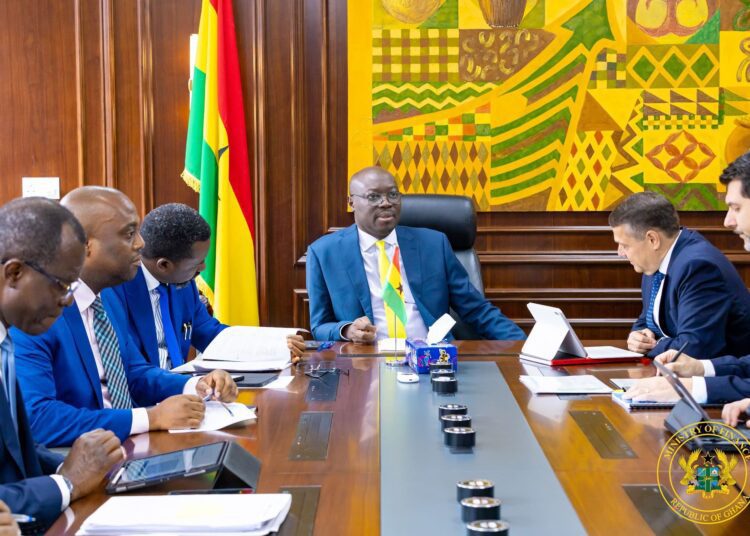
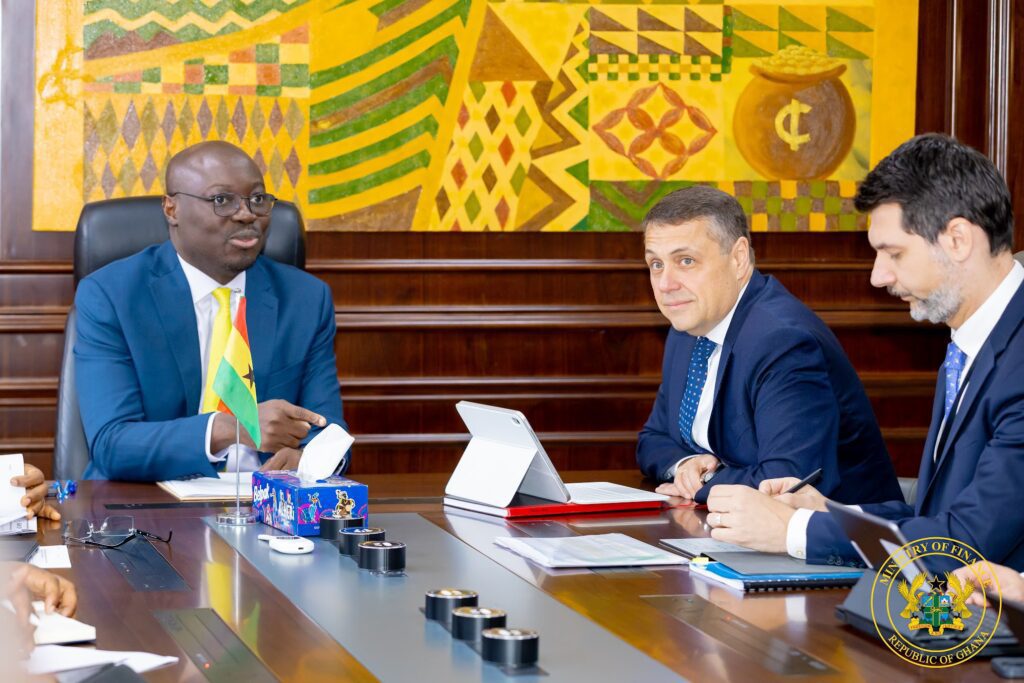
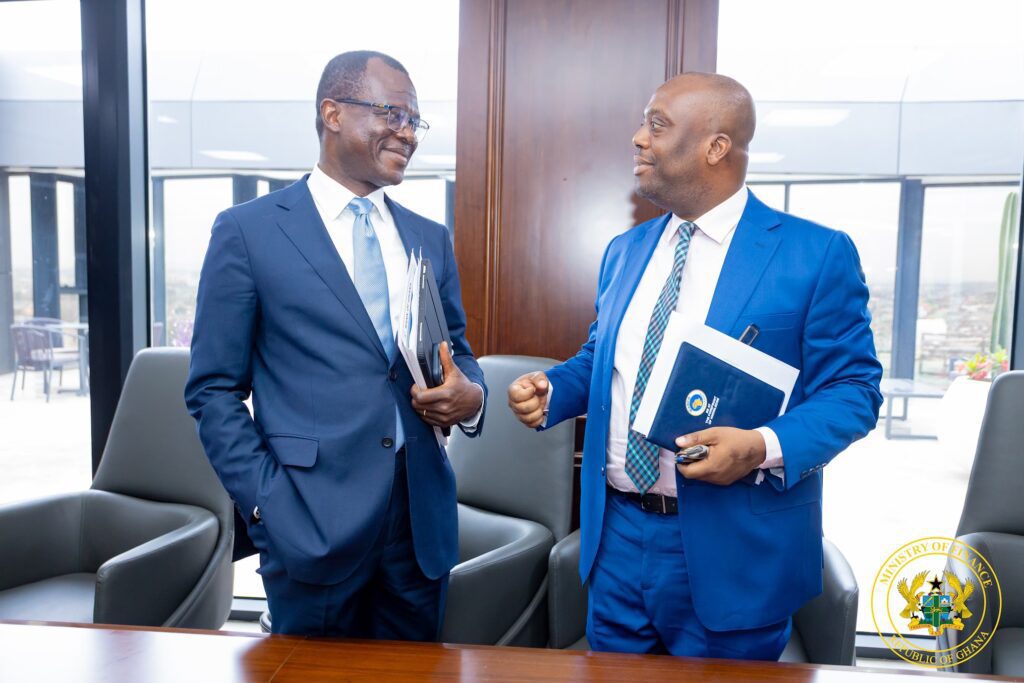
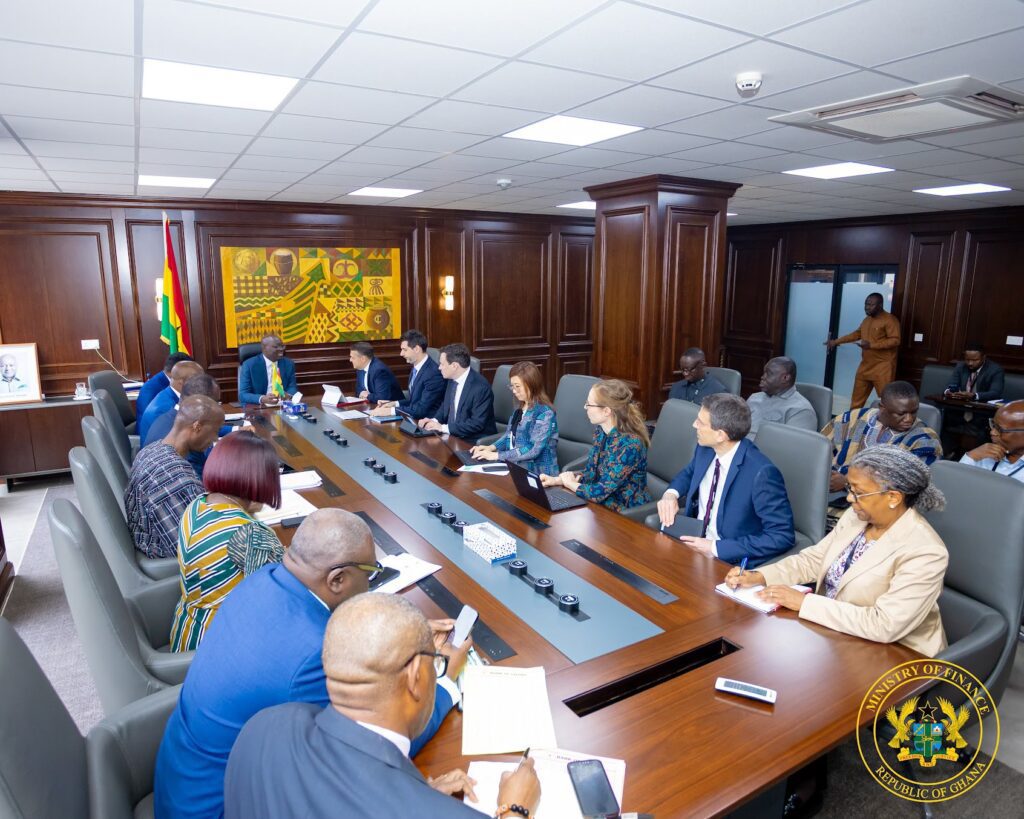
Finance Minister Dr. Cassiel Ato Forson received the IMF Mission team led by Dr. Ruben Atoyan in Accra, describing Ghana’s reform journey since the 2022 crisis as “transformative” and a clear success. The delegation is led by Ruben Atoyan and is expected to assess Ghana’s progress, policy direction, and readiness for the next stage of reforms.
The visit comes at a time when Ghana’s macroeconomic indicators are showing signs of stabilisation following the severe economic crisis experienced in 2022. Government officials and IMF representatives alike have described the current moment as a significant milestone in the country’s ongoing recovery journey.
From Crisis to Stability
Reflecting on the path travelled, the Finance Minister highlighted the depth of the crisis Ghana faced just a few years ago and the extensive measures taken to reverse the downturn. According to him, the partnership between Ghana and the IMF has been demanding but ultimately transformative.
Through fiscal consolidation, debt restructuring, and monetary tightening, the country has managed to restore a degree of macroeconomic stability. Inflationary pressures have eased compared to peak levels, while investor confidence has gradually returned. The programme has also helped rebuild credibility in both domestic and international markets.
Mr Forson emphasised that these gains did not come easily. They were the result of disciplined policy choices and difficult decisions taken in the national interest. He acknowledged the IMF’s technical and financial support as instrumental in guiding Ghana through one of its most challenging economic periods in recent history.
IMF Endorses Ghana’s Progress
The IMF team has expressed satisfaction with Ghana’s performance under the programme so far. Officials from the Fund have reportedly described the Sixth Review as a crucial checkpoint that reflects both progress achieved and the work still required.
The recognition from the IMF reinforces confidence among investors and development partners, many of whom closely monitor the programme as a signal of Ghana’s economic direction. Continued endorsement from the Fund is expected to unlock further financial support and improve Ghana’s access to international capital markets over time.
This positive assessment also underscores the government’s commitment to implementing agreed reforms, even in the face of social and political pressures.
Persistent Risks and Emerging Challenges
Despite the encouraging outlook, the Finance Minister was clear that significant risks remain. Chief among these is the growing concern over youth unemployment, which continues to pose a major socio-economic challenge.
He stressed that while macroeconomic stability is essential, it must translate into tangible benefits for citizens, particularly job creation. Without sufficient opportunities in the private sector, the burden on the state to provide employment could become unsustainable.
This concern reflects a broader issue within Ghana’s economic structure, where growth has not always translated into widespread job creation. Addressing this disconnect is expected to be a central focus of the next phase of reforms.
Focus on Private Sector-Led Growth
Looking ahead, government strategy is increasingly centred on enabling the private sector to drive growth and absorb the country’s expanding labour force. Policies aimed at improving the business environment, enhancing access to credit, and boosting investor confidence are expected to take priority.
The Finance Minister noted that stability alone is not enough. The real test of the recovery lies in the ability to convert macroeconomic gains into inclusive growth, increased investment, and sustainable employment opportunities.
Efforts are also likely to focus on strengthening key sectors such as agriculture, manufacturing, and digital services, all of which hold potential for job creation and economic diversification.
Next Phase of Economic Reforms
As discussions with the IMF progress, Ghana is expected to take critical decisions regarding the next phase of its economic reform agenda. These reforms will aim to deepen policy credibility, enforce fiscal discipline, and sustain the gains achieved so far.
Key areas of focus may include revenue mobilisation, public financial management, and structural reforms designed to enhance productivity and competitiveness. Maintaining reform momentum will be essential to ensure that the recovery is not only sustained but also broadened.
The government has signalled its intention to remain committed to the programme’s objectives while adapting policies to address emerging challenges and opportunities.
Sustaining Momentum for Long-Term Prosperity
The resumption of IMF talks marks both a moment of reflection and a call to action. Ghana has made notable progress in stabilising its economy, but the journey toward long-term prosperity is far from complete.
Mr Forson reiterated the government’s determination to maintain momentum and build on the foundation that has been established. He emphasised that the ultimate goal is to create an economy that delivers real opportunities for all Ghanaians.
With stability restored and credibility regained, the focus now shifts to ensuring that these gains translate into meaningful improvements in living standards. The outcome of the Sixth Review will play a crucial role in shaping Ghana’s economic trajectory in the months ahead.
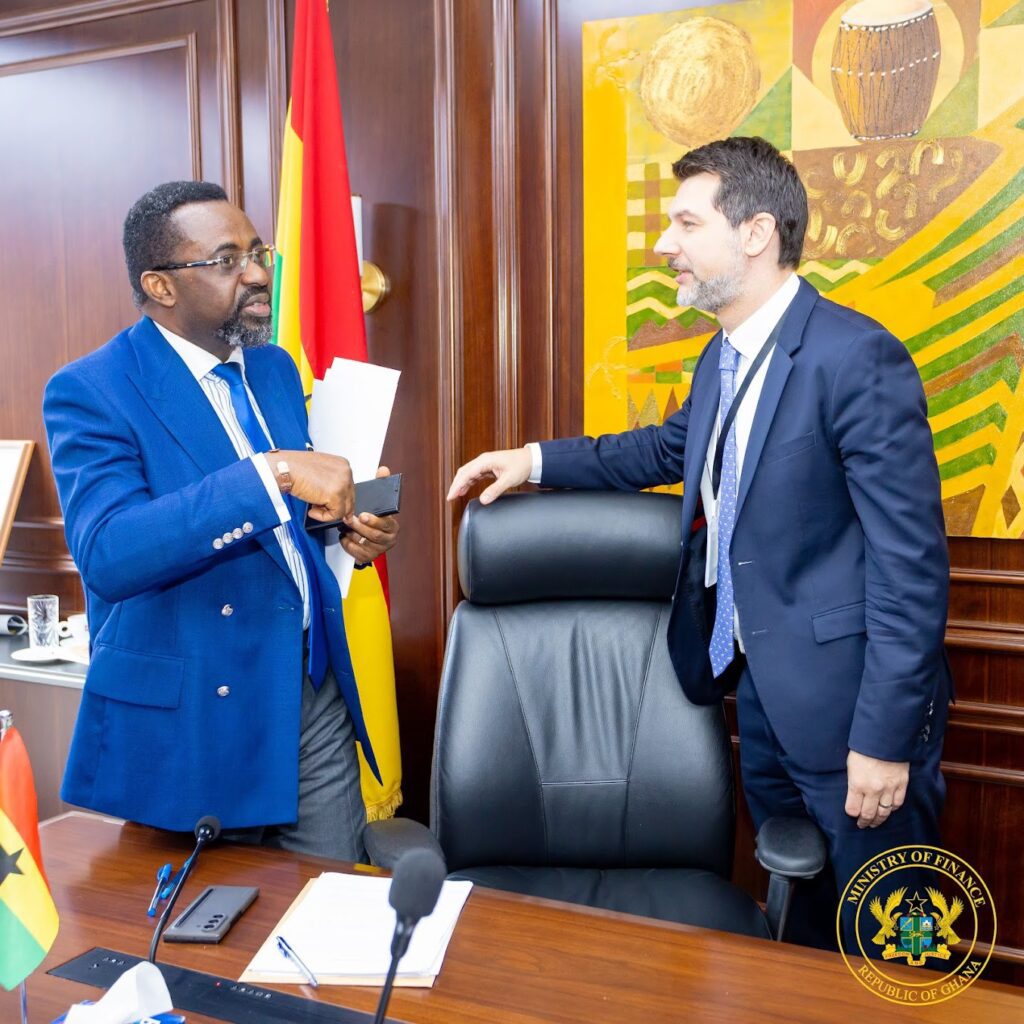
Present at the meeting were Deputy Finance Minister Thomas Ampem Nyarko, Chief Director Patrick Nomo, Bank of Ghana Governor Dr. Johnson Asiama, and First Deputy Governor Dr. Zakari Mumuni.
READ ALSO: Defence Ministry Denies Military Land Sale to Ibrahim Mahama