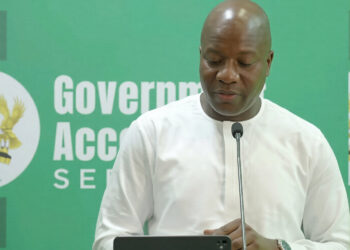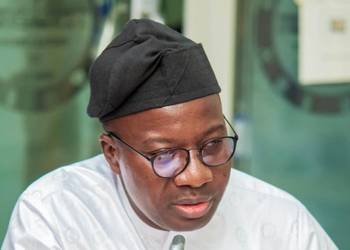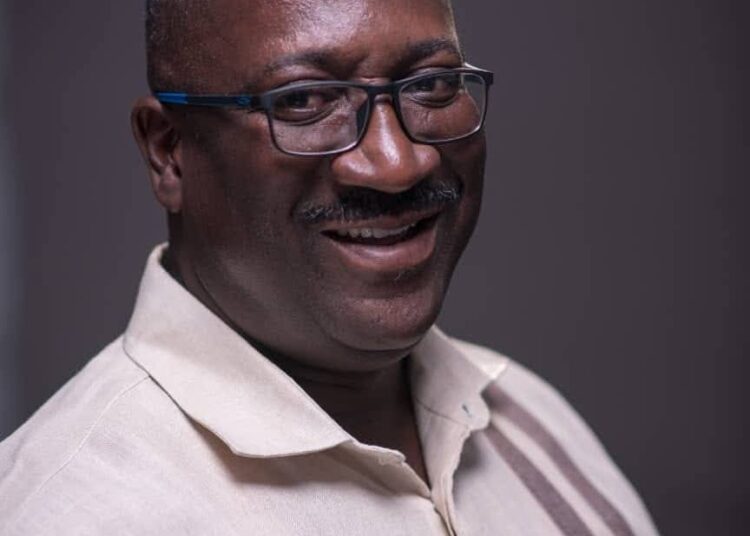
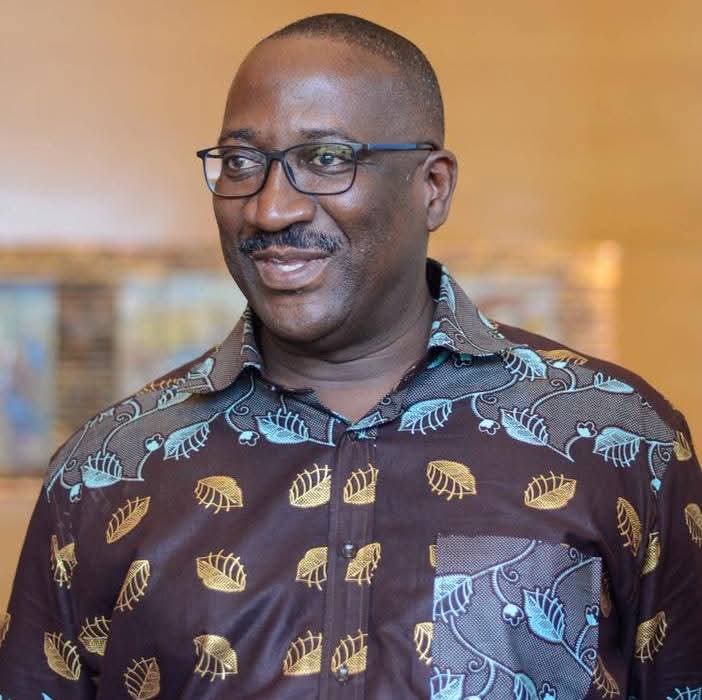
The Executive Director for Africa Media Bureau, Samuel Attah-Mensah, popularly known as Sammens, has entreated the Ghanaian media stakeholders to make an effort towards adapting to the changing trends of the media landscape.
Delivering the opening remarks at the Media Convergence in Ghana, dubbed “The Future of Media Practice, Education and Policy in Ghana”, he pointed out the need for the media to inculcate technological advancements into their daily operations to enhance efficiency.
He noted that Ghana has a total of about 805 radio frequencies nationwide, with 583 allocated to commercial stations, 161 to community FM, 31 to public broadcasters, and 25 to campus stations. In addition, the country has 178 television operators, of which 132 are currently active.
These figures, as he opined, underscore what many described as a “congested” media environment in a relatively small market. With so many players competing for limited audience attention and advertising revenue, traditional media institutions are under increasing strain to remain viable.
Attention is gradually moving away from traditional media to modern and technological ones. People rely on online media outlets, including for news updates. This is because of the ease of convenience and accessibility. He charges the media partners to embrace the change or risk losing their relevance.
The conference brought together academics, journalists, regulators, students, and industry leaders to reflect on the sector’s future. He emphasized that Ghana does not have the luxury of resisting global shifts in media consumption, as digital platforms continue to redefine how information is produced, distributed, and consumed.
Addressing participants, he noted that radio, television, and print outlets are no longer operating in isolation. Instead, they are being reshaped by digital tools that enable real-time storytelling, audience interaction, and multimedia content delivery.
While these changes present opportunities for innovation and expansion, they also raise concerns about sustainability and relevance. He reiterated that, “Technology has transformed how stories are told, how audiences engage, and how media businesses survive and thrive”.
“While the world is going in a particular direction of dissolving the structures of traditional media and seamlessly joining the digital space, it’s not like we have an option. The world is going in that direction. How do we as a country prepare for it?”
This is not just about examining change, he said, but rather it is about shaping the future. Central to the discussions were questions about whether Ghana’s media ecosystem is adequately preparing the next generation of professionals to operate in a digital-first environment.
He also stressed the fact that newsrooms must adapt quickly enough to new technologies and shifting audience behaviors. He opined that resisting this change will ultimately render the media outdated and lose relevance.
He also touched on the preservation of journalistic ethics and credibility in an era of rapid innovation. With the rise of social media and user-generated content, maintaining public trust has become increasingly complex.
He noted that while technology can enhance storytelling, it must not come at the expense of accuracy and accountability. Technology must be used to enhance the work, not to reduce the accuracy of the work.
The Need For Partnership In The Media Space
Mr. Attah-Mensah called for stronger partnerships between academia and industry, emphasizing that lecturers, editors, students, and policymakers must work together to bridge the gap between theory and practice.
He argued that the partnership is essential for developing a framework that reflects current industry realities and for ensuring that graduates are equipped with relevant skills. He further highlighted the need for policy frameworks that can match technological advancements.
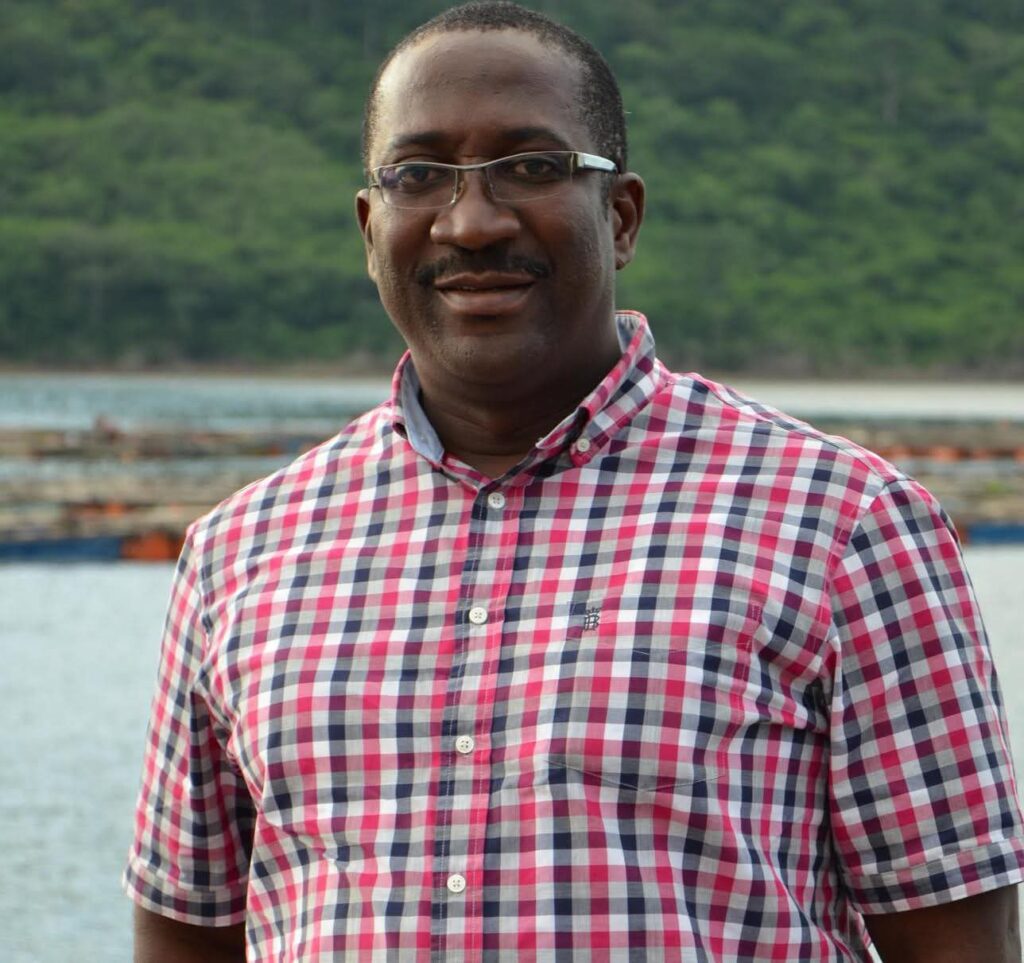
“To embrace the realities of tomorrow, are our newsrooms adapting fast enough? And how do we ensure that ethics, credibility, and public trust remain at the center of innovation?.”
Samual Attah-Mensah
Ghana’s media industry stands at a pivotal moment. Navigating congestion, embracing digital transformation, and preserving core journalistic values will determine whether the sector merely survives or successfully thrives in the years ahead.
READ ALSO: GoldBod Reports ¢5.55bn Revenue in 2025