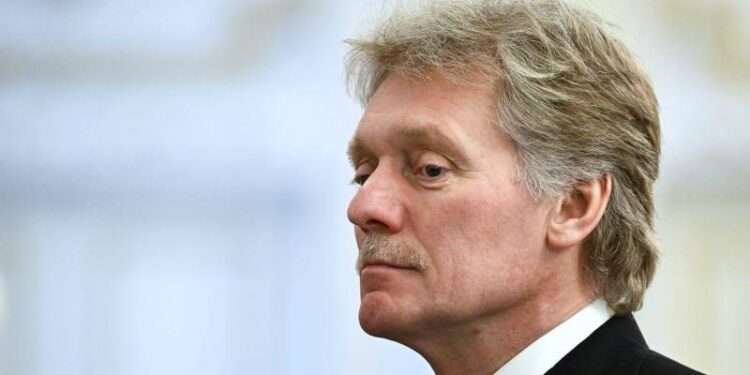
Kremlin Spokesperson Dmitry Peskov has said that Russia has no plans to leave OPEC+ and praised the organization’s work in stabilizing energy markets.
This comes after the UAE announced yesterday that it would leave OPEC and the wider OPEC+, marking one of the most significant blows to the oil producer group in years. The decision comes as global energy markets face severe disruption from the US-Israeli war against Iran, driving crude prices sharply higher and intensifying concerns about the security of supply from the Gulf.
Speaking to journalists, Peskov also stated Moscow’s hope that OPEC+ will be preserved despite the UAE’s withdrawal. He said that the Kremlin hopes that the departure of the United Arab Emirates from OPEC and the expanded OPEC+ alliance will not lead to the collapse of the oil cartel. “We of course would like to hope so,” Kremlin spokesman Dmitry Peskov told reporters in response to if Russia remains committed to stabilizing global energy markets through the OPEC+, of which it is a member.
“This is a very important area of work and it is especially crucial at the current moment, when energy markets are, to put it mildly, in turmoil.
“This format allows for significant minimization of fluctuations in non-energy markets and helps stabilize these markets.”
Dmitry Peskov
However, he stressed that Moscow respected the UAE’s decision. “We welcome statements from Abu Dhabi that the Emirates will continue to take a responsible position in the energy market,” Peskov said.
He also noted that the United Arab Emirates’ withdrawal from the OPEC oil producer group and OPEC+ is a “sovereign decision.” “This is a sovereign decision of the United Arab Emirates, and we respect it,” Peskov told reporters in the press briefing.
Saying that Russia welcomes Abu Dhabi’s statements that the UAE will continue to take a responsible position in energy markets and coordinate bilaterally, Peskov added that Moscow expects to continue “constructive and effective” contacts with the Gulf country, including through energy dialogue.
Russia decided to join OPEC+ in 2016. According to International Energy Agency estimates, the group produced nearly 50% of the world’s oil and oil liquids last year. The UAE was the fourth largest producer in OPEC+, while Russia is the second, behind Saudi Arabia.
Russia’s Finance Minister Sees Boost In Oil Production
Early today, Russian Finance Minister Anton Siluanov said that the UAE’s exit, effective this Friday, would boost oil production and eventually bring down energy prices that have surged since US-Israeli strikes were launched against Iran in late February.
He stressed that this decision implies that the UAE is in a position to “produce as much oil as its production capacity allows and release it onto the market.”
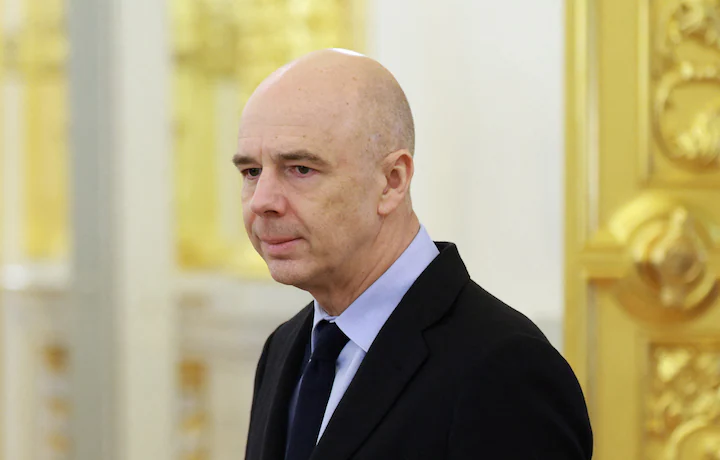
He emphasized that Russia’s budget requires a three-year safety cushion to withstand such a scenario, noting that the country still depends on oil and gas revenues for approximately one-fifth of its income.
However, analysts warned the departure could weaken OPEC’s collective influence and trigger further market turbulence.
Jorge Leon, Head of geopolitical analysis at Rystad Energy said that the UAE’s withdrawal removes one of OPEC’s few members with the ability to quickly increase production — the mechanism through which the cartel manages oil prices.
“A structurally weaker OPEC, with less spare capacity concentrated within the group, will find it increasingly difficult to calibrate supply and stabilize prices. The net effect points to a more fragmented supply landscape and a potentially more volatile oil market over time as OPEC’s capacity to smooth imbalances diminishes.”
Jorge Leon
Analysts believe that the departure will not add oil to the market while the strait is blocked. Iran is blocking the Strait of Hormuz, the passage for tankers carrying a fifth of the world’s oil and gas supplies. That prevents much of the oil produced by Persian Gulf countries such as Saudi Arabia and the UAE from getting to customers. For the short term, that is the biggest issue affecting oil prices, which have risen sharply as a result.
Michael Brown, research strategist at Pepperstone foreign exchange brokerage, opined that if the UAE achieves its goal of producing more oil after the war, that could speed a return to prices levels more in line with those before the war.
“As for crude in the here and now, all that really matters is whether the Strait of Hormuz is open or closed. At present, it’s essentially shut, tightening supply conditions day by day and probably seeing benchmarks continue to grind higher on a daily basis as well.”
Michael Brown
READ ALSO: ADB Celebrates Julius Debrah at 60, Highlights His Legacy and Bank’s Transformation Agenda