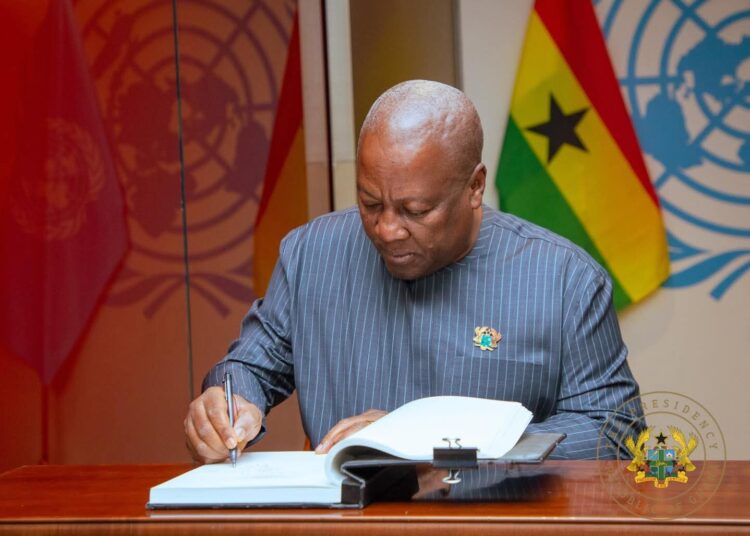
President John Dramani Mahama has set out an ambitious plan for youth employment by boosting agroprocessing and reviving state-owned enterprises, calling it a pathway toward a “reset Ghana” anchored in productivity and human capital development.
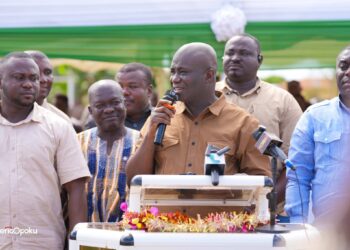
Speaking at the May Day Clebration, Mahama emphasized the importance of strengthening rural economies by investing in agroprocessing hubs. According to him, these hubs are critical to creating sustainable livelihoods for young people while boosting agricultural output.
He explained that the newly launched Farmers Service Centre is designed to support farmers in expanding cultivation areas, increasing yields, and improving incomes. The initiative will provide access to modern equipment, inputs, and technical services, reducing bottlenecks that have historically limited productivity in rural farming communities.
President Mahama framed agriculture as a cornerstone of Ghana’s economic transformation, particularly in addressing youth unemployment. By linking primary production with agroprocessing, he said, the country could unlock value chains that generate jobs and increase export competitiveness.
Beyond agriculture, Mahama highlighted the need to protect human capital as Ghana pursues economic growth. “As we pivot to grow, we must protect the human capital that drives us,” he stated, underscoring the importance of health, skills development, and worker welfare in national development.
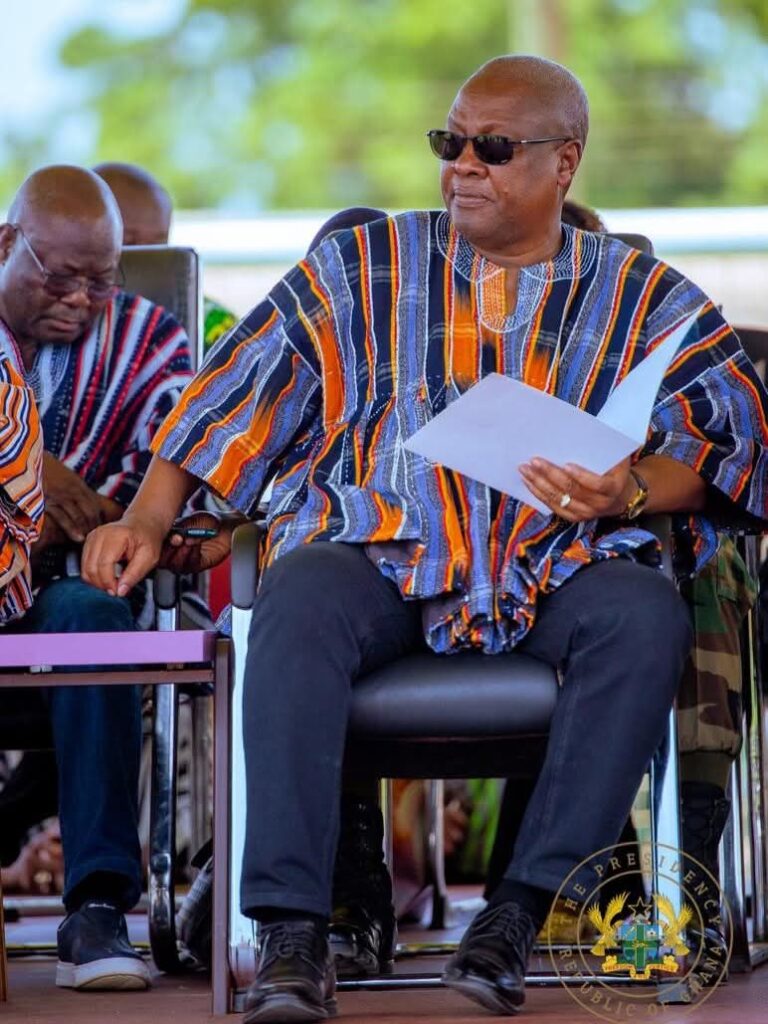
Central to his message was the revival of struggling state-owned enterprises (SOEs), many of which he said had previously been on the brink of collapse. He announced that several key institutions have now been stabilized and are returning to operational efficiency.
Among them, the Tema Oil Refinery has resumed operations, signaling renewed activity in Ghana’s energy sector. He also pointed to the recapitalization of the Agricultural Development Bank and the National Investment Bank as critical steps toward strengthening financial support for businesses and farmers.
Additionally, President Mahama noted that the Tema Shipyard is experiencing a rebound, contributing to industrial growth and job creation. He indicated that these improvements reflect deliberate government interventions aimed at restoring confidence in public institutions and ensuring their long-term sustainability.
However, he cautioned that government efforts alone are not sufficient to guarantee success. He called on the Trades Union Congress (TUC) and organized labor to play a more active oversight role in ensuring that SOEs are managed responsibly.
Trade Union Groups Not To Be Passive
President Mahama urged workers and unions not to remain passive when they observe mismanagement or inefficiencies within their organizations. “When these enterprises collapse, it is the workers who suffer the most,” he said, encouraging proactive engagement to safeguard jobs and institutional integrity.
“I urge the TUC and organized labor not to sit back and look on aloof when management and governing boards are mismanaging their enterprises. Because when these enterprises collapse, it is the workers that suffer the most. And so when you see things going wrong, don’t sit aloof.”
President John Dramani Mahama
Mahama also turned attention to infrastructure development, revealing that the government is considering incorporating the Western Rail Line into its flagship “Big Push” program. The project, once completed, is expected to significantly enhance transportation and logistics in the Western Corridor.
The rail line would facilitate the movement of key natural resources, including bauxite and manganese, from mining areas to processing and export points. It would also ease the transportation of cocoa, one of Ghana’s major export commodities, improving efficiency across the supply chain.
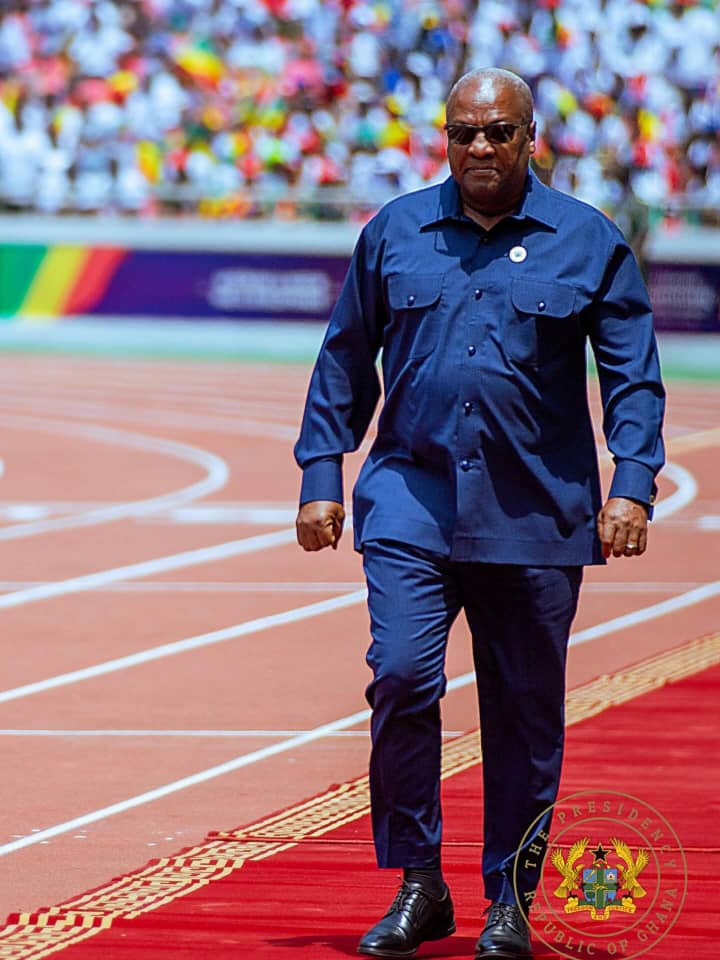
According to him, the integration of rail infrastructure into broader economic planning is essential for reducing costs, increasing competitiveness, and attracting investment into key sectors.
The address reflects a broader policy direction focused on industrialization, infrastructure expansion, and inclusive growth. By combining agricultural modernization with the revival of state enterprises and strategic infrastructure investments, Mahama’s vision aims to reposition Ghana’s economy for resilience and long-term prosperity.
Observers note that while the proposals are ambitious, their success will depend on effective implementation, transparency, and sustained collaboration between government, labor, and the private sector.
As Ghana navigates economic challenges, he called for a “reset,” underscoring a renewed emphasis on productivity, accountability, and the strategic use of national resources to drive development.
READ ALSO: Ghana Rebuilds Credit Profile with Global Institutional Backing