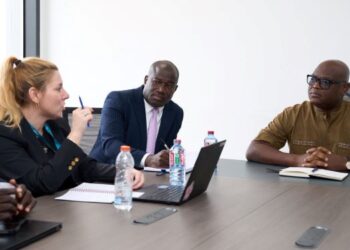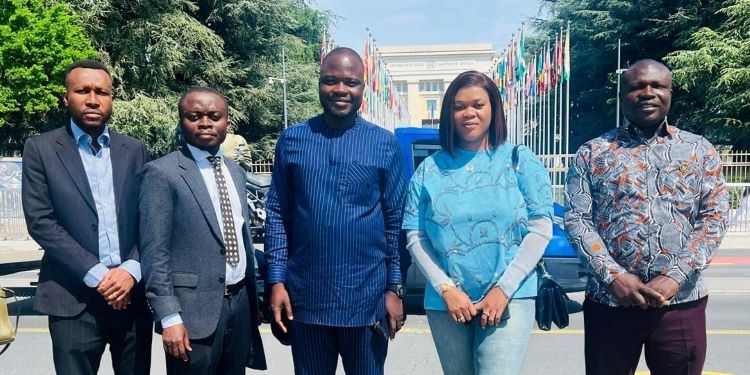
In the austere, high-stakes environment of the World Trade Organization (WTO) headquarters in Geneva, the Ghana Free Zones Authority (GFZA) has executed a critical diplomatic maneuver to safeguard the nation’s sovereign industrial agenda. The delegation engaged in a series of intensive committee meetings to insulate Ghana’s export incentives from international legal scrutiny.
According to the Authority, participating in key meetings such as the Committees on Subsidies and Countervailing Measures (SCM), Anti-Dumping Practices (ADP), and Safeguards, Ghana deployed a transparency shield to ensure that its drive for export-led industrialization remains untouchable under the rigorous mandates of the multilateral trading system.
“Ghana joined other member states to participate in key meetings of the World Trade Organization. These engagements form part of Ghana’s commitment to transparency, compliance, and active participation in the multilateral trading system”
Ghana Free Zones Authority
This Geneva mission arrives at a time of increasing global protectionism and aggressive trade litigation. For an emerging economy like Ghana, the ability to offer tax breaks, duty waivers, and strategic subsidies through the Free Zones Programme is essential for attracting foreign direct investment (FDI).
However, these same incentives are often viewed through a suspicious lens by competing nations as market-distorting. The GFZA noted that by proactively submitting its subsidy notifications in accordance with Article 25 of the WTO Agreement on SCM, Ghana reiterated that its industrial growth is built on a foundation of legal compliance, rather than clandestine protectionism.



The heart of the Geneva engagement lay in the technicalities of the SCM Committee.
Under WTO rules, member states are required to disclose any financial contribution by a government that confers a benefit to a specific industry. Failure to disclose these measures can lead to “countervailing duties” being slapped on Ghanaian exports by trading partners, effectively pricing Ghanaian goods out of the global market.
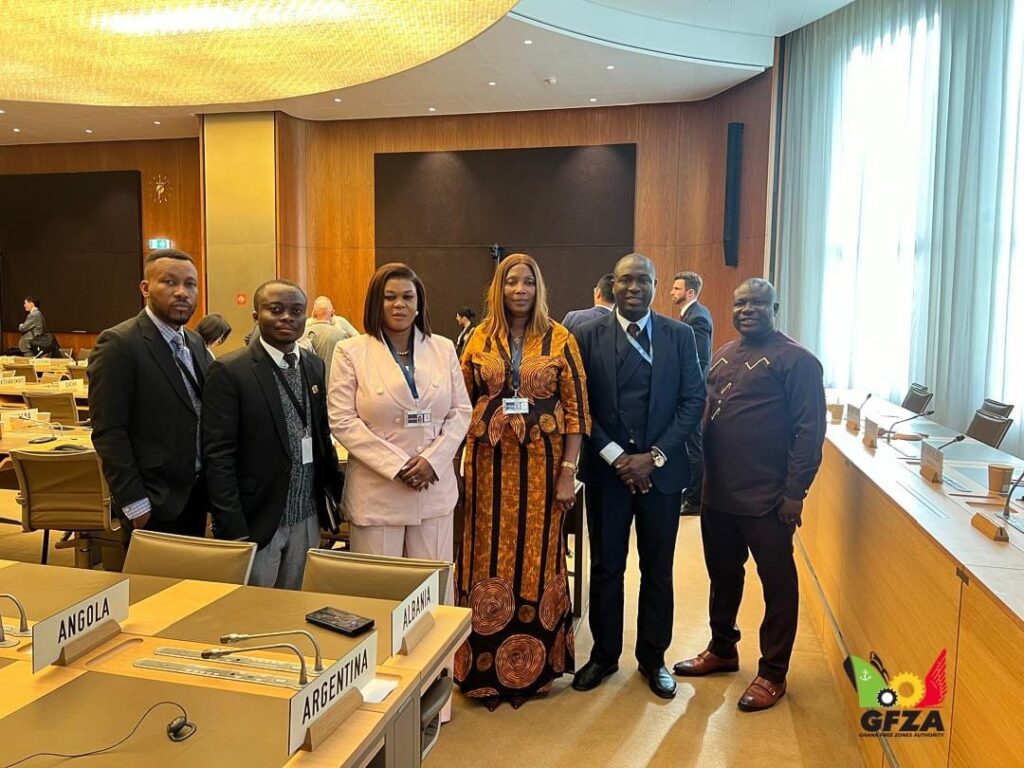
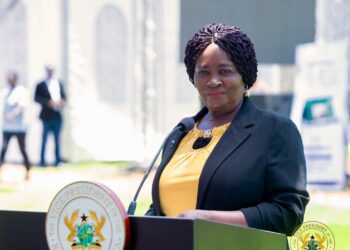
The GFZA’s participation, led by Deputy CEO Mr. Musah Sibiri Hamidu and Dr. Patience Agbleze Acorlor, was a necessity to clarify that Ghana’s incentives are designed for development, not for creating unfair competitive advantages.
The submission of the Article 25 notification is a defensive victory. It forces other member states to engage with Ghana on a technical level rather than a political one. During the review process, the Ghanaian delegation faced questions from other members, an ordeal that requires deep institutional knowledge of how local tax laws interact with global trade law.
According to the GFZA, this proactive disclosure prevents “surprises” at the border, ensuring that a product manufactured in a Tema Free Zone can reach a shelf in Europe or Asia without facing sudden, punitive tariffs.
Protecting Competitiveness
For the GFZA, the stakes in Geneva were existential. The Authority’s primary product is the “incentive package” it offers to investors. As WTO rules on subsidies evolve – particularly regarding environmental sustainability and digital trade – the GFZA must ensure that Ghana’s framework does not become obsolete or illegal.
The delegation used the Geneva platform to deepen its understanding of these evolving rules, identifying potential friction points where national trade policies might clash with new international precedents. The challenge is to remain “competitive while fully compliant.”
In global trade, compliance is often seen as a burden, but for Ghana, it is a strategic asset, as a compliant business environment is a safe environment for high-value investors.
If an international conglomerate knows that Ghana’s Free Zones incentives have been vetted and cleared by the WTO SCM Committee, they are far more likely to commit capital, knowing their export routes are secure from legal challenges.
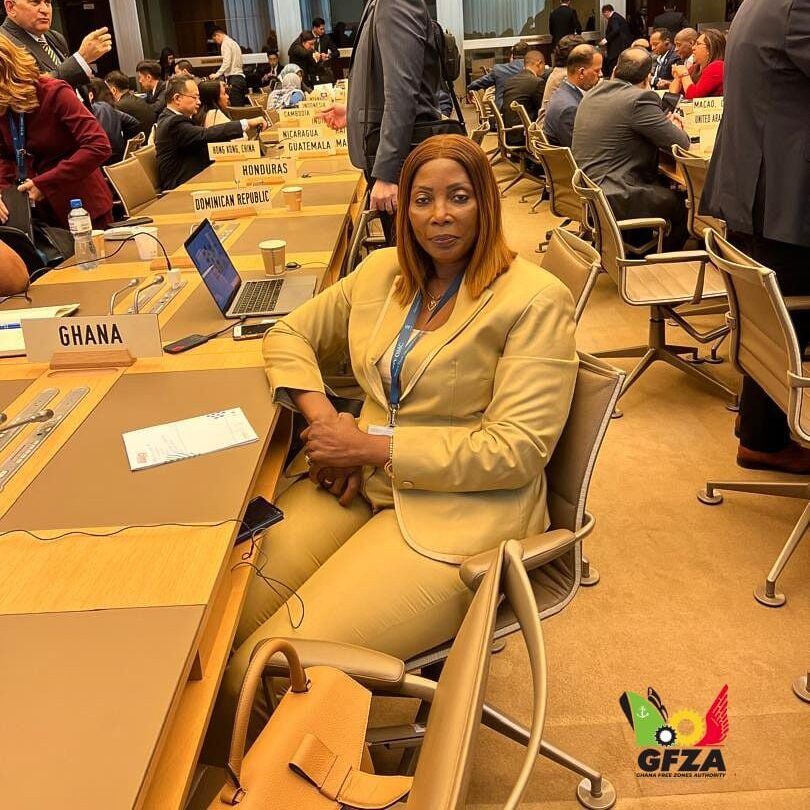
The composition of the delegation – comprising the Ghana International Trade Commission (GITC), the Ministry of Trade, Agribusiness and Industry (MoTAI), and the GFZA – highlighted the institutional synergy in Ghanaian trade diplomacy. Historically, these agencies may have operated in silos, but the 2026 Geneva mission proved that Ghana is now presenting a unified front.
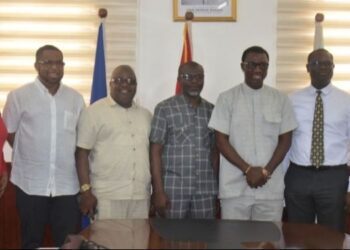
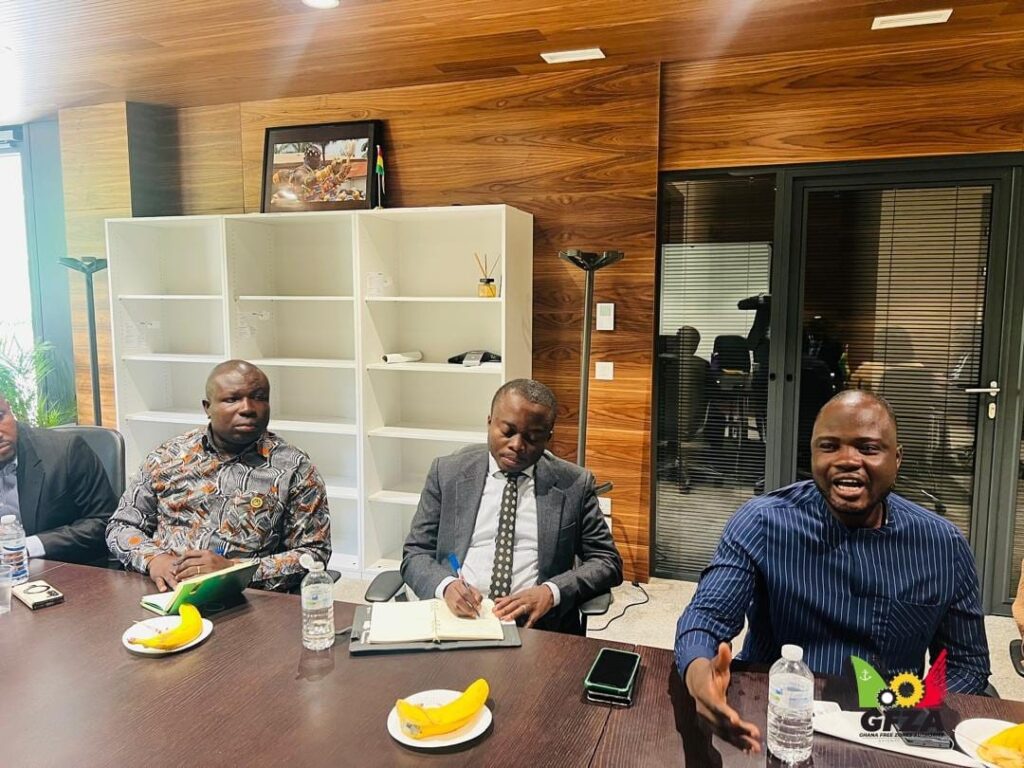
The GITC provided the legal expertise on anti-dumping and safeguards, MOTAI provided the overarching policy direction, and the GFZA provided the operational data on how these rules affect real-world manufacturing. This synergy was reinforced during a courtesy call on His Excellency Emmanuel Antwi, Ghana’s Ambassador and Permanent Representative to the WTO.
Ambassador Antwi’s briefing underscored that the GFZA is the engine of Ghana’s “export-led industrialization.” In the Geneva context, the Ambassador served as the frontline scout, while the delegation from the GFZA and GITC served as the engineering corps, ensuring that the legal infrastructure supporting the national economy was earthquake-proof.
Safeguarding Against Anti-Dumping
While subsidies dominated the SCM Committee, the meetings on Anti-Dumping Practices (ADP) and Safeguards were equally vital for Ghana’s domestic industrial security.
As Ghana opens its markets through the African Continental Free Trade Area (AfCFTA) and other bilateral agreements, it becomes vulnerable to “dumping” – the practice of foreign firms selling goods in Ghana at prices below their cost of production to kill off local competition.
The Geneva meetings allowed the GITC and GFZA to learn the latest international standards for proving dumping and “implementing safeguard measures to protect local industries during sudden surges of imports.” This is the “dual-dated” strategy of the GFZA: ensure that Ghanaian exports can leave the country without facing barriers, while ensuring that the domestic industrial base is not decimated by unfair imports.
Staying active in these committees gave Ghana the chance to master the legal tools necessary to defend its borders without violating the principles of fair trade, especially since it is a delicate balancing act that requires constant recalibration and a permanent presence in the halls of the WTO.
The GFZA’s participation in the May 2026 WTO meetings marked a maturation of Ghana’s trade policy. The nation is no longer a passive observer of international law but an active participant in its interpretation and application.
Through the leadership of Mr. Musah Sibiri Hamidu and the technical expertise of Dr. Patience Agbleze Acorlor, the GFZA ensured that the Ghanaian dream of becoming a manufacturing powerhouse was not derailed by a technicality in a Geneva courtroom.
As the delegation returns to Accra, the focus shifts to internalizing the lessons from Geneva to a subtle but significant refinement of the Free Zones incentive framework, ensuring it remains future-proof against the next wave of global trade reforms.
READ ALSO: Prez Mahama Pledges Worker Empowerment on May Day