Deputy Executive Secretary of the Energy Commission, Chris Nanabanyin Yalley, has called for a paradigm shift in Ghana’s approach to its green evolution, advocating for a framework rooted in transparency and public accountability.
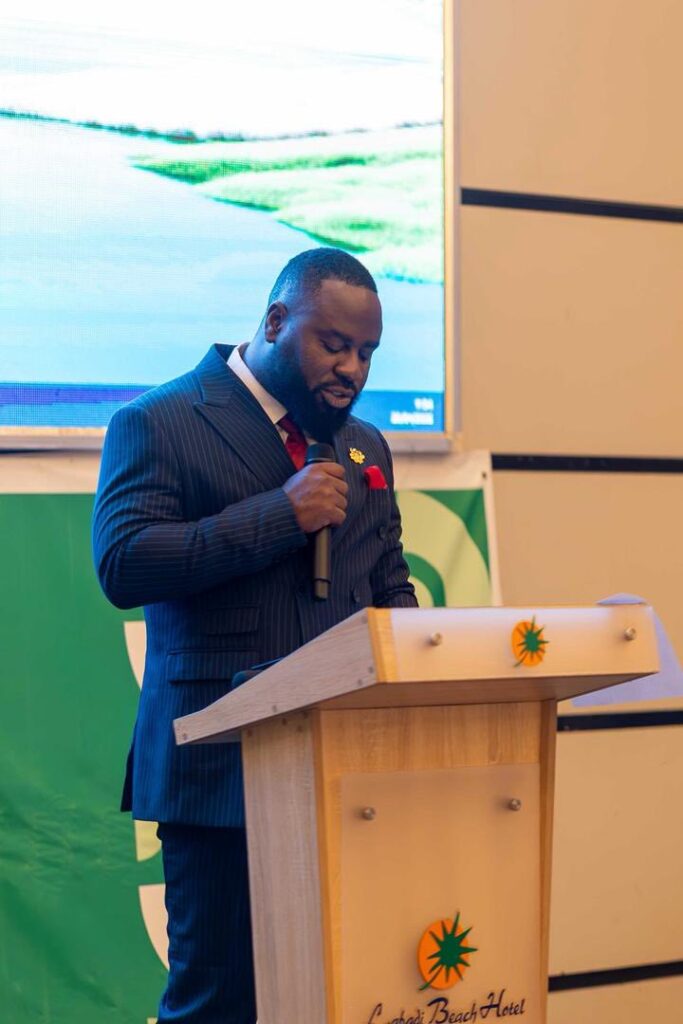
Speaking at the Civil Society National Forum on Energy Transition held at the Labadi Beach Hotel in Accra, Yalley underscored that the shift toward sustainable power must move beyond mere technical adjustments to become a deeply participatory national project.
This initiative aligns with the government’s broader objective of ensuring that the move away from fossil fuels does not leave any segment of the population behind, particularly those in marginalized communities.
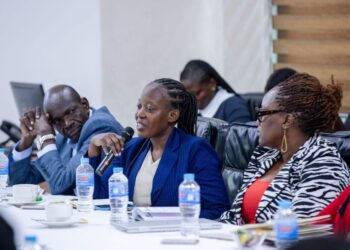
“The forum brought together civil society members, policymakers, and energy sector representatives to discuss Ghana’s energy transition plan. Participants recognized the Energy Commission for being open to working more closely with non-governmental groups.”
Energy Commission of Ghana
This strategic push for inclusivity is designed to bridge the gap between high-level policy formulation and grassroots execution, ensuring that the transition remains socially equitable.
By emphasizing a “just” transition, the Energy Commission aims to foster an environment where green job creation and economic empowerment are prioritized alongside carbon reduction targets.
The commission’s roadmap involves a multi-pronged strategy that includes the rapid decentralization of energy systems and the modernization of digital regulations to accommodate a more complex, multi-source power grid.
This approach is intended to ensure that as the country pivots toward a greener future, the core tenets of energy security and affordability remain uncompromised for the average Ghanaian consumer.
Accelerating Renewables and Infrastructure Modernization
Ghana’s roadmap to 2030 is anchored by the ambitious goal of deriving 10 percent of its total energy mix from renewable sources.
To achieve this, Mr. Yalley highlighted the imperative to “rapidly expand solar power” and transition toward decentralized systems that allow for more localized control of energy production.

This decentralization is key to reaching remote areas that have traditionally been underserved by the central national grid. However, the transition involves more than just generating power; it requires a complete overhaul of the existing infrastructure to handle intermittent renewable inputs.
The Deputy Executive Secretary noted that improving the power grid is a non-negotiable step in this journey.
This includes “accelerating the installation of electric vehicle charging stations” and updating the nation’s digital regulatory frameworks to keep pace with global technological advancements.
By integrating these elements, the Commission seeks to build a resilient energy backbone that can support the burgeoning demands of a modernizing economy while simultaneously reducing the national carbon footprint.
The Role of Civil Society in Oversight and Accountability
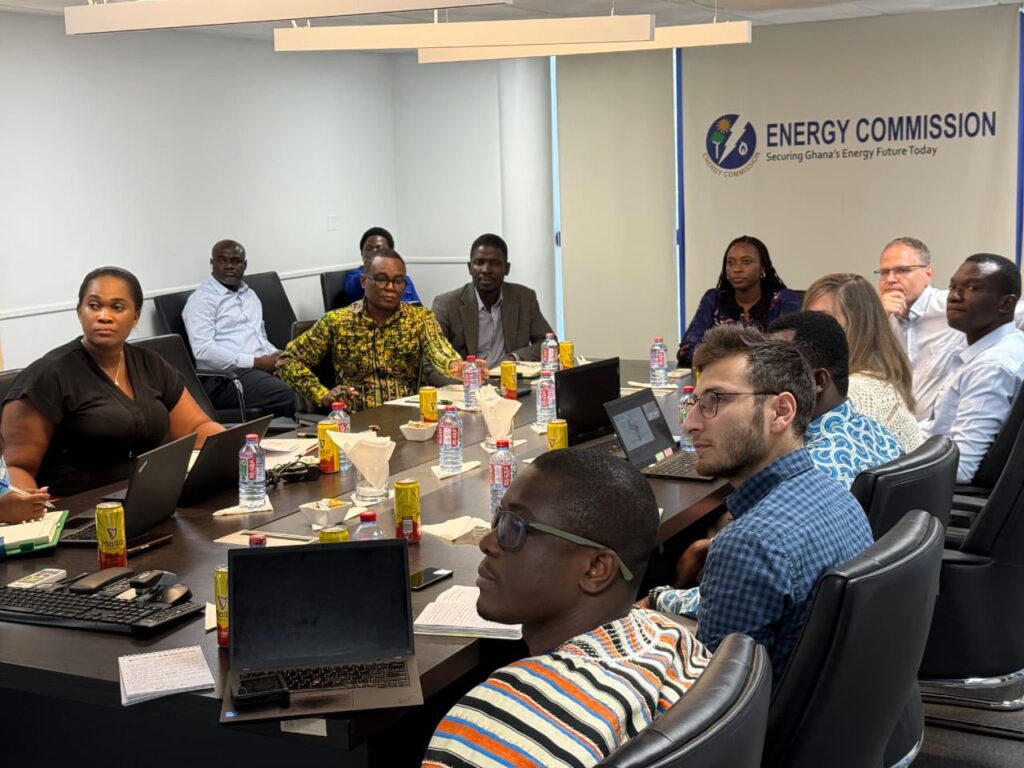
A central theme of the forum was the recognition of non-governmental organizations and civil society as essential watchdogs in the energy sector.
The Energy Commission’s willingness to open its processes to external oversight marks a significant departure from traditional top-down governance. Participants at the Labadi Beach Hotel commended the Commission for its openness, noting that “inclusive energy transition” requires a platform where policymakers and activists can engage in honest dialogue regarding the socio-economic impacts of new energy policies.
By involving civil society, the Commission ensures that the transition remains a “social and economic priority,” rather than a purely industrial one.
This collaborative oversight is expected to mitigate risks of corruption and ensure that the funds allocated for green projects are utilized effectively.
Furthermore, the focus on “green jobs” ensures that the labor force is retrained and equipped for the renewable sector, thereby securing the livelihoods of those who might otherwise be displaced by the phase-out of traditional energy industries.
Enhancing National Energy Sovereignty through Inclusivity
An inclusive transition is a primary driver for enhancing Ghana’s energy sovereignty. By diversifying the energy mix and reducing reliance on imported fuels, the country can insulate itself from the volatility of global oil and gas markets.
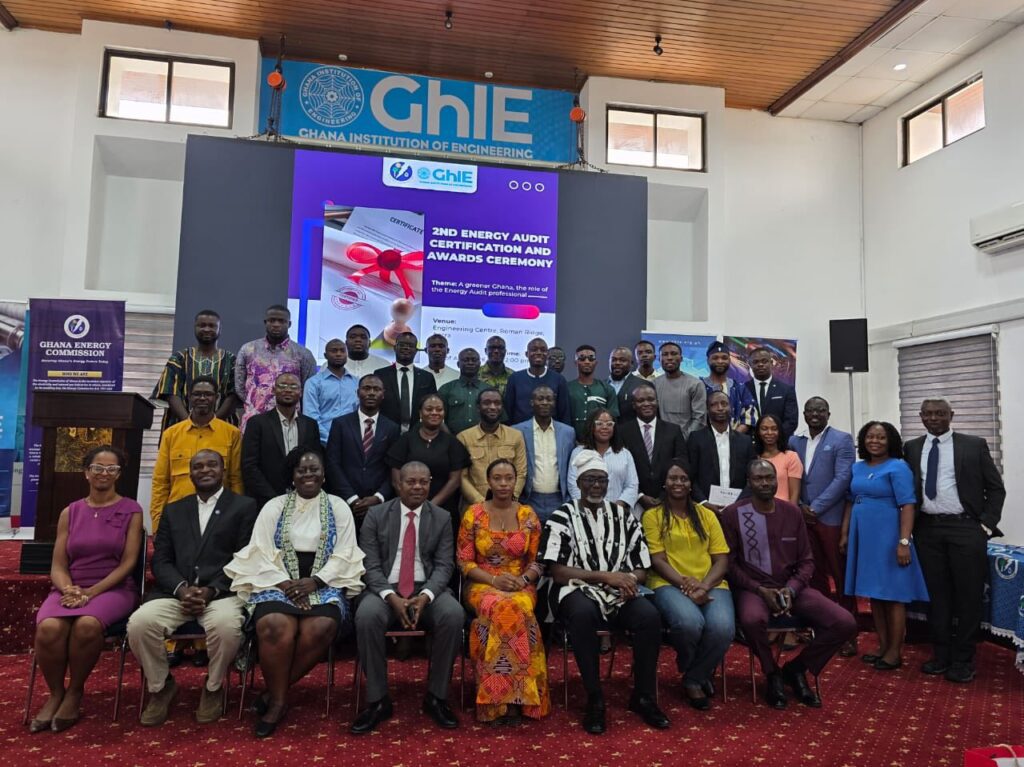
When energy production is decentralized and renewable utilizing Ghana’s abundant solar and wind resources the nation gains greater control over its power destiny.
This localized production reduces the “technical and commercial losses” often associated with long-distance power transmission and minimizes the drain on foreign exchange reserves.
Moreover, sovereignty is bolstered when the domestic workforce leads the transition. An inclusive model ensures that the expertise required to maintain solar farms, wind turbines, and electric vehicle infrastructure is developed locally.
This reduces dependence on foreign technical consultants and proprietary technology. By fostering a domestic “green economy,” Ghana builds an autonomous energy ecosystem where the benefits of power generation wealth, jobs, and stability remain within its borders, creating a self-sustaining cycle of growth and energy independence.
READ ALSO: Honourable Agbodza Demands Accountability Over Delayed Techiman–Sawla Road Project