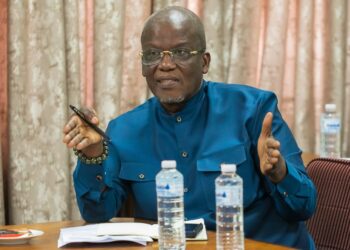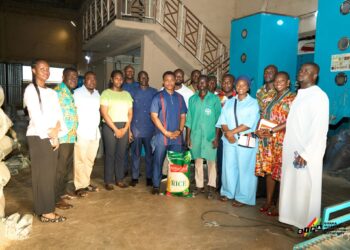

The Minister for Food and Agriculture, Hon. Eric Opoku, has commissioned 25 modern solar-powered boreholes to revolutionize year-round vegetable production across northern Ghana. This infrastructure rollout, executed under the Greater Rural Opportunities for Women (GROW2) Project, marks the government’s approach to climate-resilient farming.
For the Ministry of Food and Agriculture (MoFA), decoupling agricultural productivity from the unpredictable cycles of seasonal rainfall effectively climate-proofs the livelihoods of thousands of farmers in the Northern, Upper West, and Savannah regions. This is a structural intervention to make the “hungry season” a relic of the past for northern households.
“The initiative, implemented by the Ministry of Food and Agriculture in partnership with the Mennonite Economic Development Associates and funded by Global Affairs Canada, will support over 3,000 women in Savings and Loans Groups across the targeted regions”
Ministry of Food and Agriculture
This tripartite partnership combines state executive power, technical implementation expertise, and international development financing to address the root causes of rural poverty. Hon. Opoku noted that the commissioning of these boreholes was a fulfillment of the government’s promise to modernize the agricultural landscape through sustainable technology.
He explained that Solar-powered irrigation is the centerpiece of this modernization, offering a low-maintenance, high-efficiency alternative to traditional fuel-dependent pumping systems that often prove too costly for smallholder farmers to sustain.
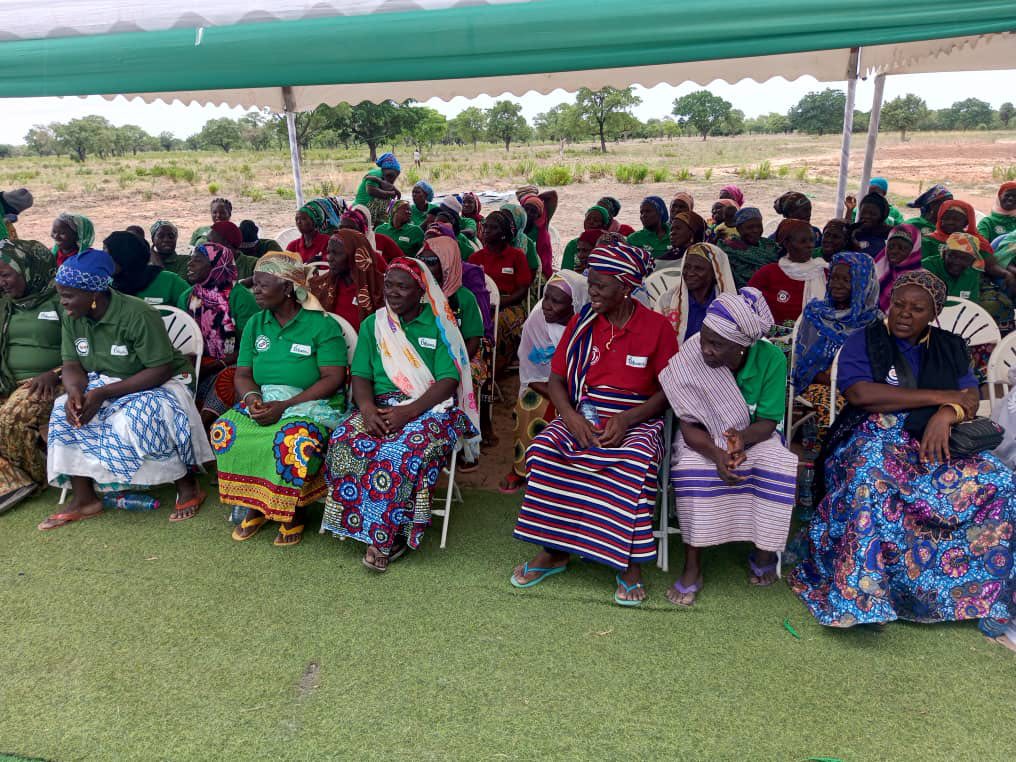
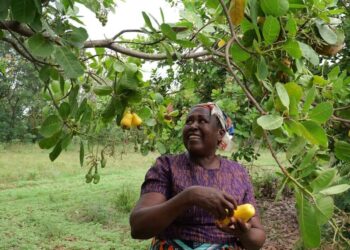
The GROW2 project’s targeted focus on gender-inclusive economic growth is a recognition that when women in northern Ghana are given access to reliable irrigation, the impact on household nutrition and financial stability is exponential.
Through integrating water access with existing financial self-help structures, the project is geared towards ensuring the women have both the resources to grow crops and the capital to reinvest in their farms.
This model of development also recognizes that technology alone is insufficient to break the cycle of poverty, tethering the boreholes to Savings and Loans Groups to foster a culture of ownership and maintenance. According to MoFA, these women are no longer just passive recipients of aid but managers of a vital industrial asset.
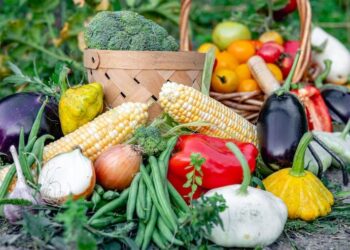
The transition to year-round vegetable production – focusing on high-value crops like tomatoes, onions, and leafy greens – is expected to allow these groups to tap into market demands during the dry season when prices are at their peak, significantly boosting their annual profit margins.
National Food Security
During the commissioning ceremony, Hon. Opoku framed the project as a critical component of the national drive for food security. In an era where global supply chains are increasingly volatile and local climates are shifting, the ability to produce food consistently throughout the year is a matter of national sovereignty.
The Minister emphasized that the 25 boreholes are a “major step toward reducing the country’s reliance on vegetable imports from neighboring countries during the off-season,” empowering northern farmers to produce through the dry months. The Ministry is strengthening the domestic supply chain and stabilizing food prices for the Ghanaian consumer.
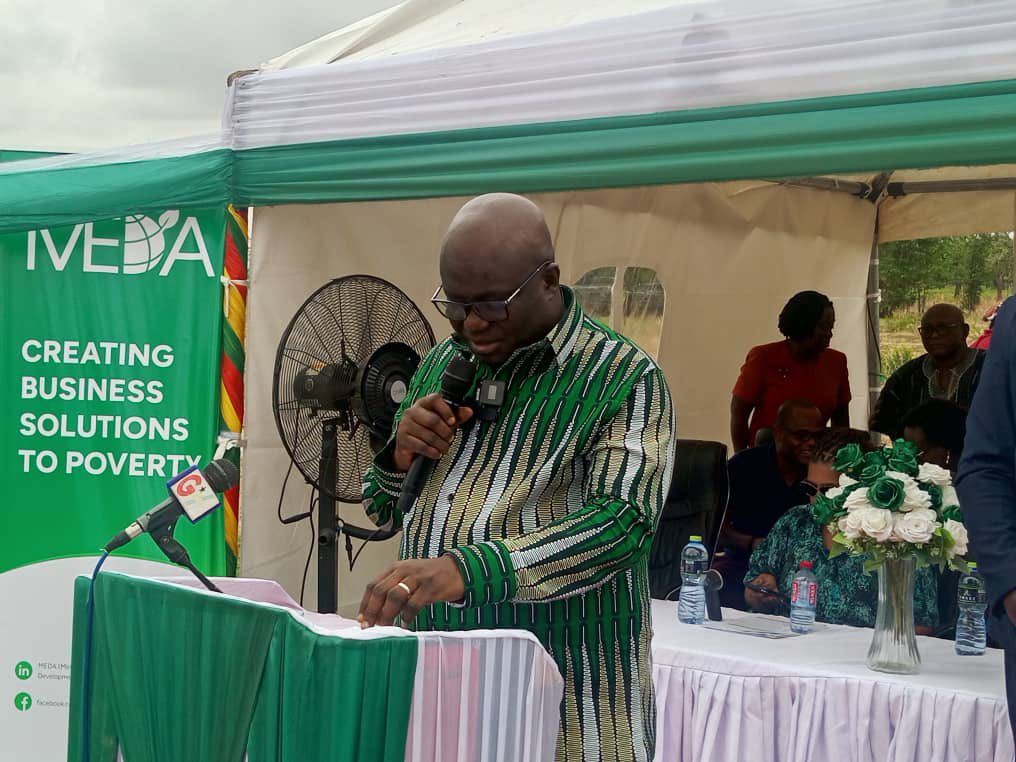
The advantages of solar power in this context cannot be overstated. Unlike diesel generators, which require constant cash flow for fuel and frequent mechanical repairs, solar-powered boreholes utilize Ghana’s most abundant natural resource: sunlight. This ensures that the cost of production remains low for the farmers, even as their output increases.
For MoFA, this is the definition of sustainable agriculture – harnessing renewable energy to drive industrial-scale productivity at the community level. The Minister’s address highlighted that this project is not an isolated event but a part of a broader MoFA strategy to expand the national irrigation footprint.
The government is tapping into vast tracts of fertile land that are typically underutilized for six months every year due to the lack of water through this focus on the Savannah and Northern belts.
“The initiative is aimed at enhancing food security through sustainable agriculture, providing the necessary infrastructure to boost year-round vegetable production in northern Ghana”
Ministry of Food and Agriculture
Working alongside MEDA, the Ministry is keen on equipping the 3,000 women with the knowledge to manage the solar arrays and the irrigation networks efficiently, noting that the sustainability of the GROW2 project hinges on the training provided to the beneficiary groups.
This includes water conservation techniques and best practices for dry-season agronomy. The goal is to create a self-sustaining ecosystem where the infrastructure generates the wealth necessary for its own upkeep, reducing the long-term fiscal burden on the state while maximizing the social return on investment.

As the 25 boreholes begin their operational life, the Ministry is already looking at how this pilot can be scaled. The success of the Savings and Loans Group model in the Northern, Upper West, and Savannah regions provides a blueprint for similar interventions across the country’s arid zones.
Hon. Eric Opoku reaffirmed the government’s commitment to seeking further partnerships with agencies like Global Affairs Canada to replicate this success, reiterating that focused, gender-sensitive, and technology-driven projects can deliver immediate results in the fight against rural stagnation.