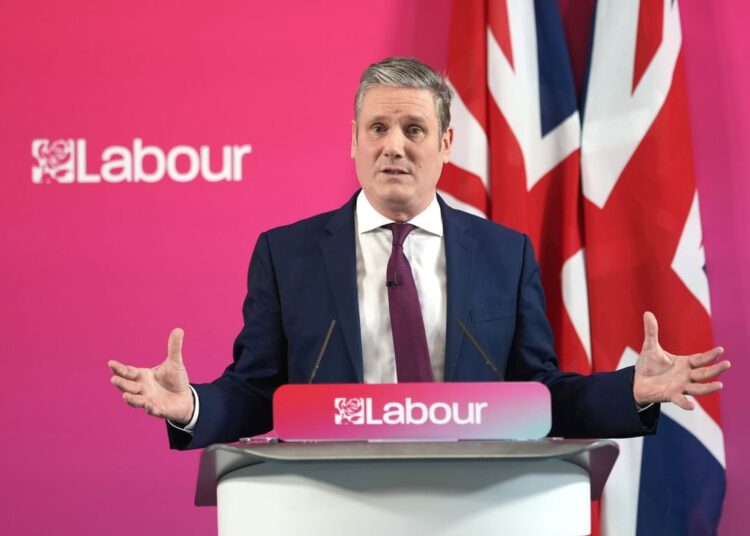
British Prime Minister, Sir Keir Starmer, is facing growing political pressure amid reports that a leadership challenge could emerge as soon as possible, with speculation inside Westminster intensifying over potential moves against his authority despite the Prime Minister insisting he retains “full confidence” in his Health Secretary, Wes Streeting.
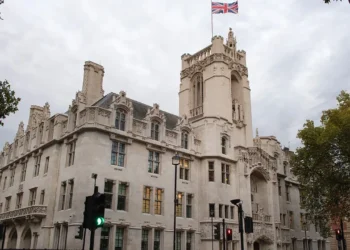
The rumours come in the immediate aftermath of the King’s Speech, where Starmer and loyal cabinet ministers spent the evening meeting Labour MPs in an effort to shore up support and prevent further destabilisation within the party. Senior figures reportedly warned colleagues “not to plunge the party into chaos,” as concerns over unity continue to grow behind the scenes.
Tensions were also visible during Wednesday’s parliamentary debate, where Starmer adopted a lighter tone at points, joking about ongoing leadership speculation.
His remarks followed the response from Conservative leader Kemi Badenoch, who stated that “the starting gun of the Labour leadership contest has been fired,” prompting a wave of reaction in the chamber and further fuelling talk of internal rivalry.
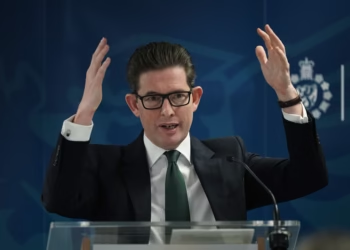
Health Secretary, Wes Streeting, has become a central figure in the speculation, with reports suggesting he could be positioning himself for a potential leadership bid.
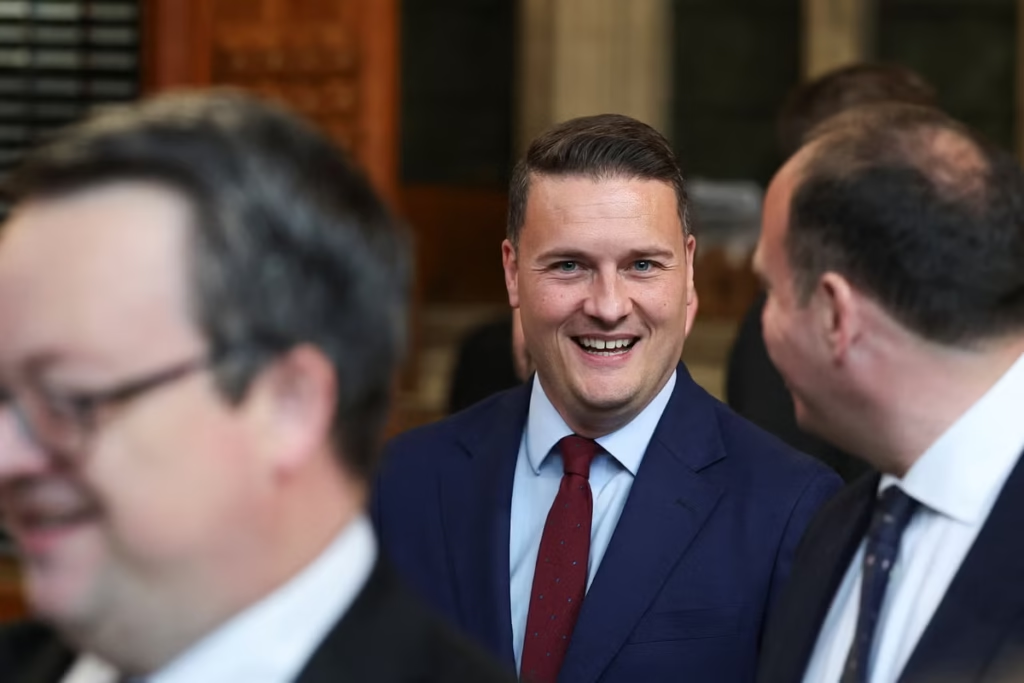
While he was seen reacting positively to some of the prime minister’s remarks in Parliament, political observers say discussions among MPs continue regarding possible succession scenarios should a formal contest materialise. No official challenge has been declared.
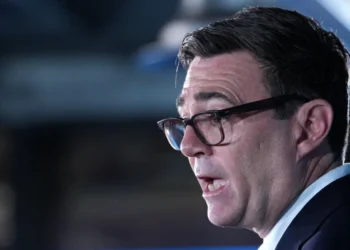
Alongside the leadership rumours, attention has also turned to speculation about whether senior Labour figures might attempt to create a pathway for Greater Manchester Mayor Andy Burnham to return to Westminster.
However, several MPs have moved quickly to dismiss such suggestions.
Afzal Khan, Labour MP for Manchester Rusholme, rejected reports that he intended to step down to facilitate Burnham’s entry into Parliament, calling the claims a “false rumour.”
Similarly, Jeff Smith, MP for Manchester Withington, has also ruled out any plans to vacate his seat, stating he would continue serving his constituents.
Burnham, long seen as a potential leadership contender within sections of the Labour Party, has previously indicated openness to a return to national politics.
However, his lack of a parliamentary seat remains a significant barrier to any immediate leadership transition, making any such scenario dependent on complex political manoeuvring.
The growing speculation comes at a sensitive time for Labour, with the government attempting to focus attention on its legislative agenda while managing internal divisions only months into office.
Outside Parliament, opposition figures have seized on the situation, with Reform UK deputy leader Richard Tice describing Starmer in the Commons as the “most unpopular” Prime Minister in Britain’s history and criticising the government’s economic direction.
Despite the mounting pressure, Downing Street has continued to project confidence, with senior ministers publicly reaffirming their support for the prime minister and stressing the need for stability.
However, the combination of internal speculation, public denials and increasing political commentary has left Labour navigating one of its most uncertain periods since entering government.
Starmer Warns Leadership Challenge Could Trigger “Chaos” as Labour Tensions Intensify

Sir Keir Starmer has warned Labour ministers and MPs that a potential leadership contest could plunge the party into “chaos” as speculation grows that Health Secretary Wes Streeting is preparing an imminent challenge to his authority.
The Prime Minister has been attempting to rally support from increasingly restless MPs following a difficult political period marked by electoral setbacks and internal criticism.
Speaking in the Commons ahead of a series of private meetings with ministers and backbenchers, he defended his government’s direction and set out plans for sweeping reforms across health, housing and immigration, arguing the administration must end “the status quo that has failed working people”.
His intervention comes amid growing instability within Labour ranks. Four ministers have resigned and dozens of MPs are reported to have called for his resignation following heavy losses in recent local elections across England, Scotland and Wales, intensifying pressure on his leadership.
Later on Wednesday evening, the Prime Minister convened two separate meetings with Labour MPs and ministers in Parliament, calling for party unity and cautioning against actions that could undermine the government’s stability. Those in attendance said he warned that a leadership contest would be deeply destabilising, adding that “it would 100% result in chaos.”
Despite these efforts, concerns within the party remain. Some ministers reportedly urged the leadership to adopt a more insurgent style of governing, with Sir Keir acknowledging that changes in approach may be needed.
The political backdrop was further sharpened during parliamentary debate on the King’s Speech, which outlined a broad legislative programme including plans to abolish NHS England, introduce digital ID, restrict jury trials and end the leasehold system in England and Wales. It also included proposals to nationalise British Steel, expand green energy infrastructure and deepen trade ties with the European Union.
Responding in the Commons, Sir Keir described the programme as an “agenda of radical reform across our major public services,” insisting he leads an “urgent, activist, Labour government”.
However, criticism from within his own party has grown louder.
Labour MP Jonathan Brash said the Prime Minister has failed to provide the “hope” the public expected, arguing the challenge facing the party was about policy rather than personality.
READ ALSO: Duke of Sussex Raises Alarm Over Growing Antisemitism in UK