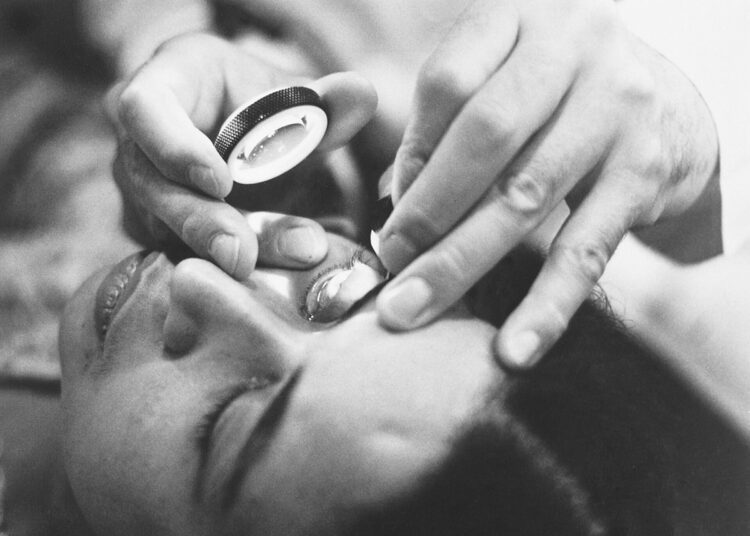
World Health Organization (WHO) has officially validated Tunisia as having eliminated trachoma as a public health problem, marking a significant achievement in the country’s decades-long fight against one of the world’s leading infectious causes of blindness.
The announcement represents a major milestone in Tunisia’s public health journey, achieved after sustained national efforts that have gradually transformed what was once a widespread and debilitating disease into a condition no longer considered a public health threat in the country.
Dr Tedros Adhanom Ghebreyesus, WHO Director-General, praised Tunisia’s achievement as a landmark success in public health.
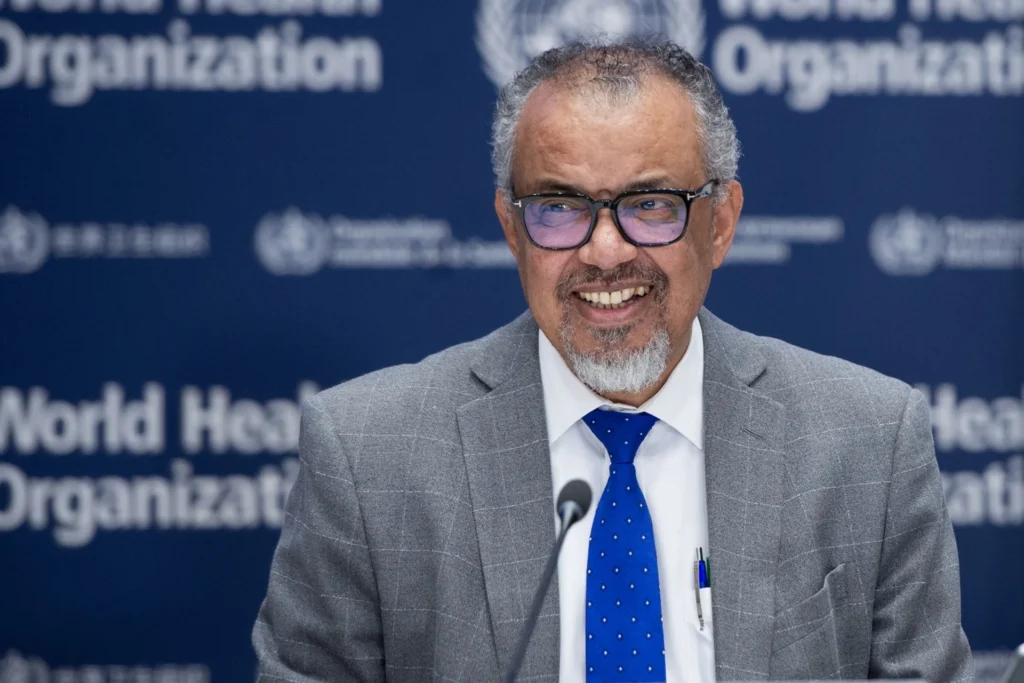
“Eliminating trachoma shows what long-term political commitment, strong primary health care and teamwork can do. Tunisia has proven that even the world’s leading infectious cause of blindness can be overcome.”
Tedros Adhanom Ghebreyesus
Trachoma, a bacterial eye infection that can lead to irreversible blindness if untreated, is strongly associated with poor sanitation, limited access to clean water and inadequate hygiene practices. It disproportionately affects vulnerable and underserved communities.
In Tunisia, the disease was once widespread, with estimates suggesting that in the early to mid-20th century it affected at least half of the population, particularly in southern regions.
Moreover, WHO Regional Director for the Eastern Mediterranean, Dr Hanan Balkhy, also welcomed the milestone, commending Tunisia’s elimination of trachoma as a public health issue.

She noted that, “This is a major achievement that reflects sustained and consistent national commitment over many years and shows what is possible when a country remains focused on addressing preventable causes of blindness.”
Over the years, Tunisia implemented a comprehensive national response based on the WHO-recommended SAFE strategy, which combines Surgery for advanced cases, Antibiotics to clear infection, Facial cleanliness to reduce transmission, and Environmental improvements, particularly expanded access to clean water and sanitation.
Authorities also carried out nationwide screening and treatment campaigns, strengthened integration of eye care into primary health services and school health programmes, and worked closely with communities to promote hygiene awareness and behavioural change. These combined efforts significantly reduced transmission and helped bring infection rates down to elimination levels.
According to Dr Mustapha Ferjani, Minister of Health of Tunisia, the “validation marks a historic achievement for Tunisia and reflects our country’s long-standing commitment to public health, prevention and equity.”

“This milestone is the result of decades of coordinated national efforts, with the dedication of generations of health-care professionals, local communities who worked tirelessly to expand access to care, strengthen prevention and improve eye health across the country. Tunisia remains committed to sustaining these gains and protecting future generations.”
Dr Mustapha Ferjani
WHO noted that Tunisia’s success was also supported by broader improvements in public health infrastructure, including expanded primary health care coverage and significant progress in water and sanitation systems, which helped reduce transmission over time.
A post-validation surveillance system has now been established to ensure that any potential re-emergence of the disease is detected early. This includes continued case management capacity and ongoing training for health professionals.
Moreover, Dr Ahmed Zouiten, Acting WHO Representative in Tunisia, stated that, “The validation of elimination of trachoma as a public health problem in Tunisia reflects the impact of sustained collaboration between the Ministry of Health and WHO in achieving public health gains across the country.”

Tunisia now joins a growing number of countries that have eliminated trachoma, contributing to global efforts to eliminate neglected tropical diseases as part of the Sustainable Development Goals.
WHO Expands Trachoma Elimination Success
WHO has expanded its global progress in the fight against trachoma following the validation of Tunisia as the first country in the world to eliminate the disease as a public health problem.
The announcement strengthens global momentum under the World Health Organization’s (WHO) 2021–2030 road-map for neglected tropical diseases, which aims to accelerate control, elimination and eradication efforts across endemic regions.
Trachoma, a bacterial eye infection associated with poor sanitation and limited access to healthcare, remains one of the leading causes of preventable blindness in impoverished communities in tropical areas.
Its elimination has been a long-standing global health priority, with coordinated international efforts dating back to 1996 when WHO launched the Global Elimination of Trachoma by 2020 (GET2020) initiative. The programme brought together governments, non-governmental organisations and academic institutions to scale up prevention and treatment strategies, a framework that continues today under updated 2030 targets.

Tunisia’s validation, therefore, places it among a growing group of countries validated by WHO for eliminating trachoma, including Ghana, India, China, Morocco, Nepal, Egypt, Malawi and others across Africa, Asia, the Middle East and the Pacific.
The country’s success marks a significant milestone, making it the 31st globally to achieve elimination status and the 14th in the WHO Eastern Mediterranean Region to eliminate at least one neglected tropical disease.
READ ALSO: Sybiha Slams Russia’s Attack Amid Trump-Xi Meeting