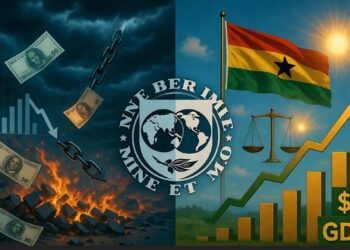
The International Monetary Fund has wrapped up its sixth review mission, leaving the entire nation on the edge of its seat in what has become one of the most thrilling chapters in Ghana’s modern economic history.
After weeks of intense negotiations, Ghana has delivered staggering progress under the Extended Credit Facility programme, yet a gripping cliffhanger remains. Will this be the moment that catapults the country into unstoppable prosperity?
What began as a desperate rescue mission in 2023 has transformed into an inspiring tale of resilience, discipline, and bold vision. Ghana refused to crumble. Instead, it fought back with courage and smart reforms that are now yielding jaw-dropping results.
From Economic Crisis to Phoenix Rising
Just a few years ago, Ghana stared into the abyss of economic collapse. Inflation spiraled out of control, the currency trembled, and investor confidence hit rock bottom.
Today, the story could not be more different. The visiting IMF team has witnessed firsthand how far the nation has come. Significant progress has been recorded across multiple key targets and structural reforms.
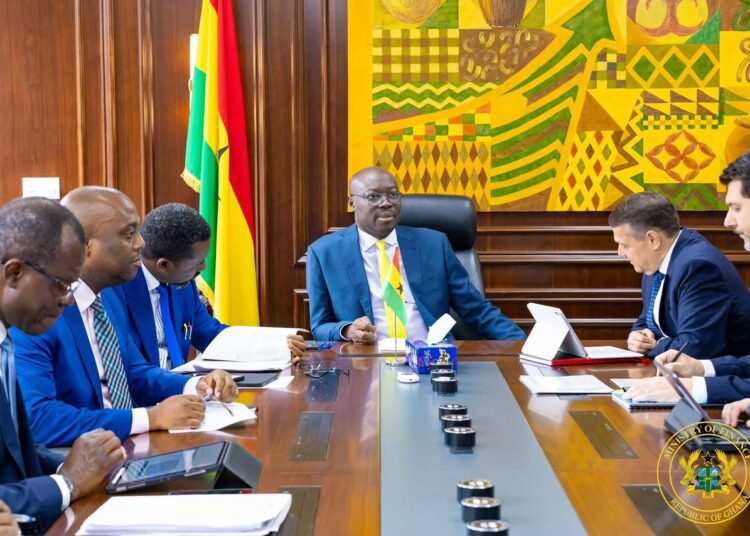
Finance Minister Dr Cassiel Ato Forson captured the mood perfectly during his powerful opening engagement. He described the journey as long, demanding, yet ultimately transformative. Under the leadership of President John Mahama, Ghana has stabilized its economy, restored international credibility, and reignited hope in the hearts of millions of citizens.
The numbers tell an inspiring story. The Bank of Ghana’s reserves have climbed to record levels, creating a formidable shield against global shocks. Inflation is on a steady downward path, projected to reach a comfortable 7.9 percent by the end of 2026. These achievements did not happen by chance. They are the direct result of tough but necessary decisions taken in the national interest.
Ato Forson’s Bold Vision for a New Ghana
Dr Forson stood tall as he addressed the IMF delegation, radiating confidence. He highlighted the strong and measurable outcomes of the government-IMF partnership. Macroeconomic stability has been restored. Credibility has returned. Most importantly, hope is alive again across the country.
Yet the Finance Minister was quick to point forward. He emphasized that the real victory lies ahead. The next phase of the programme will focus sharply on unlocking private sector growth. The goal is crystal clear: turn macroeconomic gains into tangible benefits for ordinary Ghanaians through more investment, more jobs, and greater opportunities for all.
This forward-looking approach has excited analysts and citizens alike. Ghana is no longer just surviving. It is positioning itself to thrive in a competitive global environment.

Nail-Biting Uncertainty Keeps Nation on Edge
Despite the impressive achievements, the sixth review has delivered a dramatic cliffhanger. While Ghana made major strides on fiscal targets, energy sector reforms, debt management, and monetary stability, some critical issues remain unresolved. As of the conclusion of the mission, it was still unclear whether a Staff-Level Agreement had been sealed.
The whole country now waits with bated breath for today’s joint press conference. Every Ghanaian, from market traders in Makola to business leaders in Airport City, is eager for positive news. Will the IMF team recommend immediate progression to the Executive Board, or will additional prior actions be required before the August 2026 approval?
This suspense only adds to the sweetness of the moment. Ghana has already proven its commitment. The final staff report is widely expected to shower praise on the country’s dedication to reforms even amid tough global headwinds.
Bright Economic Outlook Fuels Massive Optimism
The IMF’s projections have poured fuel on the fire of national confidence. Ghana’s 2026 growth is forecast at a robust 4.8 percent, outperforming the Sub-Saharan African average of 4.6 percent. This is remarkable considering the rising energy costs and geopolitical tensions battering the global economy, where overall growth has been revised down to 3.1 percent.
The monetary and banking sectors have shown particularly strong performance. Record reserve levels provide a powerful buffer. Structural reforms in energy and debt are bearing fruit. The disinflation process remains firmly on track, with single-digit inflation expected to stay consistent through 2026 and 2027.
These figures are more than statistics. They represent lives changed, businesses revived, and futures secured. Ghana is steadily moving from stabilization to accelerated growth, and the momentum feels unstoppable.
A Journey Worth Celebrating
The Extended Credit Facility, approved in May 2023 with access to approximately US$3 billion, has been a game-changer. At the fifth review, performance was already described as broadly satisfactory. The sixth review has taken that success even further despite some delays in structural benchmarks.
President Mahama and his team deserve immense credit for steering the ship through turbulent waters with discipline and determination. Their efforts have not only impressed the IMF but have also restored pride and optimism among Ghanaians at home and in the diaspora.
As the press conference looms, one thing is certain: Ghana has earned the right to celebrate. This is a nation that faced its deepest fears and emerged stronger, wiser, and more determined than ever.
The Future Looks Brighter Than Ever
The dramatic cliffhanger of the sixth review is not a sign of failure. It is proof of how seriously both Ghana and the IMF are taking this partnership. Every remaining issue will be tackled with the same resolve that has brought the country this far.
Ghana stands on the cusp of something truly special. With continued fiscal discipline, private sector empowerment, and citizen-focused policies, the coming years promise an economic golden age. Investors are watching. Markets are noticing. The world is taking note. The dramatic end to the IMF review is not the finale but the thrilling beginning of an even greater success story.