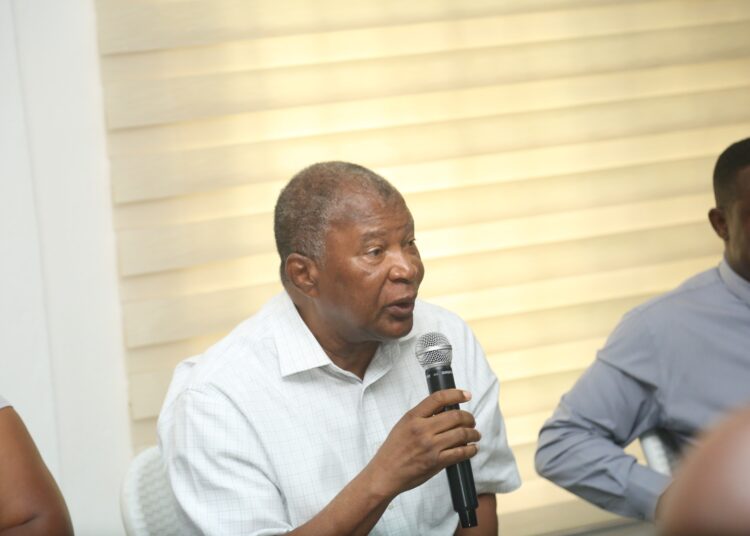
Dr. Charles Mensa, Founder and Chairman of the Institute of Economic Affairs (IEA), has made a passionate plea for a radical shift in Ghana’s extractive sector policy, calling on the government to cultivate indigenous “local giants” to take over the management of the nation’s vast mineral wealth.
Speaking in an interview with The Vaultz News, Dr. Mensa highlighted the irony of a nation selling off its primary assets while struggling to service mounting debts, arguing that the true path to sustainable development lies in reclaiming ownership of gold, manganese, and diamond mines that have long been surrendered to foreign multinationals.
“Let’s look for them and see how we can support them. Let’s look for our Dangotes. They are over here. They may be small, but we can grow them. Hopefully, when we grow them, we can keep their money where their mouths are and create job opportunities for us. “
Dr. Charles Mensa

The IEA Chair emphasized that the current economic architecture, which relies on seeking external loans to pay interest on debts while vital resources remain in foreign hands, is no longer tenable.
He suggested that the government should transition from a model of total resource divestment to one where the state owns the resources and merely contracts out technical services to the private sector.
By nurturing local entrepreneurs to reach the scale of regional industrial titans, Ghana can ensure that the capital generated from its soil remains within the domestic economy to foster industrialization and long-term stability.
Reclaiming Ownership Amidst Debt Burdens
According to Dr. Mensa, the “huge low-hanging asset” that Ghana currently ignores is the direct ownership and management of its minerals.
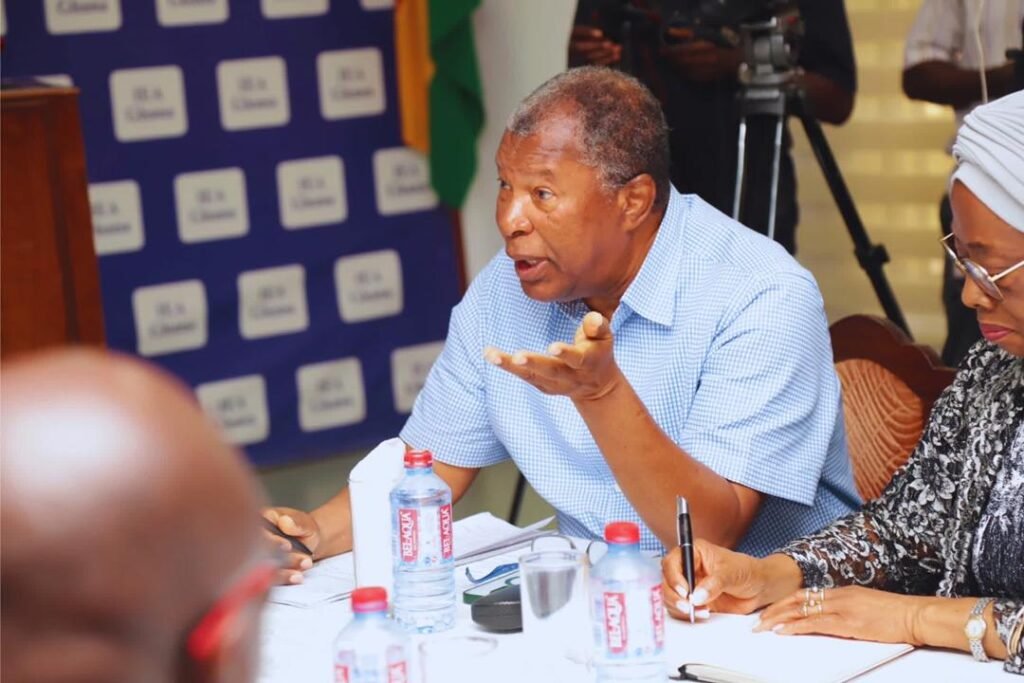
He pointed out that while the state is busy “selling our assets” to meet fiscal obligations, it is simultaneously losing the very leverage needed to “pay our way out for development.”
The current paradigm essentially locks the country out of its own wealth, leaving the government to scramble for credit facilities on the international market.
The IEA Founder argued that this cycle of dependency is a result of a historical lack of confidence in the local private sector.
He urged a change in mindset, noting that “they may be small, but we can grow them.” By strategically supporting “our Dangotes ” and smaller indigenous firms, the state can build a resilient economic base that is not susceptible to the profit repatriation common with foreign conglomerates.
The Success of African Industrialists as a Blueprint
To illustrate that local ownership is achievable, Dr. Mensa cited the example of Nigerian industrialist Aliko Dangote, who has successfully scaled massive projects across the continent.
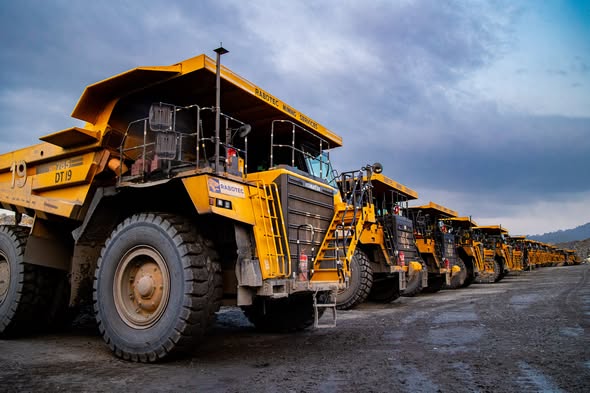
He noted that Dangote is “building another huge $20 billion or $25 billion oil refinery” in Kenya, adding to his existing infrastructure in Nigeria.
This, he argued, proves that “a local” can manage complex, large-scale industrial assets if given the necessary institutional support and environment to thrive.
The IEA suggests that Ghana must actively “look for them and see how we can support them” to replicate such success stories within the mining sector.
Growing these domestic players is seen as a strategic move to “keep their money where their mouths are,” ensuring that the profits from gold and manganese are reinvested into local infrastructure and “create job opportunities” for the youth, rather than flowing out to offshore shareholders.
Structural Reforms for Mineral Independence
While the government reviews mining laws to increase indigenous participation, Dr. Mensa’s call aligns with the need for “equity participation and technology transfer.”

The goal is for Ghanaian firms to scale from being mere sub-contractors or “service providers” to becoming “innovators” and full owners of major mining projects.
By providing local companies with the right “financing, technology, and regulatory support,” the state can finally bridge the gap between resource abundance and economic prosperity.
Dr. Mensa concluded that the shift is not just about ownership, but about building the “capacity and commitment to manage large-scale operations responsibly,” thereby ending the era where foreign firms “keep disproportionately high shares of the output” while the nation remains in financial distress.
READ ALSO: Double Track Ends in 2027 as Mahama Unveils $300m SHS Upgrade Plan