The Ministry of Health has issued a nationwide public health alert following confirmed outbreaks of Ebola Virus Disease in the Democratic Republic of the Congo and Uganda, urging the public to remain vigilant as preparedness measures are intensified. Authorities have confirmed that Ghana has not recorded any suspected or confirmed cases of the disease.
The Ministry of Health says it is working closely with international partners, including the World Health Organization and the Africa Centres for Disease Control and Prevention, to strengthen the country’s disease surveillance and emergency response systems.
The Health officials indicate that precautionary measures have already been activated at major entry points and health facilities nationwide to prevent any possible importation of the virus.
Enhanced screening and surveillance measures have been deployed at airports, seaports, and land borders, with particular attention to travellers arriving from affected countries. Health authorities also confirm that monitoring systems have been intensified to detect and track any potential cases at the earliest stage.
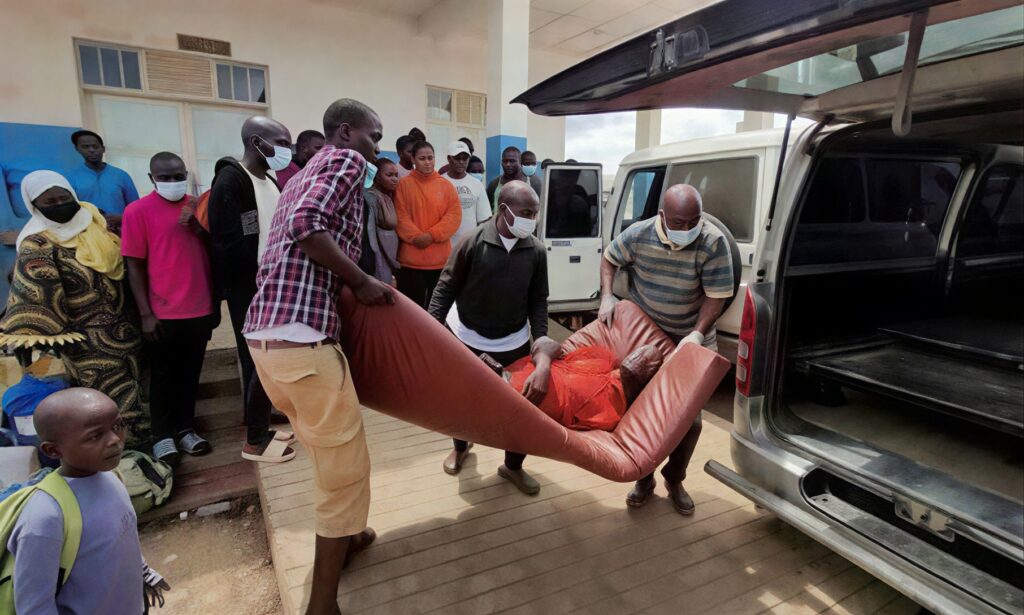
The Ministry further states that health workers across the country are undergoing training to improve their capacity to identify, isolate, and safely manage suspected cases. Emergency coordination systems and rapid response mechanisms have also been activated as part of national preparedness efforts.
Public health education and risk communication campaigns are being scaled up to ensure citizens are well informed about the disease and its prevention. Authorities say community awareness is critical in reducing panic and ensuring early reporting of suspected symptoms.
Ebola Virus Disease is a severe and often fatal illness transmitted through direct contact with the bodily fluids of infected persons or contaminated surfaces. Health officials explain that symptoms include fever, weakness, headache, vomiting, diarrhoea, and, in severe cases, internal or external bleeding.

The Ministry has advised the public to maintain strict hygiene practices, including frequent handwashing with soap under running water or the use of alcohol-based hand sanitizers. Citizens are advised to avoid direct contact with sick persons and any exposure to bodily fluids.
Authorities further warn against handling dead bodies without appropriate protective equipment and discourage contact with sick or dead wild animals. The public is also urged to ensure that all meat is properly handled and thoroughly cooked before consumption to reduce the risk of infection.
Individuals who develop symptoms consistent with Ebola are advised to report immediately to the nearest health facility for assessment. The Ministry has also cautioned against misinformation and urged the public to rely exclusively on official updates from the Ministry of Health and the Ghana Health Service.
Heightened Regional Risk Prompts Expanded Surveillance Measures
Health authorities have expressed concern over the increasing spread of Ebola in parts of the African continent, noting that cross-border movement through air and land routes poses a significant public health risk.
The Ministry of Health explains that the activation of emergency coordination systems forms part of government efforts to prevent any possible importation of the disease into Ghana and adds that surveillance systems have been reinforced to ensure early detection and rapid response to any suspected case.

Authorities stress that Ghana’s health institutions remain on high alert and continue to monitor regional developments in collaboration with international partners. They reiterate that preparedness efforts are being strengthened to safeguard public health and ensure swift containment if necessary.
The Ministry also emphasises the importance of public cooperation in preventing the spread of infectious diseases. Citizens are encouraged to observe preventive measures, report symptoms early, and support ongoing public health interventions.
The Ministry maintains that timely reporting, strict adherence to hygiene practices, and accurate information sharing remain essential tools in controlling highly infectious diseases such as Ebola and also assures the public that all necessary steps are being taken to protect the country from any potential outbreak.
READ ALSO: Mahama Declares End of Africa’s Donor Dependency at World Health Assembly