The Ministry of Fisheries and Aquaculture Development (MoFAD) has initiated a high-level strategic partnership with the United Arab Emirates (UAE) to accelerate capital inflows and technical integration within Ghana’s fisheries and mariculture sectors.
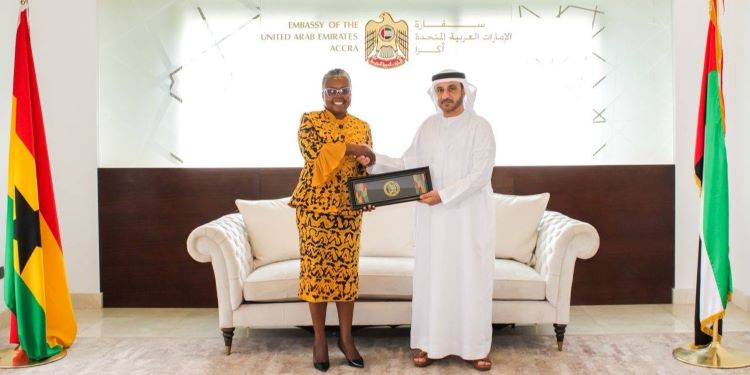
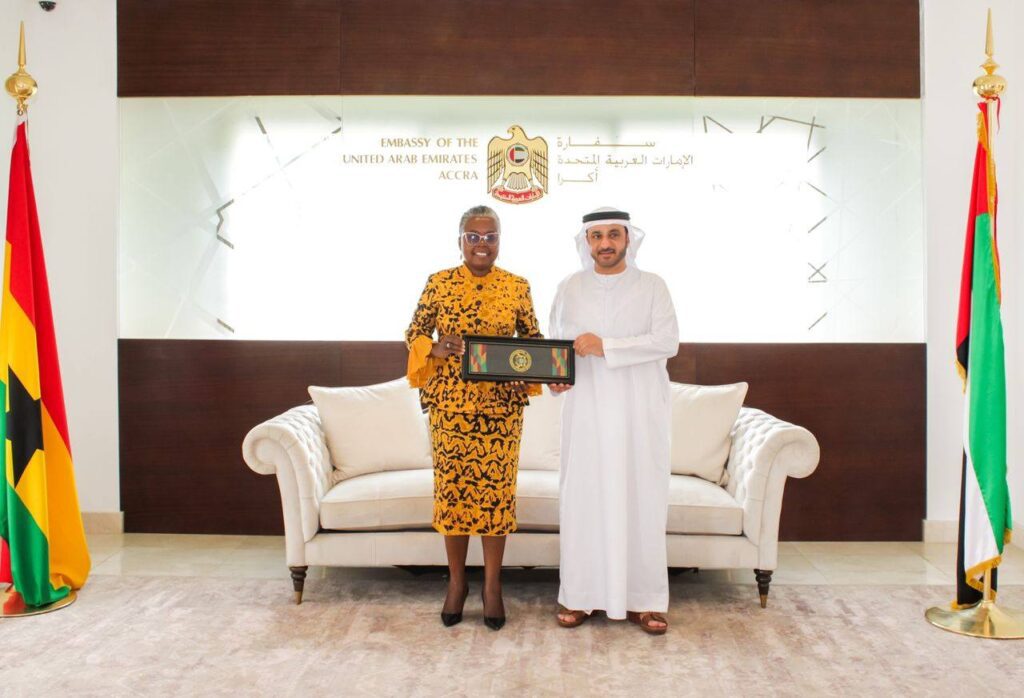
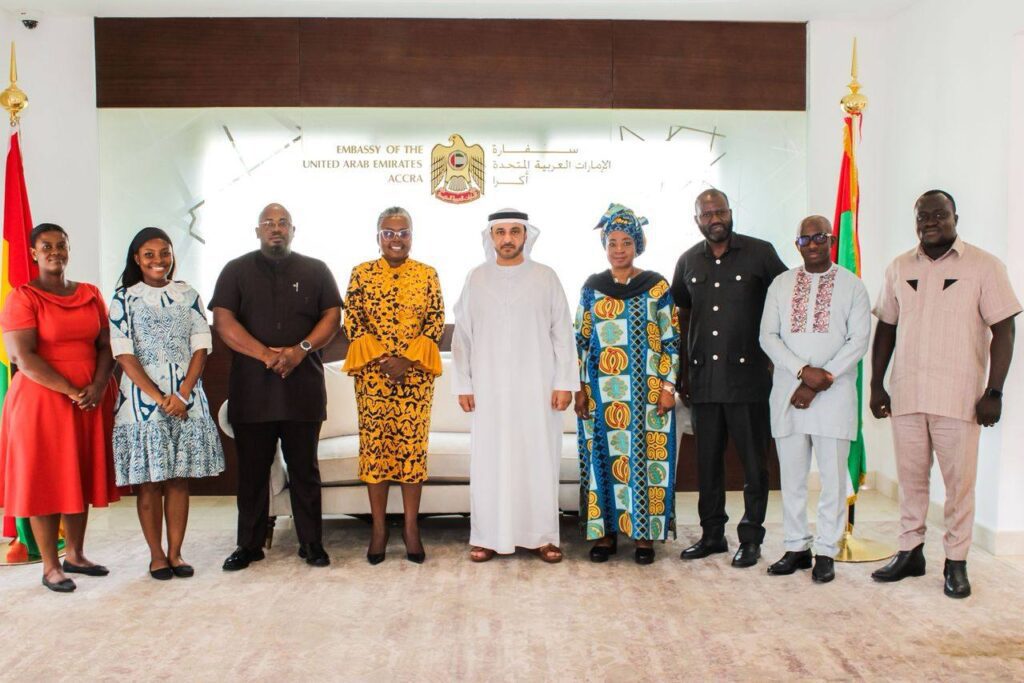
Minister for Fisheries and Aquaculture, Hon. Emelia Arthur, formalized this engagement during a strategic meeting with the UAE Ambassador to Ghana, H.E. Dr. Abdulla Al Mandoos, at the UAE Embassy in Accra.
According to MoFAD, the diplomatic intervention targeted the dual objectives of securing large-scale foreign direct investment for state-backed mariculture infrastructure and opening direct logistics channels for fish exports into the Gulf Cooperation Council markets.
“The meeting focused on strengthening collaboration between Ghana and the United Arab Emirates in areas such as fish production, exports, mariculture development, and investment in the fisheries industry”
Ministry of Fisheries and Aquaculture Development
This shift represents a deliberate departure from localized resource management toward an export-oriented industrial model capable of transforming Ghana’s maritime economy, aligning local regulatory frameworks with international logistics platforms, to construct a highly resilient, globally integrated maritime value chain.
The Ministry described the alignment between Accra and Abu Dhabi as arriving at a key juncture for West Africa’s blue economy, which has long struggled with undercapitalization and the biological depletion of wild marine stocks. Engaging with the UAE, a global superpower in logistics, cold-chain infrastructure, and trade facilitation, is expected to aid Ghana’s primary production of aquatic proteins.
Ambassador Al Mandoos underscored the UAE’s explicit interest in partnering on ocean-related initiatives, emphasizing that sustainable investments must be built on a deep understanding of Ghana’s localized resources and structural infrastructure needs.
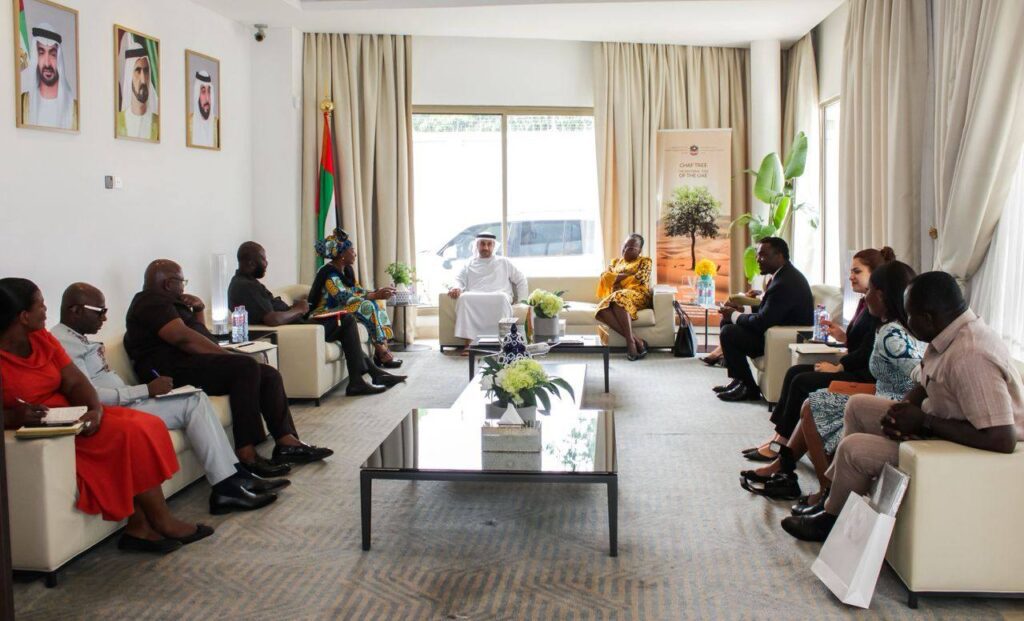
The partnership is intended to bridge the gap between Sub-Saharan Africa’s production potential and the high-liquidity markets of the Middle East, establishing highly efficient trade routes that minimize transaction times and maximize the shelf-life of high-value seafood exports.
This global market integration relies heavily on eliminating the inefficient supply chain intermediaries that have deflated the profit margins of African producers by creating direct state-to-state and corporate-to-corporate trade corridors for Ghanaian fish exporters to gain direct access to premium distributors in Dubai and Abu Dhabi.
This logistical optimization not only increases the dollar value per metric ton of Ghanaian seafood exports but also incentivizes local commercial fishers to scale up their operations, knowing they have a secure, high-yield international off-taker.
Commercial Mariculture Infrastructure
At the core of MoFAD’s modernized blueprint is a massive transition toward mariculture development, which involves the cultivated farming of marine organisms in open-ocean enclosures or sophisticated land-based facilities.
Since traditional artisanal fishing, while culturally foundational and vital for immediate coastal livelihoods, cannot sustain the consistent, high-volume output required to satisfy premium international buyers, advanced Emirati aquaculture technologies – including automated feeding arrays, biological monitoring systems, and climate-resilient hatcheries – are being sought after.
MoFAD noted that with them, Ghana can bypass seasonal catch volatility and create a highly predictable, year-round harvest schedule. The industrialization of marine farming will provide a dual macroeconomic hedge, protecting the domestic market from food insecurity while generating a continuous stream of non-traditional export revenue for the state.
Furthermore, commercial mariculture will allow the Ministry to strictly manage ecological boundaries, offering a sustainable alternative to open-sea trawling, which often disrupts marine habitats. The introduction of managed aquatic zones along the coast is expected to attract private equity firms looking for sustainable, environmental, social, and governance-compliant asset placements.
This capital can then be used to fund the heavy infrastructure required for advanced mariculture, such as offshore automated cages and computerized processing hubs, positioning Ghana as a technological leader in West African aquaculture.
A critical bottleneck that has restricted Ghanaian seafood from entering the most lucrative global markets is the rigorous demand for sanitary and phytosanitary traceability. Addressing this challenge directly, Hon. Arthur placed significant emphasis on strengthening compliance within the domestic fisheries sector.
To make Ghana an attractive destination for institutional Emirati capital, MoFAD is preparing to roll out upgraded regulatory frameworks to eliminate illegal, unreported, and unregulated fishing while standardizing the biochemical auditing of all export-bound products.
“The Minister also underscored the importance of strengthening compliance within the fisheries sector through collaboration and support from development partners, while expanding opportunities in mariculture”
Ministry of Fisheries and Aquaculture Development
The long-term economic architecture of the MoFAD-UAE framework extends beyond raw extraction and farming into downstream processing depth. The Ministry intends to utilize upcoming public-private partnerships funded by UAE investors to construct localized canning factories, automated filleting plants, and specialized flash-freezing installations along Ghana’s coastal economic zones.
This industrial footprint is to transform the nature of local employment, shifting coastal youth from volatile, subsistence-level seafaring into stable, technical, and administrative roles within a structured manufacturing ecosystem.
The downstream processing ensures that the economic multipliers of the fisheries sector remain within the borders of Ghana, with localized processing creating a vast secondary economy, boosting domestic packaging industries, specialized transport logistics, and technical maintenance services.
As technical committees from both nations move to translate these high-level diplomatic discussions into actionable memoranda of understanding, the focus remains firmly locked on immediate operationalization.
READ ALSO: Acting Attorney General Defends Settlement Fund For Trump Allies