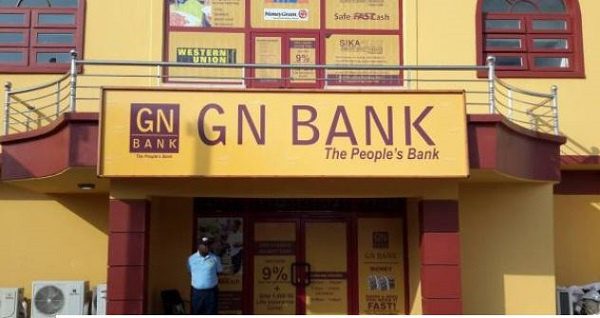
The Court of Appeal has unanimously restored the operating licence of GN Savings and Loans Company Limited, overturning the Bank of Ghana’s 2019 decision that revoked the institution’s licence during the financial sector cleanup exercise.
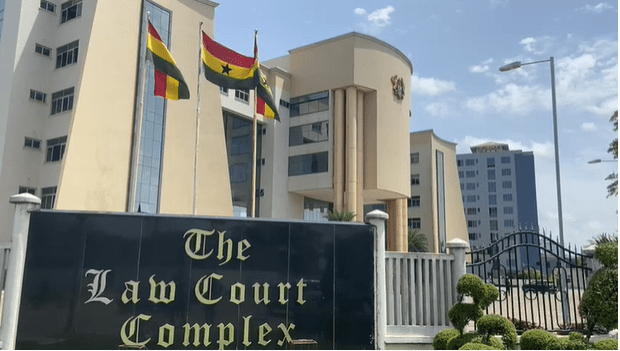
A three member panel of the Court of Appeal quashed an earlier High Court decision and ruled that the central bank’s action was “unfair and unreasonable”. The ruling effectively reinstates the company’s right to operate and directs the return of its assets and management to its shareholders.
The decision marks a significant turn in one of Ghana’s longest running financial sector disputes linked to the restructuring and consolidation of banks and savings and loans institutions between 2017 and 2019.
Court Orders Full Asset Restoration
The Court of Appeal further ordered the designated receiver to immediately transfer possession, management, and control of all assets and operations back to GN Savings and Loans Company Limited.
This directive restores operational authority to the company’s shareholders, reversing years of state led receivership following the Bank of Ghana’s intervention.
The ruling implies that all administrative and operational control exercised by the receiver since 2019 must now be handed back, pending full compliance with the court’s order.
Background to the Financial Sector Cleanup
GN Savings and Loans traces its origins to GN Bank under Groupe Nduom, which was later downgraded to a savings and loans institution before its licence was revoked on 16 August 2019.
The Bank of Ghana justified the revocation as part of a broader financial sector cleanup, citing severe insolvency challenges and a negative capital adequacy position. The regulator’s action formed part of sweeping reforms that affected several banks and financial institutions at the time.
The decision triggered legal and public debate, particularly among affected institutions that argued that the cleanup process did not fully account for outstanding government obligations and inter institutional debts.
Legal Challenge and Court Proceedings
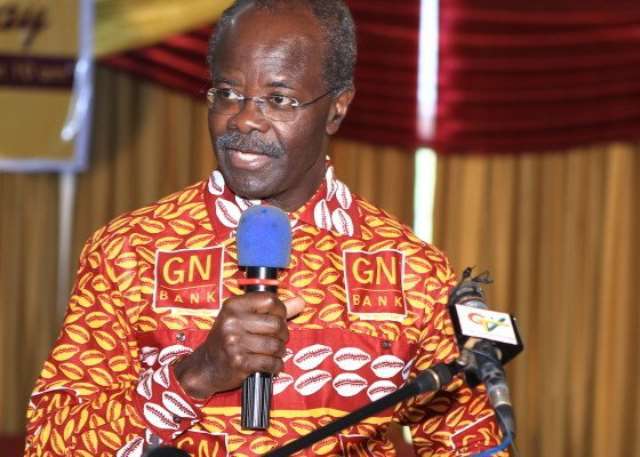
Following the revocation, the Chairman of Groupe Nduom, Dr. Papa Kwesi Nduom, filed a human rights lawsuit against the Bank of Ghana, the Minister of Finance, and the Attorney General.
He contended that the institution was solvent at the time of the revocation and argued that the government failed to account for over GH¢600 million in debts owed to his contractors. The suit challenged both the legality and fairness of the central bank’s decision.
In January 2024, the Accra High Court dismissed the application, ruling that the Bank of Ghana acted lawfully and reasonably in revoking the licence in order to protect depositors and safeguard financial stability.
However, Groupe Nduom pursued an appeal, leading to further proceedings at the Court of Appeal.
Appeal Process and Final Ruling
In February 2026, the Court of Appeal granted the Bank of Ghana leave to file written submissions as part of the appeal process. Both parties were subsequently directed to submit final arguments to facilitate a definitive judgment.
The appellate court’s final decision has now overturned the earlier High Court ruling, siding with GN Savings and Loans Company Limited on the grounds that the revocation was not justified under the circumstances presented.
The judgment is expected to have implications for how regulatory interventions during financial sector reforms are assessed, particularly in relation to due process and the evaluation of institutional solvency.
Implications for Financial Sector Governance
The ruling adds a new dimension to Ghana’s financial sector cleanup legacy, which led to the closure and consolidation of several banks, savings and loans companies, and other financial institutions.
By describing the Bank of Ghana’s action as unfair and unreasonable, the Court of Appeal has effectively reopened debate on regulatory discretion, accountability, and the balance between financial stability and institutional rights.

Stakeholders are expected to closely monitor the implementation of the court’s order, particularly the transition of assets and operational control back to the company.
The decision also raises broader questions about the legal and financial frameworks governing central bank interventions in distressed financial institutions, especially where disputes over solvency and government obligations are involved.
As the case returns GN Savings and Loans to its shareholders, attention will now shift to how the institution repositions itself within Ghana’s evolving financial services landscape following years of receivership and litigation.
READ ALSO: Ghana’s Banking Sector Showing Strong Recovery Signs- BoG