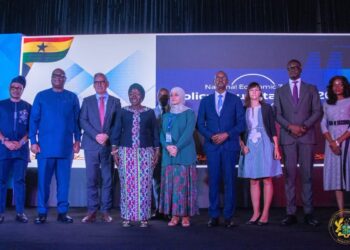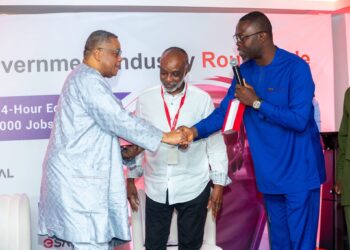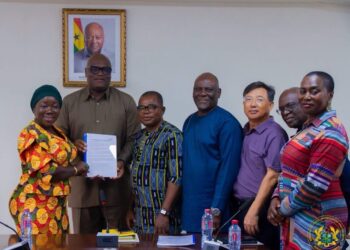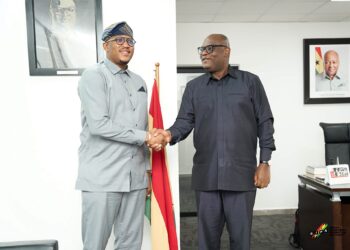
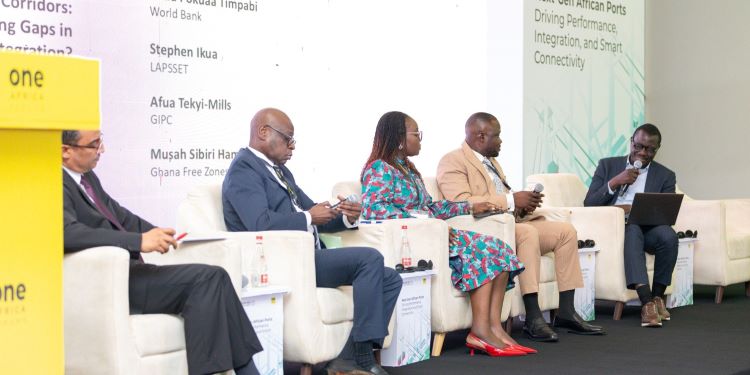
The future of maritime logistics and continental trade integration took center stage in Accra as the Ghana Free Zones Authority (GFZA) joined regional port authorities, shipping conglomerates, and multilateral financial institutions for the 7th Africa Ports Forum.
Held under the official patronage of the Ministry of Transport, the high-level symposium arrives at a time when member states are attempting to bridge the gap between regional integration and infrastructural realities, serving as an administrative clearinghouse to dissect the systemic bottlenecks choking cross-border supply chains.
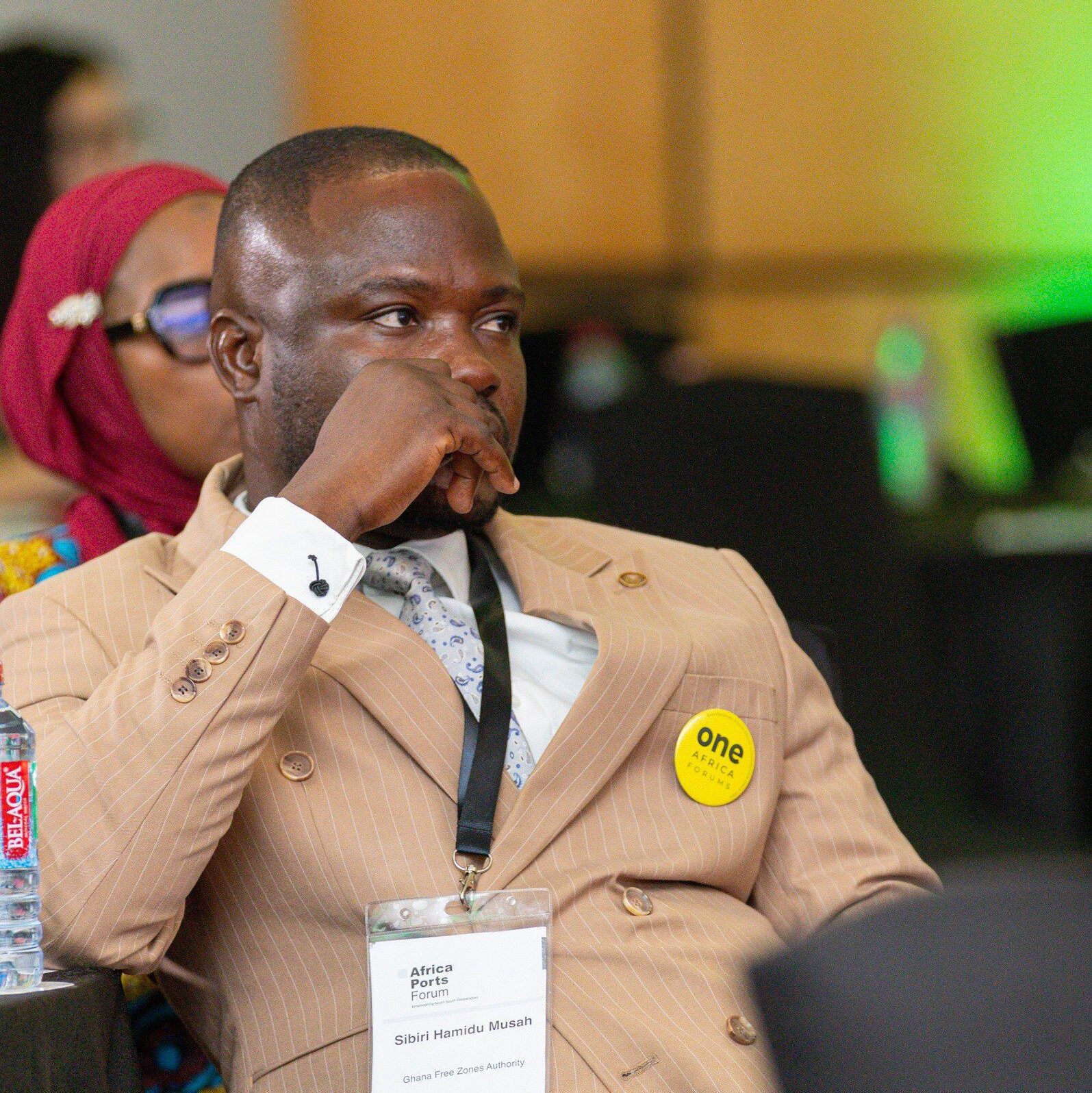
Representing the GFZA, the Deputy Chief Executive Officer in charge of Finance and Administration, Mr. Musah Sibiri Hamidu, led a specialized institutional delegation to anchor Ghana’s industrial interests within the continental logistics framework.
“On the panel discussion on ‘Port and Multimodal Corridors; Connecting Africa or Creating Gaps in Regional Integration?’, Mr. Hamidu gave a brief overview of the Authority, highlighting its significant impact in connecting Ghana to global value chains and its commitment to free trade within the African market”
Ghana Free Zones Authority
The discussions focused heavily on whether Africa’s emerging multimodal transport corridors are successfully unifying the continent or inadvertently widening competitive gaps between coastal export hubs and landlocked markets.
Mr. Hamidu provided a comprehensive breakdown of how specialized economic enclaves insulate domestic economies from external shocks while deepening their integration into global value chains, emphasizing that ports can no longer function merely as entry and exit points for raw commodities.
Instead, he argued that they must operate as highly advanced logistical extensions of the manufacturing centers operating within the country’s industrial zones, re-emphasizing that the Authority remains unyielding in its commitment to driving down the total transaction costs borne by Free Zones Enterprises (FZEs).

According to the GFZA, the aim is to streamline customs clearance procedures, reduce container dwell times, and establish seamless sea-to-land transit corridors that enhance the ultimate commercial viability of goods manufactured within Ghana.
It noted that the efficiency of a port corridor directly dictates the volume of inbound foreign direct investment, making a highly modern, cost-effective maritime interface a mandatory prerequisite for long-term industrial growth.
Dismantling Friction
Despite the massive market opportunities presented by the African Continental Free Trade Area (AfCFTA), the panel pulled no punches regarding the severe structural friction points that continue to stall free trade.
Mr. Hamidu isolated two primary systemic barriers that require urgent legislative and diplomatic intervention across the continent: persistent linguistic fragmentation and the slow pace of domestic legal ratification.
He observed that language barriers across Francophone, Anglophone, and Lusophone borders continue to create artificial friction in transit manifests, transport logbooks, and cross-border customs declarations. However, the more critical challenge remains the failure of several member states to fully domesticate the overarching AfCFTA agreements into their independent national legal codes.
Without this deliberate legislative harmonization, local customs officials often continue to enforce legacy protectionist regulations, rendering continental trade treaties ineffective at actual border posts.
“If all member states deliberately incorporate the AfCFTA Agreement into their national laws, the AfCFTA would become a more effective platform for trade integration,” he stated.
Panelists warned that regional integration cannot occur solely on signed parchment; it requires an active, intentional alignment of national statutory frameworks to allow a single cargo manifest to pass seamlessly across multiple jurisdictions without facing predatory tariffs or bureaucratic delays.
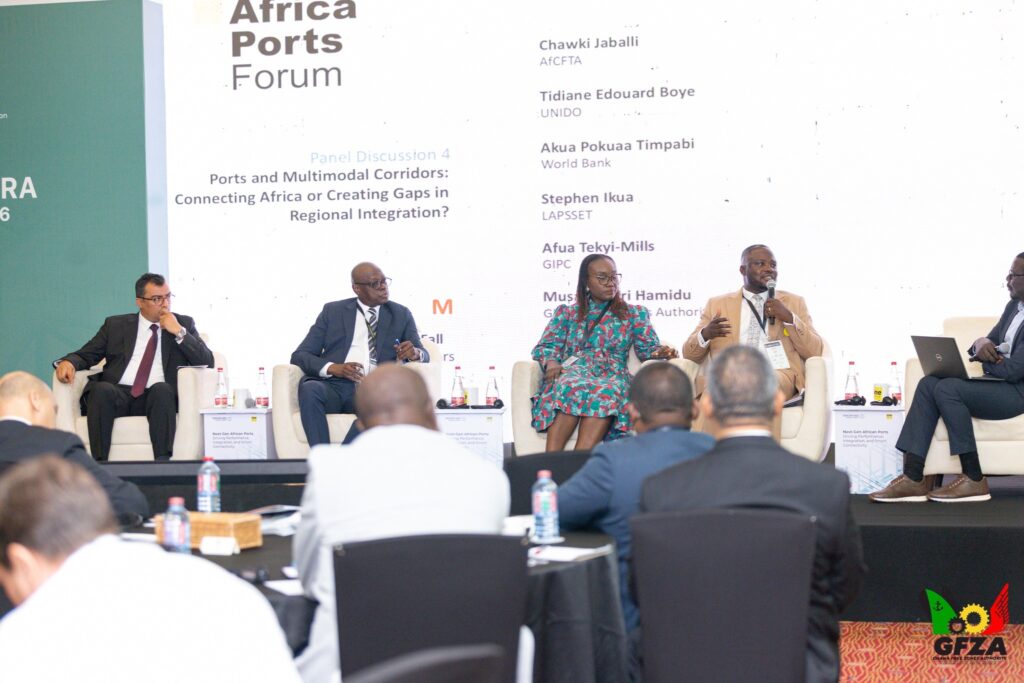
The most significant institutional disclosure from the forum was the confirmation that Ghana’s manufacturing and export framework is undergoing a major structural evolution. Mr. Hamidu revealed that the GFZA is actively managing the transition from the traditional Free Zones Scheme to a modern, comprehensive Special Economic Zone (SEZ) concept.
The shift is a profound re-engineering of how Ghana attracts, retains, and scales industrial capital, as under the legacy Free Zones framework, regulatory incentives were frequently tied to rigid geographic enclaves or strict export-percentage mandates that isolated factories from the domestic consumer market.
The incoming SEZ model dismantles these spatial and operational limitations by offering a more flexible, multi-sector regulatory environment that allows international investors to locate their production facilities across a broader range of strategic locations in Ghana, blending export-oriented manufacturing with deep domestic market integration.
This regulatory transition is specifically tailored to boost international investor confidence by providing long-term tax holidays, streamlined land acquisition protocols, and centralized administrative support, positioning Ghana as a highly competitive manufacturing alternative to East Asian and Latin American trade zones.
The high-stakes panel featured an array of powerful global and regional actors, highlighting the multi-lateral nature of modern trade infrastructure.
Joining the GFZA on the bench were senior representatives from the Ghana Investment Promotion Centre (GIPC), the United Nations Industrial Development Organization (UNIDO), the AfCFTA Secretariat, the World Bank, and the Lamu Port-South Sudan-Ethiopia-Transport (LAPSSET) Corridor Project.
The diverse makeup of the panel enabled rigorous cross-examination of port modernization strategies, financing mechanisms for cross-border rail lines, and the integration of eco-friendly, sustainable shipping practices.
To maximize post-forum investor engagement and execute the transition to the SEZ model, the GFZA deployed a heavy administrative team to manage the bilateral networking hubs.
The institutional presence included the Director of Administration, Hajia Hanatu Abubakar, alongside senior technical officers from the Corporate Affairs, Public Relations & Aftercare, and Marketing & Investment Promotion Departments.
READ ALSO: PHDC Proposes Pension Funds for African Energy Infrastructure Development