In a major diplomatic move aimed at cementing long-term capital flows, Ghana and the European Union have entered a new phase of economic negotiations designed to accelerate the nation’s transition from macroeconomic stabilization to full-scale industrial transformation.
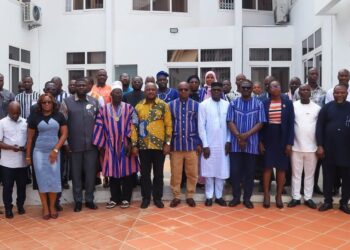
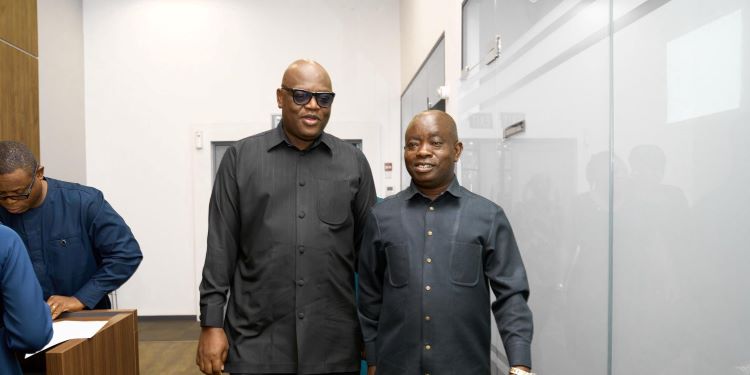
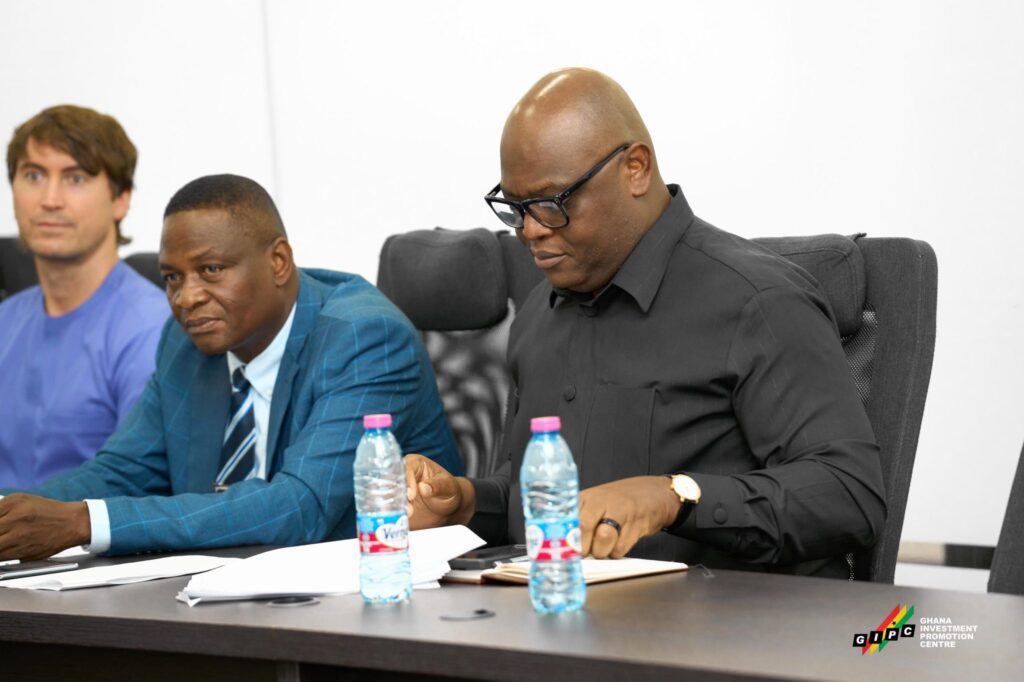
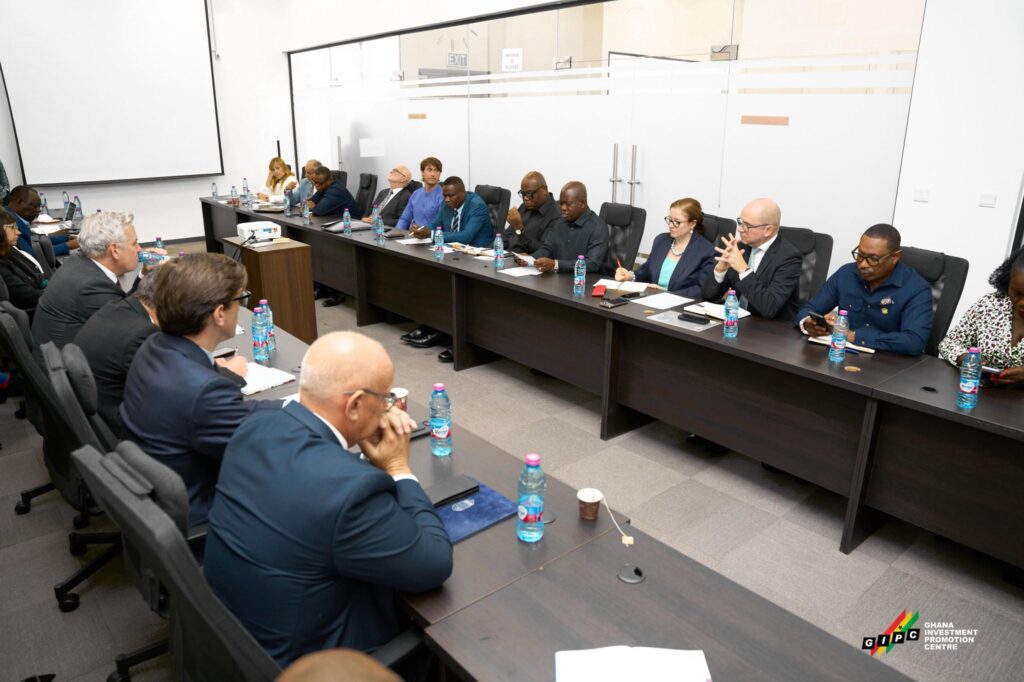
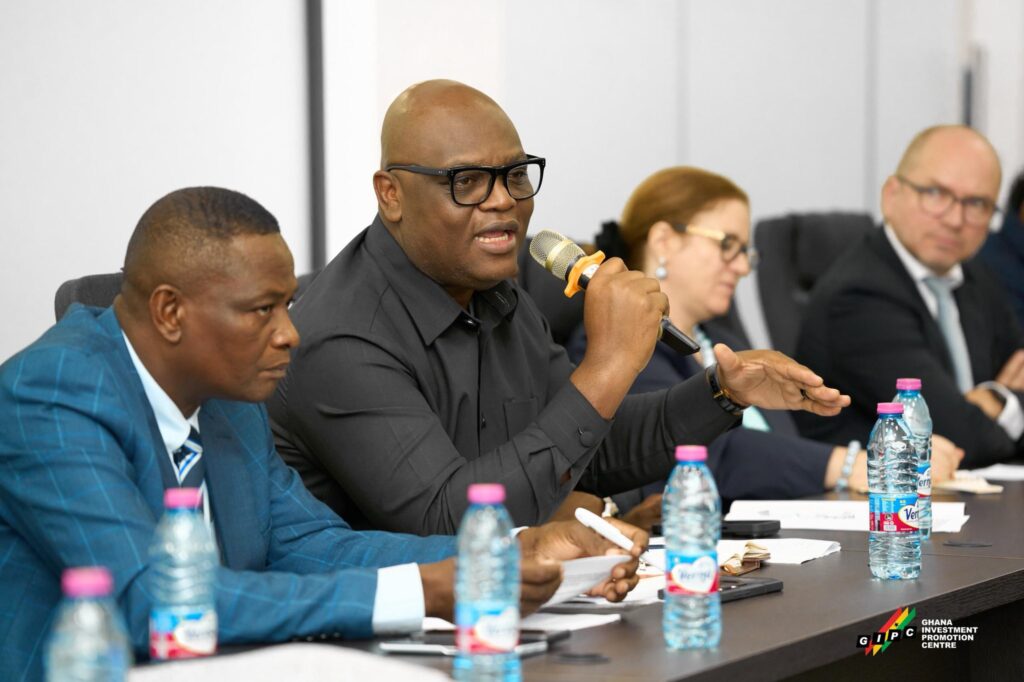
At a high-level bilateral assembly convened in the capital, top state officials, investment promotion executives, and European heads of mission gathered for the Ghana-EU dialogue on economic stabilization and the business environment.
The multi-lateral dialogue provided an official platform for the Ghana Investment Promotion Centre (GIPC) and the Ministry of Trade, Agribusiness and Industry (MoTAI) to showcase the scale of European corporate integration within the country.
“Ghana is strengthening its investment ties with Europe, as both sides push for deeper trade, stronger partnerships, and a more competitive business environment. GIPC CEO Mr. Simon Madjie noted that European investment in Ghana has grown to over US$16.24 billion across over 2,200 projects”
Ghana Investment Promotion Centre
The high-stakes engagement arrived at a critical juncture, as Ghana seeks to insulate its domestic economy from global market volatility while preserving its reputation as the preferred commercial gateway to the West African sub-region.
It also highlighted a unified legislative and diplomatic push to lower operating costs, eliminate cross-border friction, and expand the implementation of the existing Interim Economic Partnership Agreement (iEPA).
Ghana’s strategic role as a stable anchor for foreign direct investment in an otherwise volatile regional landscape took center of the diplomatic exchanges. Addressing the forum, European Union Ambassador to Ghana, H.E. Rune Skinnebach, reaffirmed that the European bloc remains the nation’s largest combined investor and trading partner.
This historic positioning was highlighted as a vital asset as the country rolls out deep structural reforms to improve its fiscal transparency and business environment competitiveness.
The geopolitical weight of this economic alliance was further emphasized by the German Ambassador to Ghana, H.E. Frederick Landshoft, who described the country as a vital commercial gateway to the wider West African market.
European diplomats noted that Ghana’s geographic positioning, coupled with its institutional stability, provides international manufacturing conglomerates with a secure operational base to target consumers across the Economic Community of West African States (ECOWAS) and the broader African Continental Free Trade Area (AfCFTA) frameworks.
The Quantitative Footprint
Mr. Madjie’s statistical disclosure that cumulative European foreign direct investment into Ghana has reached unprecedented historical heights noted that the capital deployment spread across a diverse portfolio of more than 2,200 active projects spanning manufacturing, agro-processing, energy, and services.
The GIPC leadership emphasized that these 2,200 projects represent more than just passive financial assets, as they form the bedrock of the country’s localized manufacturing capacity and supply chain infrastructure.
For the Centre, maintaining the confidence of these established European firms is a primary administrative priority, requiring continuous regulatory adjustments to safeguard returns on investment and simplify corporate governance.
The GIPC is utilizing this massive data profile to advocate for deeper regulatory harmonization between domestic agencies and international standards, ensuring that European companies can easily scale their operations from localized factories into continent-wide distribution networks.
Representing the Ministry of Trade, Agribusiness and Industry, the Deputy Minister, Hon. Sampson Ahi, used the international platform to declare an official shift in the state’s overarching economic management strategy.
He indicated that while the government’s previous policy interventions were primarily focused on emergency macroeconomic stabilization, inflation control, and currency defense, the current directive under the administration of H.E. President John Dramani Mahama is focused entirely on structural industrial transformation.
The state’s new policy directive aims to utilize the baseline stabilization achieved over the past fiscal cycles to drive aggressive job creation, expand localized processing, and build out long-term industrial resilience.
Hon. Ahi emphasized that true economic security cannot be achieved by relying solely on raw commodity exports, necessitating an immediate transition toward a high-value, value-added manufacturing economy, by realigning state resources toward industrial infrastructure.
The Ghanaian officials expressed the nation’s intent to work closely with European engineering and agricultural firms to upgrade rural value chains, expand specialized technical employment for the country’s youthful workforce, and increase the export volume of finished goods.
The final sessions of the bilateral dialogue focused directly on the technical and legal frameworks governing trade between the two regions, as delegations from both sides explored practical mechanisms to deepen the implementation of the Economic Partnership Agreement, looking to unlock new trade volumes while establishing robust green investment pipelines.
Special attention was given to aligning Ghana’s industrial output with the European Union’s evolving environmental and sustainability compliance standards.
State officials and private sector leaders discussed how to channel European green financing into domestic agro-industrial parks, renewable energy setups, and sustainable agricultural systems, ensuring that Ghanaian products remain fully compliant with European consumer market requirements.
MoTAI and the GIPC confirmed that a joint technical working group will be maintained to monitor the business environment, address emerging regulatory bottlenecks, and provide incoming European investors with a fast-tracked administrative runway, ensuring that Accra retains its dominant position as Africa’s premier destination for sustainable industrial capital.
READ ALSO: IMF Praises Ghana’s Reform and Debt Progress, Set to Release Final Bailout Cash