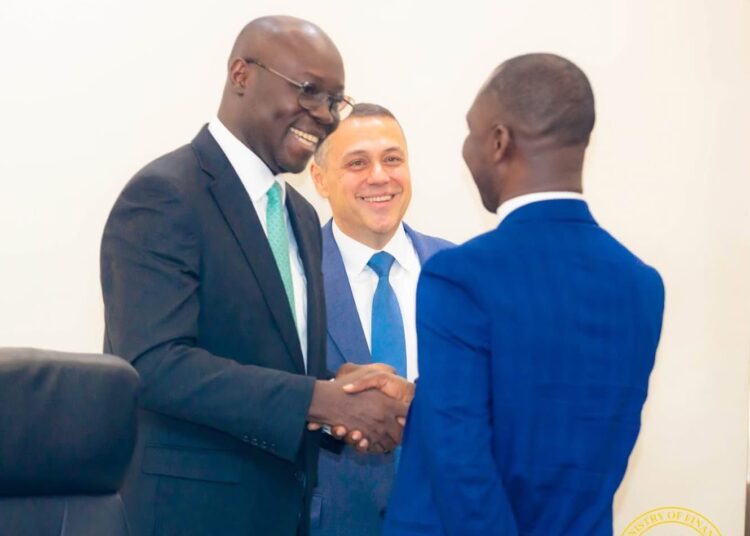
Ghana’s economic recovery efforts have received a major endorsement from the International Monetary Fund as the global lender praised the country’s reform agenda and significant progress in debt restructuring under the Extended Credit Facility programme.
The IMF says Ghana’s determined policy measures and fiscal reforms are beginning to deliver substantial results, strengthening confidence in the economy and improving the country’s debt sustainability outlook after years of financial distress.
The latest remarks from the IMF come ahead of the Fund’s Board meeting scheduled for July 27, 2026, where Ghana’s sixth programme review is expected to be considered for approval.
If approved, Ghana will immediately gain access to the final tranche of more than US$318 million under the bailout arrangement, bringing the country’s total receipts under the programme to about US$3.2 billion since May 2023.
IMF Commends Ghana’s Recovery Efforts
Speaking after the recent staff level agreement reached in Accra, IMF Mission Chief for Ghana, Dr. Ruben Atoyan, praised Ghana’s strong reform efforts and the progress made in restructuring public debt.
According to him, Ghana’s Extended Credit Facility programme has produced “substantial stabilisation gains” despite the severe economic challenges the country faced at the beginning of the programme.
The IMF noted that these gains have been supported by improved fiscal discipline, tighter monetary policy and successful debt restructuring negotiations.
The Fund specifically highlighted Ghana’s declining inflation levels, stronger external reserves and renewed confidence in the cedi as signs that the programme is working.
The positive assessment marks another major boost for government efforts aimed at restoring macroeconomic stability and rebuilding investor confidence.
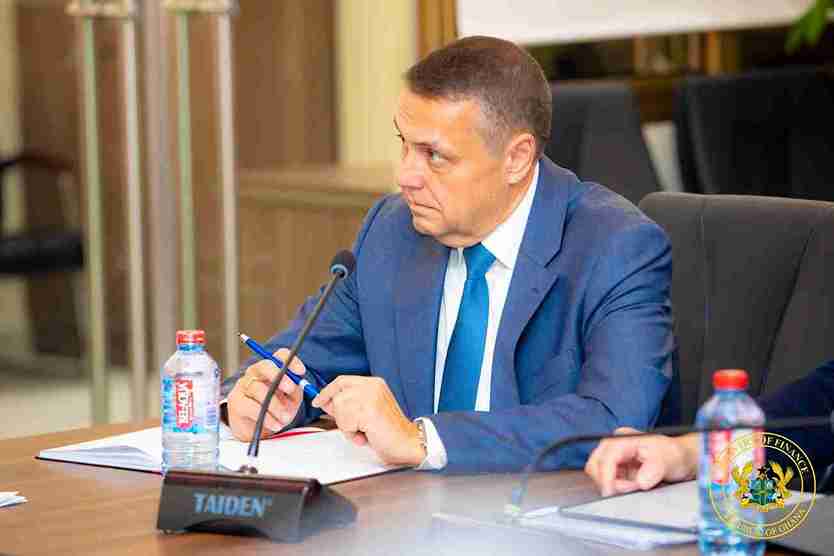
Ghana Nears Final IMF Disbursement
Dr. Atoyan disclosed that the final tranche of over US$318 million will be released immediately after the IMF Board approves Ghana’s sixth programme review.
“As soon as the board approves Ghana’s final programme, the next day, I will move to sign the payslip for the funds to be released,” he stated.
The IMF Mission Chief confirmed that IMF staff will submit a comprehensive report on Ghana’s economic performance to the Board for consideration.
The expected disbursement is anticipated to provide additional support for government projects captured in the 2025 and 2026 national budgets.
Unlike previous IMF programmes that mainly focused on supporting the reserves of the Bank of Ghana, the current programme has largely directed funding toward budgetary and developmental projects.
Economic analysts believe this strategy has helped government sustain essential services and social intervention programmes during a difficult economic adjustment period.
Debt Restructuring Delivers Results
One of the most critical aspects of Ghana’s IMF programme has been the country’s debt restructuring process.
At the height of the economic crisis, Ghana faced unsustainable debt levels that triggered concerns among investors and development partners.
However, the IMF says Ghana has made significant progress in improving its debt trajectory, creating more fiscal space to support development goals while preserving economic stability.
According to the Fund, the restructuring process has helped ease pressure on public finances and strengthened Ghana’s medium term economic outlook.
The IMF believes these developments are helping restore confidence among investors and international financial institutions.
Many financial experts say the debt restructuring exercise, though difficult, was necessary to prevent a deeper economic crisis.
Confidence in the Cedi Improves
The IMF also pointed to renewed confidence in the cedi as evidence that Ghana’s reform programme is yielding results.
The local currency experienced severe volatility in recent years as inflation surged and external pressures mounted.
However, tighter monetary policy measures and improved fiscal management have contributed to greater stability in the foreign exchange market.
Business operators and investors are increasingly viewing the recent cedi stability as a positive signal for economic recovery.
The IMF noted that stronger external buffers and disciplined policy implementation have been key factors supporting the improving market sentiment.
IMF Warns Against Policy Slippages
Despite the encouraging progress, the IMF has cautioned that sustaining the gains achieved so far will require continued commitment to reforms.
Dr. Atoyan stressed that strong implementation of public financial management reforms and structural reforms remains essential.
He warned that Ghana must continue addressing risks associated with contingent liabilities to avoid undermining the progress already made.
Economists have also advised the government to remain disciplined in its spending decisions while deepening reforms aimed at strengthening domestic revenue mobilisation and improving productivity.
With the IMF Board decision approaching, investors, businesses and financial markets will be closely monitoring developments surrounding Ghana’s programme.
For many Ghanaians, the IMF’s latest praise represents renewed hope that the country may finally be turning the corner after years of economic hardship and uncertainty.
READ ALSO: Ghana Banks Ready To Finance Economic Growth- GAB