UK Prime Minister Sir Keir Starmer has been plunged into a deepening political and defence crisis after Armed Forces Minister Al Carns dramatically resigned from the government, becoming the second senior defence figure to quit within hours over a bitter dispute concerning military spending and Britain’s future defence strategy.
Carns announced his resignation after Defence Secretary John Healey stepped down in an unprecedented challenge to the Prime Minister’s leadership. The twin resignations have exposed widening divisions at the heart of government over how Britain should prepare for what defence officials describe as a rapidly deteriorating global security environment.
The departures represent one of the most serious cabinet crises of Starmer’s premiership and have intensified questions about his authority as Prime Minister at a time when Labour is already facing internal unrest following disappointing election results and growing criticism over policy decisions.
In his resignation letter, Carns delivered a blunt assessment of the government’s proposed Defence Investment Plan (DIP), arguing that the blueprint intended to guide Britain’s military spending over the next decade lacks both the ambition and funding required to meet emerging threats.
Carns stated that, “the defence investment plan is neither transformative enough nor sufficiently funded,” cautioning that he could no longer support a course of action that, in his opinion, would leave Britain’s Armed Forces ill-prepared for upcoming difficulties.
His resignation came only a short time after he had suggested publicly that he was willing to wait for the final version of the Defence Investment Plan before deciding whether to remain in government. However, following a series of unusually candid interviews with broadcasters, Carns concluded that the proposed settlement could not be supported.
In a striking statement accompanying his departure, he noted he could not defend “a level of investment I know to be inadequate to the task.”
The most recent resignation comes after Healey’s abrupt departure. Healey had previously accused Starmer and the Treasury of not providing the resources required to defend Britain in the face of growing international threats.
The government’s budget proposals “fall well short” of military requirements, according to Healey’s resignation letter, which also claimed that delays in investment might jeopardise operational preparedness and put people at higher danger.
Collectively, the resignations represent a rare public uprising by high-ranking officials in charge of Britain’s defence strategy, and they coincide with mounting worries about the Middle East and Ukraine wars, rising Russian military action, and NATO’s readiness for upcoming security threats.
The crisis has been compounded by the resignation of Labour MP Pamela Nash, who quit her role as Healey’s parliamentary assistant at the Ministry of Defence. In her resignation letter, Nash pointed to repeated delays and disputes surrounding the Defence Investment Plan.
“Delays and difficulties with securing the necessary funding to progress the defence investment plan has been the latest issue that is damaging to the trust of the public in us.”
Pamela Nash
According to reports, Healey had encouraged other Defence Ministers to remain in their positions despite his own departure, making Carns’ decision an additional setback for the government.
Moreover, the resignations have also provided ammunition for political opponents. Conservative leader Kemi Badenoch described Healey’s departure as “the honourable thing” and expressed alarm at suggestions that current spending plans could compromise military effectiveness.
The controversy comes at a particularly sensitive political moment. Labour is preparing for a crucial by-election next week in which candidate Andy Burnham is seeking a return to Westminster, a move that could position him as a future challenger to Starmer’s leadership.
New Defence Secretary Faces Immediate Challenge
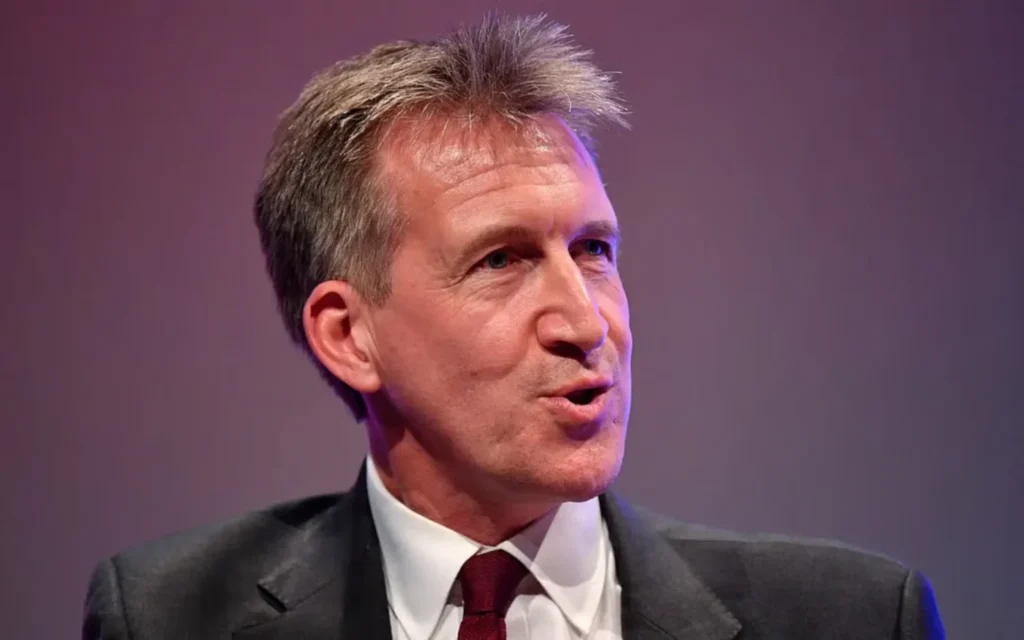
With Healey’s departure confirmed, Starmer has appointed Security Minister Dan Jarvis, a former British Army officer, as the new defence secretary.
The appointment immediately places Jarvis at the centre of one of the government’s most contentious policy battles.
His first major task will be to finalise the Defence Investment Plan, the same blueprint that prompted the resignations of both Healey and Carns.
The plan is intended to outline how Britain will finance the ambitions set out in last year’s Strategic Defence Review, which called for a shift towards what officials described as “warfighting readiness.”
The review proposed significant investment in ammunition stockpiles, advanced military technologies, drones, next-generation combat aircraft and new attack submarines.
However, disagreements over how to fund those ambitions have delayed publication of the investment plan for months.
Originally expected last autumn, the blueprint has been repeatedly postponed as Ministers and Treasury officials struggled to agree on spending levels.
The issue has become increasingly urgent ahead of a NATO summit scheduled to take place in Turkey next month. Starmer had publicly identified the gathering as the deadline for unveiling Britain’s long-term defence funding strategy.
Reports suggest government officials were preparing to announce an additional £13.5 billion for the Ministry of Defence over the next four years. However, that figure reportedly falls far short of the £28 billion increase sought by defence leaders.
Healey’s resignation letter revealed his concern that much of the proposed funding would arrive later in the decade rather than during the next two years, when military planners believe it is most urgently needed.
He argued that the settlement was “backloaded” despite immediate operational pressures and the need to accelerate combat readiness.
Responding to the criticism, Starmer defended the government’s approach and rejected suggestions that Britain was underfunding its Armed forces.
READ ALSO: GSE Records Strong Gains Amid Thin Trading