Britain’s political landscape has been shaken by the dramatic resignation of Defence Secretary John Healey, who stepped down from government after accusing Prime Minister Sir Keir Starmer and the Treasury of failing to provide the resources needed to strengthen the country’s armed forces in an increasingly volatile global security environment.
In a highly critical resignation letter, Healey warned that the government’s long-awaited Defence Investment Plan (Dip) does not provide sufficient funding to address mounting threats facing the United Kingdom and its allies, arguing that the proposed settlement risks undermining military readiness at a time of growing instability in Europe, the Middle East and beyond.
The resignation represents one of the most significant cabinet departures since Labour returned to power and exposes deep divisions within government over defence spending priorities, particularly as NATO allies continue to increase military investments in response to Russia’s war in Ukraine and wider security concerns across the continent.
Healey’s departure comes after months of discussions over the Defence Investment Plan, a major strategy intended to determine how Britain will fund new military equipment, infrastructure projects and capability upgrades over the coming decade.
The plan follows the publication of the government’s Strategic Defence Review, which outlined an ambitious vision to modernise Britain’s armed forces, strengthen alliances and invest in emerging military technologies.
However, according to Healey, the final financial settlement offered by the government fell far short of what military planners believe is necessary.
In his resignation letter, which he described as one he “never expected to write,“ Healey noted that he was left with no alternative but to resign after receiving the final funding package earlier this week.
“After explaining to you that I would not be able to accept a Dip settlement that does not give our forces the resources they need, I am now left with no other option than to submit my resignation as your defence secretary.”
John Healey
The resignation is particularly striking because Healey devoted much of his letter to praising the achievements of the Labour government during its first two years in office.
He highlighted Britain’s leadership role in supporting Ukraine, increased defence spending, major military reforms, improved relations with European allies and substantial investment in armed forces personnel.
Yet despite those accomplishments, he argued that the government had failed to match its defence ambitions with the financial commitments needed to implement them.
Healey pointed to a rapidly deteriorating international security environment as justification for significantly higher spending. He cited continuing conflict in the Middle East, growing Russian military activity near NATO territory, increased attacks in Ukraine and Britain’s expanding commitments to multinational security operations.
According to the Former Defence Secretary, these developments have substantially increased the demands placed on Britain’s military since Labour took office.
He argued that Britain should formally commit to spending at least 3% of gross domestic product on defence by 2030, a target he stated would enjoy broad political support and align with the direction being taken by several European allies.
Instead, Healey claimed the government’s proposed funding trajectory would only raise defence spending to 2.68 per cent of GDP by 2030, despite Britain already being on course to reach approximately 2.6 per cent next year under existing commitments.
The timing of the dispute is particularly significant given recent warnings from Western intelligence agencies regarding future security threats.
John Healey referenced Starmer’s own remarks that intelligence assessments suggest Russia could potentially pose a direct threat to NATO countries before the end of the decade.
Against that backdrop, Healey argued that delaying major defence investments until after 2030 would leave Britain’s armed forces underprepared during the most critical period.
Healey Warns Funding Shortfall Could Increase Risks to National Security
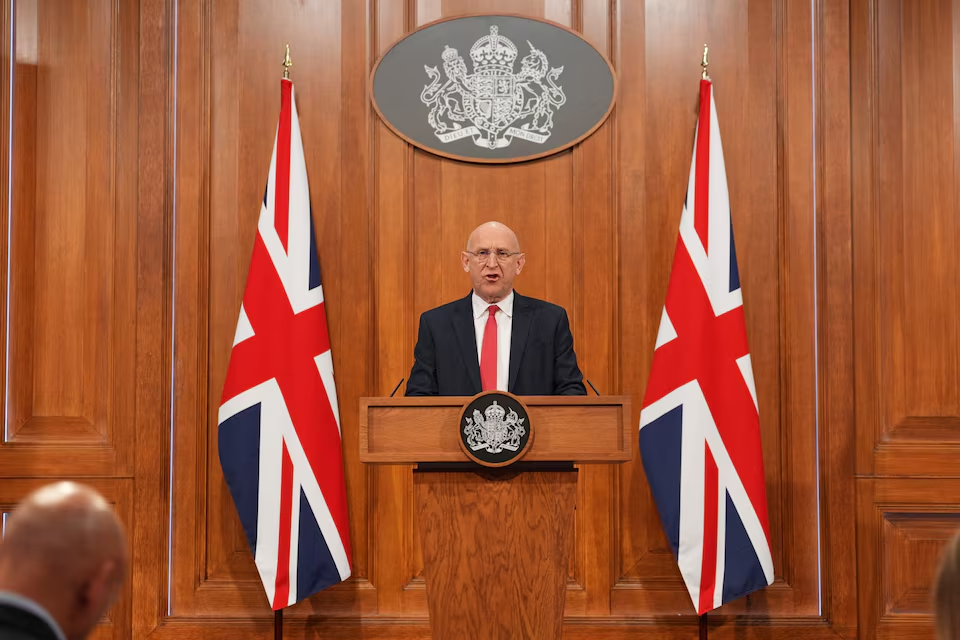
At the heart of Healey’s resignation is a warning that the government’s spending plans could directly affect military readiness and operational effectiveness.
The Former Defence Secretary argued that much of the additional support included in the Defence Investment Plan has been “backloaded,” meaning substantial funding increases would arrive later in the decade rather than during the next two years when military planners believe they are most urgently required.
According to Healey, this approach fails to reflect the immediate challenges facing Britain’s armed forces.
“The extra support is backloaded when the pressure of operations and imperative to speed up readiness to fight is in the first two years.”
John Healey
He warned that accepting the current settlement would force him to make difficult choices affecting operational capability and personnel safety.
“Without a DIP that meets the moment in this way, I am being forced to make decisions that would reduce the readiness of our forces and increase the risk to personnel on operations, and could make the country less safe.”
John Healey
The comments are likely to intensify pressure on Prime Minister Starmer and Chancellor Rachel Reeves, both of whom have faced competing demands from across government departments over public spending priorities.
While Labour has already increased defence expenditure and committed to strengthening Britain’s role within NATO, Healey’s resignation raises questions about whether those increases are sufficient to meet the ambitions outlined in the Strategic Defence Review.
READ ALSO: Serena Williams’ Return Cut Short After Mboko Injury Forces Withdrawal