Tag: Defence Investment Plan

  • UK Invests £135 Million in Royal Navy Undersea Defence

    UK Invests £135 Million in Royal Navy Undersea Defence

    United Kingdom has announced a £135 million investment to strengthen the Royal Navy’s undersea defence capabilities, awarding a major contract to BAE Systems to maintain and repair the country’s frontline torpedo weapons while safeguarding hundreds of highly skilled jobs across Britain.

    The three-year Torpedo Repair and Maintenance (TRAM) contract forms part of the government’s wider drive to modernise Britain’s armed forces amid an increasingly complex global security environment. Beyond ensuring the operational readiness of the Royal Navy’s underwater weapons, the agreement is expected to support more than 300 jobs and reinforce the UK’s domestic defence manufacturing base.

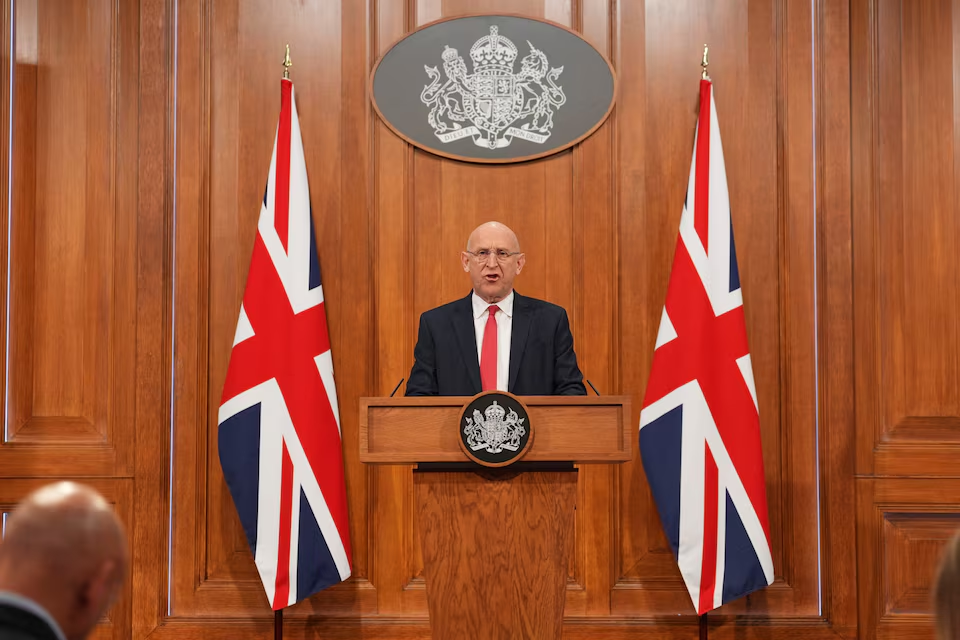
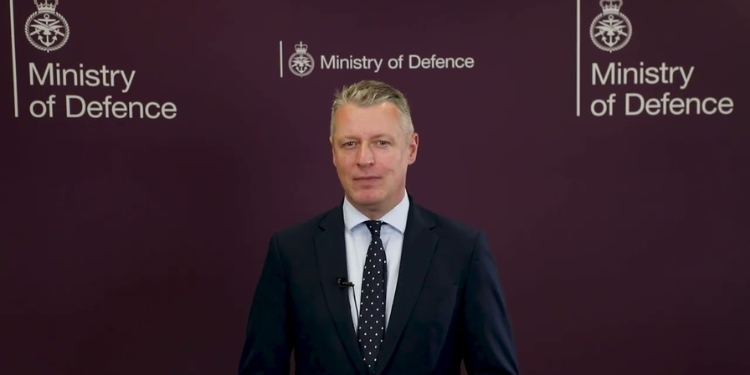
    According to the Minister for Defence Readiness and Industry Luke Pollard, the contract as an example of defence investment delivering both security and economic dividends.

    “This is defence spending doing exactly what it should – keeping our country safe while securing 315 skilled jobs and creating new opportunities across our country. We are proud to be backing British jobs, British skills and British industry.”

    Luke Pollard

    According to British government, the expenditure highlights the government’s dual goals of strengthening national security and boosting economic growth, advanced engineering, and sovereign industrial capabilities through defence spending.

    Submarines, surface warships, and maritime patrol aircraft can identify and eliminate hostile submarines and other maritime threats thanks to torpedoes, which continue to be one of the Royal Navy’s most vital weaponry. Additionally, they are essential to maintaining the nation’s Continuous At Sea Deterrent, which is the cornerstone of the UK’s nuclear security posture, as well as securing international commerce routes and territorial seas.

    Under the agreement, BAE Systems will continue providing maintenance and repair services for the Royal Navy’s Spearfish heavyweight torpedoes and Sting Ray lightweight torpedoes from July 2026 until June 2029.

    The contract directly secures 150 specialist engineering and technician positions within BAE Systems, including around 100 jobs in Portsmouth and another 50 across Edinburgh, Chelmsford and facilities near Glasgow. A further 165 jobs will be supported through the company’s wider UK supply chain, bringing the total employment sustained by the programme to 315 positions.

    The announcement comes as the British government seeks to translate increased defence expenditure into broader economic benefits. The contract is funded through the £298 billion Defence Investment Plan announced earlier this year, a long-term programme designed to modernise military capabilities while creating employment opportunities across the country.

    In addition to bolstering national resilience, the government contend that investing in Britain’s defence sector supports high-value manufacturing, engineering, and technology sectors that make substantial contributions to economic growth.

    The government has increasingly linked national security spending with its broader industrial strategy, arguing that procurement decisions should strengthen domestic manufacturing capacity while reducing reliance on overseas suppliers for critical military equipment.

    The TRAM agreement also provides continuity ahead of the planned introduction of WHITEHEAD2, a next-generation torpedo support programme expected to begin in 2029. Defence officials say the future programme will modernise maintenance systems, improve equipment availability and ensure the Royal Navy remains equipped to address emerging underwater threats.

    The announcement also comes at a time when maritime security has become an increasingly important issue for NATO members. Growing concerns over the vulnerability of undersea infrastructure including communication cables, energy pipelines and offshore installations have prompted Western governments to invest heavily in anti-submarine warfare capabilities and underwater surveillance systems.

    Against this backdrop, maintaining reliable torpedo systems is viewed as a critical component of Britain’s wider maritime defence strategy.

    New Defence Contract to Safeguard Naval Readiness

    Senior military officials have welcomed the extension of the torpedo maintenance project, noting that continued assistance is critical to ensuring the Royal Navy’s operational readiness in an increasingly challenged security environment.

    According to Rear Admiral Matt Stratton, the Royal Navy’s Director of Naval Acquisition, the arrangement ensures the continuous support of one of the service’s most vital weapons capabilities.

    “This contract extension ensures the Royal Navy retains a safe, reliable and continuous torpedo support capability. It is a critical enabler of our operational readiness and directly supports the UK’s Continuous At Sea Deterrent.”

    Rear Admiral Matt Stratton

    The Continuous At Sea Deterrent, maintained by the Royal Navy’s fleet of nuclear-powered ballistic missile submarines, has formed the foundation of Britain’s strategic defence policy for decades. Ensuring the availability and reliability of supporting weapons systems is regarded as essential to maintaining that capability.

    Moreover, Richard Murray, Director of Lethality and Protect within the National Armaments Director Group – Materiel, stated that the programme proved the importance of collaboration between the government, military forces, and industry.

    “This contract extension secures continued, reliable support to the UK’s torpedo capability. Bringing together the Navy, National Armaments Director Group and industry as a single team has delivered real, tangible results for UK defence.”

    Richard Murray

    BAE Systems, which has overseen the Royal Navy’s torpedo support contract since 2019, emphasised its track record of ensuring weapon availability for frontline operations.

    The new contract reflects a broader shift in Britain’s defence policy towards sustained investment in military readiness alongside industrial resilience. Rather than focusing solely on acquiring new equipment, the government has increasingly prioritised maintaining existing capabilities to ensure frontline forces remain prepared for evolving security challenges.

    With geopolitical tensions persisting across Europe and increasing attention being paid to threats beneath the world’s oceans, British officials argue that maintaining reliable underwater warfare systems will remain essential to protecting national security, supporting NATO operations and ensuring the Royal Navy retains the capability to deter potential adversaries well into the future.

  • Burnham Targets Defence and Jobs With £8.4bn Nuclear Submarine Investment

    Burnham Targets Defence and Jobs With £8.4bn Nuclear Submarine Investment

    UK Prime Minister Andy Burnham is set to announce an £8.4bn investment in Britain’s next generation of nuclear-powered submarines, as his government moves to strengthen the country’s strategic defence capabilities while using major military projects to create jobs and revive industrial communities.

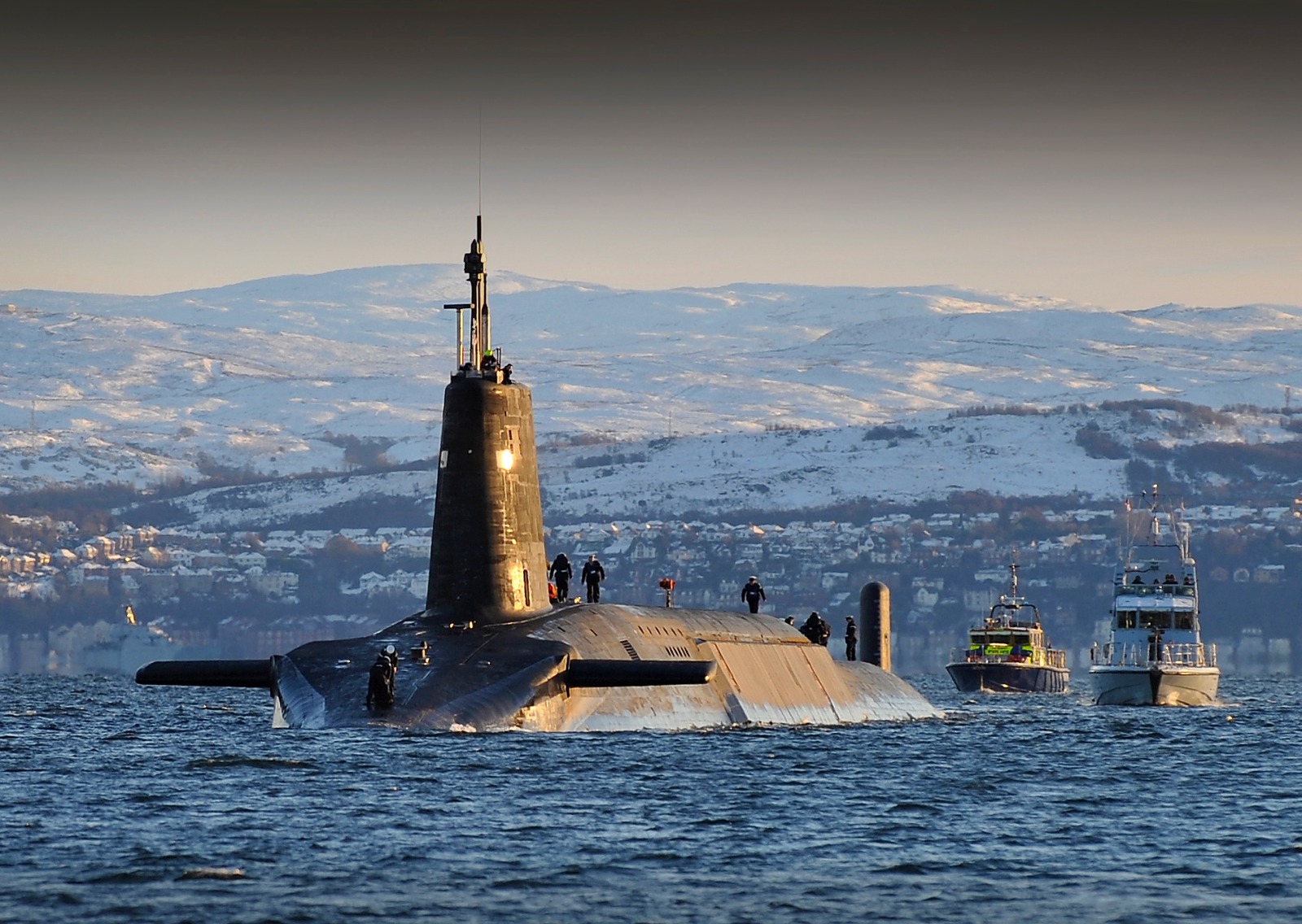
    The funding package will support the development of the Dreadnought-class submarines, which are expected to enter service during the 2030s and replace the ageing Vanguard-class fleet that currently carries Britain’s Trident nuclear deterrent.

    The programme represents one of the largest defence investments in the United Kingdom’s history and is designed to ensure that the country maintains its continuous at-sea nuclear deterrent for decades to come.

    The announcement is expected to place Barrow-in-Furness at the centre of Britain’s defence and industrial strategy, with the town’s shipbuilding workforce responsible for constructing the submarines.

    According to the Burnham led administration, the investment will support around 47,000 jobs and apprenticeships across the wider UK defence nuclear business, including thousands of highly skilled posts in communities associated to the submarine development.

    UK Prime Minister Andy Burnham

    The first vessel in the new fleet, HMS Dreadnought, is already under construction and will receive a large amount of the budget to help its advancement towards operational readiness. Additional expenditure will also help progress the second submarine, HMS Valiant, towards sea trials, while supporting building work on the third and fourth boats in the class.

    The submarines will be powered by a Rolls-Royce nuclear propulsion system manufactured in Derby, allowing them to operate with virtually unlimited range and remain at sea for extended periods. Each vessel will be capable of carrying Trident 2 D5 ballistic missiles, which form the core of Britain’s nuclear deterrence capability.

    Speaking ahead of the announcement, Andy Burnham stated that “keeping this country safe is the first responsibility of any government.But security is not only about what we build, it is about who builds it, and who benefits from it.”

    “The submarines produced in Barrow will protect Britain for decades to come, and the 47,000 jobs and apprenticeships will change lives both in this town and in dozens of places like it. British money, spent on British workers, British firms and British skills, in the places that were written off for 40 years.

    Andy Burnham

    He added, “to every young person across the country, I want you to know that there is a path for you into a reindustrialised Britain and it starts with the apprenticeships we are funding through this investment today.”

    UK Prime Minister, Andy Burnham

    The announcement forms part of Burnham’s broader effort to tackle youth unemployment and expand opportunities for young people entering the workforce.

    During a visit earlier this week to rail manufacturer Alstom in Derby, the Prime Minister identified reducing the number of young people not in education, employment or training as one of his government’s immediate priorities.

    The latest figures published in May showed that the number of young people aged between 16 and 24 who were neither working nor studying had exceeded one million for the first time since 2013. The figure reached 1.01 million between January and March, raising concerns about skills development and access to employment opportunities.

    Burnham argued that young people should not be blamed for rising inactivity rates, pointing instead to weaknesses within education and training systems.

    “It would be wrong to blame the young people when we have an education system that doesn’t set them up properly, where some struggle to find opportunities at 16, where work experience and work placements aren’t there for them.”

    Andy Burnham

    According to the Prime Minister, “we’ve got to put those building blocks in place, and then, in time, that number will come down.”

    Defence Spending Debate Returns as Government Defends Submarine Investment

    Dreadnought-Class Nuclear-Powered Ballistic Missile Submarine

    While the Dreadnought investment has received support from defence industry representatives and local leaders, it also comes amid continuing debate over Britain’s long-term military spending commitments.

    The government estimates that the wider Defence Nuclear Enterprise supports around 47,000 jobs across the country. These include approximately 9,000 positions at Aldermaston and Burghfield in Berkshire, 8,000 at Devonport naval base in Plymouth and 13,500 roles in Barrow, where the submarines are being built.

    Of the £8.4bn investment package, around £5.9bn will be allocated to BAE Systems, which is responsible for constructing the submarines, while £2.5bn will support the wider supply chain involved in the programme.

    UK Prime Minister Andy Burnham

    However, the announcement places renewed focus on questions surrounding Burnham’s defence spending plans, particularly his commitment to reaching NATO’s target of spending 3.5% of gross domestic product on defence by 2035.

    The issue has become politically sensitive following the resignation of John Healey as former Prime Minister, Keir Starmer’s Defence Secretary before Burnham’s expected arrival in Downing Street. Healey had criticised the previous government, arguing that it had failed to provide sufficient resources to address growing security threats.

    The subsequent Defence Investment Plan included commitments to fund the Dreadnought submarine programme and raised expected defence investment over the next four years to £298bn. However, defence spending is projected to reach only 2.7% of GDP by the end of the decade.

    UK Prime Minister, Andy Burnham explained that, “in terms of our Nato commitments, I have been very clear that we will honour those commitments,” adding that “it does mean being prepared to look at challenging issues.”

    Defence Secretary Wes Streeting

    Moreover, Defence Secretary Wes Streeting has described the submarine investment as “essential to keeping the UK secure, acting as the ultimate deterrent to our adversaries in an increasingly dangerous world.”

    “This milestone investment breathes new life into Barrow’s historic traditions and secures our commitment to deliver Dreadnought Class submarines by backing British industry.”

    Wes Streeting
  • UK and NATO Allies Launch £37bn Long-Range Missile Programme

    UK and NATO Allies Launch £37bn Long-Range Missile Programme

    United Kingdom and 11 other NATO members are set to invest more than £37 billion ($50 billion) over the next decade in a major new long-range missile programme designed to strengthen Europe’s ability to deter potential adversaries and defend allied territory.

    The Deep Precision Strike initiative, unveiled by the UK government presents one of the alliance’s most ambitious future weapons projects and is expected to become a central issue during discussions among European leaders.

    British Prime Minister, Keir Starmer is leading efforts to bring together around a dozen allied nations to develop advanced missile capabilities that will transform NATO’s ability to respond to future security threats.

    The programme is expected to produce some of the alliance’s most sophisticated precision strike systems, capable of hitting targets at least 300 kilometres (nearly 200 miles) away with high accuracy.

    Starmer stated, “I am determined to ensure the safety of the UK and our Allies and to do that, we must step up to deliver a stronger, more European NATO.”

    “UK is already working with partners to develop exquisite capability that will give our Armed Forces the ability to defend and deter thousands of kilometres from the front line, but this UK-led initiative will allow us to step up our cooperation, bringing European Allies together to ensure NATO remains safe and secure for years to come.”

    Keir Starmer

    The announcement comes amid increasing pressure on European NATO members to expand defence investment and develop greater military independence.

    US President Donald Trump has repeatedly called on European allies to contribute more towards the alliance’s defence spending, arguing that Washington should not continue carrying a disproportionate financial burden for European security.

    Members of NATO decided at last year’s summit to strive toward allocating 5% of GDP on defence and security by 2035; however, the precise route to reaching that goal is still politically delicate for a number of alliance members.

    Through its Defence Investment Plan, the British government has already committed almost £300 billion by 2030, which includes significant investments in cutting-edge military technology, weaponry, and preparedness.

    The Deep Precision Strike initiative, according to Foreign Secretary Yvette Cooper, is a reaction to a more hazardous state of international security, stating, “this is about how we make sure we have a stronger Europe within a stronger NATO.”

    The initiative is expected to take years to develop, with operational capabilities unlikely to become available until the 2030s. However, defence officials argue that long-term planning is essential because modern military threats increasingly rely on advanced technology, precision weapons and the ability to strike targets at significant distances.

    The programme has also been shaped by lessons from Russia’s war in Ukraine, where long-range weapons have played a critical role in targeting military infrastructure, supply routes and logistical networks.

    British officials emphasised Ukraine’s use of long-range systems has demonstrated the strategic importance of precision strike capabilities in modern warfare.

    “Ukraine’s Armed Forces have proved that the effective use of long-range systems can have game-changing impacts on the battlefield, giving the Armed Forces the ability to degrade enemy forces far behind the frontline.”

    Keir Starmer

    According the UK government, “Ukrainian long-range strikes, such as those on key logistics hubs, have significantly impacted Russia’s ability to sustain their offensives.”

    NATO-Russia Tensions Rise

    The launch of the Deep Precision Strike programme comes as NATO members continue to assess the security implications of Russia’s ongoing war in Ukraine and Moscow’s expanding military activities around Europe.

    During the Ankara summit, Prime Minister Starmer is expected to highlight the continuing threat posed by Russia, while insisting that NATO does not seek confrontation but must remain prepared to defend every member of the alliance.

    The British government revealed that NATO fighter jets have been scrambled more than 700 times in the past two years to intercept Russian aircraft approaching allied airspace.

    Foreign Secretary Yvette Cooper indicated that the new missile programme would provide NATO with stronger deterrence capabilities and the ability to respond to threats targeting European security.

    “With deep precision strike capability, the UK and our allies will be able to hit high value military targets and the logistical engines that drive armies, deterring any aggressor and strengthening our mutual security.”

    Yvette Cooper

    She added, “at Ankara we are sending a clear message to [Russian] President [Vladimir] Putin; NATO is stronger, more European and ready to defend our citizens against the long-term threat posed by him and the Russian state.”

    The summit also comes as Ukrainian President Volodymyr Zelensky continues to urge Western allies to provide additional air defence systems to protect Ukrainian cities from intensified Russian attacks.

    Zelensky appealed for urgent assistance as Ukraine faces continued missile and drone strikes from Russian forces.

    At the same time, Ukraine has expanded its own long-range attacks against Russian military and industrial targets, striking oil refineries and other strategic facilities

    Kremlin has criticised NATO’s expanding military cooperation and warned that additional weapons supplied to Ukraine will not change Russia’s objectives. Kremlin spokesman Dmitry Peskov noted that Moscow would closely monitor developments at the Ankara summit, accusing NATO leaders of adopting a confrontational approach.

    “In the context of preparations for this summit we heard a great many statements concerning our country. To our regret, these were not statements about constructive engagement and dialogue but rather statements of a confrontational nature.”

    Dmitry Peskov

    He added that Russia still considered a political and diplomatic settlement preferable.

    Despite Moscow’s warnings, NATO members argue that strengthening defence capabilities is necessary to maintain stability and prevent future aggression.

    The Deep Precision Strike initiative is expected to become a key element of Europe’s future military posture, combining the expertise, technology and industrial capacity of multiple allied nations.

  • Kemi Badenoch Challenges Keir Starmer Over Defence Spending Plans

    Kemi Badenoch Challenges Keir Starmer Over Defence Spending Plans

    Conservative leader Kemi Badenoch has intensified pressure on Prime Minister  Keir Starmer after accusing his government of leaving behind a multi-billion-pound shortfall in funding for Britain’s ambitious defence spending programme, warning that the next administration could inherit a difficult fiscal challenge.

    The dispute centres on the government’s newly unveiled £15 billion Defence Investment Plan (DIP), which sets out a significant increase in military spending over the coming years as Britain seeks to strengthen its armed forces in response to evolving global security threats.

    According to Treasury figures accompanying the announcement, almost one-third of the planned increase has yet to be fully financed, leaving an estimated £4.7 billion funding gap that would need to be addressed in a future Budget.

    The disclosure has fuelled criticism from the Conservatives, who argue that the current administration is committing future governments to spending without clearly identifying how it will be paid for.

    The issue quickly became the focus of Prime Minister’s Questions, where Badenoch questioned whether the government’s defence ambitions were financially credible.

    She argued that the funding package failed to match the scale of the challenge facing Britain’s armed forces and suggested the next government would be forced to choose between raising taxes, increasing borrowing or cutting spending elsewhere to bridge the gap.

    Referring to the anticipated leadership transition, Badenoch asked whether Andy Burnham had already agreed to finance the outstanding shortfall, accusing Starmer of leaving “this mess to his successor” with a “limited plan.”

    The Prime Minister rejected the criticism, instead directing attention toward the previous Conservative government’s record on defence spending.

    Keir Starmer accused the Conservatives of weakening Britain’s military capabilities during their years in office, arguing that his administration was now reversing years of underinvestment.

    The subject at hand comes as Britain strives to modernise its armed forces in the face of rising geopolitical tensions, with a focus on missile defence, cyber capabilities, new weapon systems, and military industrial capability. The Defence Investment Plan aims to provide long-term predictability for defence procurement while also encouraging indigenous production and technological innovation.

    However, questions over how the programme will ultimately be financed have overshadowed many of its policy objectives.

    Government ministers have sought to reassure both Parliament and defence stakeholders that further financial decisions will be made through the normal Budget process and that leaving elements of long-term spending to future fiscal statements is not unusual.

    Nonetheless, opposition parties argue that announcing major expenditure without fully identifying funding sources risks creating uncertainty for both the Treasury and the armed forces.

    Government Defends Spending Plans as Opposition Pushes Back

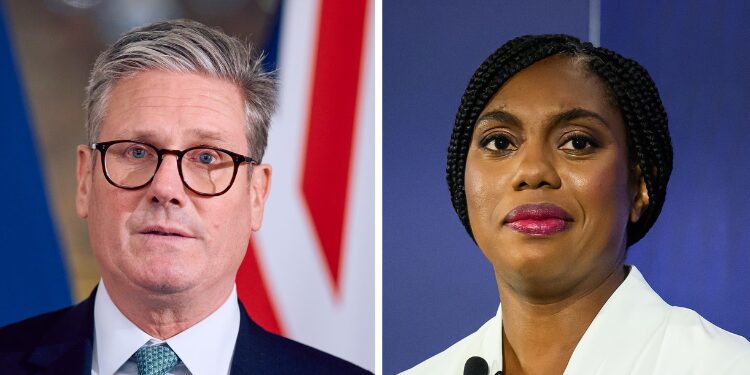
    Conservative Party leader Kemi Badenoch and Prime Minister Keir Starmer

    Despite concerns about the unresolved funding shortfall, government ministers stressed that the Defence Investment Plan is one of the largest commitments made to the British military in recent years.

    Luke Pollard suggested that the publication of detailed funding allocations coincided with the official release of the plan, explaining that even ministers had only received the full financial breakdown when it became public.

    Further, Pollard stated that Downing Street has been in close contact with Andy Burnham’s team and informed him of the figures when the Treasury released the statement and breakdown of financial costs yesterday.

    During Prime Minister’s Questions, Badenoch questioned whether the proposed increase would be sufficient to address Britain’s defence requirements.

    “The chief of the defence staff made it known that the armed forces needed a minimum of £28bn more to defend the country. Can the prime minister tell us why he thinks half that amount is enough?”

    Kemi Badenoch

    She continued,“we can count, the generals can count, the Kremlin can count. His plan doesn’t add up. How can the prime minister possibly stand there and say that this is enough?”

    Keir Starmer responded by defending both the scale of the investment and the backing it had received from senior military leaders.

    He stated that the programme would take Britain’s defence spending to £300 billion over the next four years and had received support from the Chief of the Defence Staff, the First Sea Lord and the Chief of the Air Staff.

    “All people who know what is in the plan, and welcome it. Contrast that with their record in government, because they hollowed out the armed forces.”

    Keir Starmer

    Meanwhile, Dan Jarvis, the Minister of Defence, has rejected claims that the funding shortfall was a political issue for the new government.

    He stated that he was “assured that, as Prime Minister, Andy Burnham will make sure that we’ve got the investment coming into defence” and expressed confidence that future leadership would continue to prioritise defence investment.

  • UK Backs Hybrid Combat Vessels in Defence Shake-Up

    UK Backs Hybrid Combat Vessels in Defence Shake-Up

    United Kingdom is preparing to abandon long-standing plans to replace its ageing Type 45 destroyers with a new class of traditional warships, opting instead for a fleet of at least six advanced hybrid combat vessels designed to operate alongside drones and autonomous systems as part of a sweeping overhaul of Britain’s military strategy.

    The significant change, expected to feature prominently in the government’s long-delayed Defence Investment Plan (DIP), reflects a growing belief within the Ministry of Defence (MoD) that future conflicts will rely less on a small number of heavily crewed, high-cost warships and more on flexible, technology-driven platforms capable of coordinating autonomous operations across multiple domains.

    Rather than continuing development of the proposed Type 83 destroyer a concept vessel intended to replace the Royal Navy’s current Type 45 fleet the government has decided to invest in at least six Common Combat Vessels, which defence officials say will deliver greater operational flexibility while reducing long-term costs and personnel demands.

    According to the Ministry of Defence, the new vessels will be specifically designed to deploy and coordinate uncrewed systems operating in the air, on the sea surface and beneath the water, creating an integrated combat capability suited to the realities of modern warfare.

    The Ministry of Defence indicated that the hybrid ships would provide “more resilient air defence” while extending “the Navy’s reach, resilience and firepower without a proportional increase in crew or cost.”

    The vessels are expected to play a central role in protecting British and allied interests in strategically important waters, including operations aimed at countering Russian naval activity in the North Atlantic and the High North, safeguarding critical underwater infrastructure such as communication cables and energy pipelines, and strengthening NATO’s collective deterrence posture.

    Although the Ministry has not disclosed how much funding has been allocated for the programme, officials described the initiative as part of a “once in a generation investment in new maritime capability.” 

    Alongside additional support ships, the project is also expected to generate significant work for British shipyards, providing a boost to the domestic defence industry while modernising the Royal Navy’s fleet.

    The decision comes amid a long-running political dispute over Britain’s defence spending priorities. The Defence Investment Plan has been delayed for months as ministers negotiate budget levels with the Treasury, exposing internal divides within the government about how quickly military investment should expand in response to emerging threats.

    Those disagreements recently led to the resignations of Defence Secretary John Healey and Armed Forces Minister Al Carns, both of whom argued that the proposed spending plans fell short of what Britain’s armed forces require.

    Healey warned that Prime Minister, Keir Starmer had been “unable” and the Treasury “unwilling” to provide the resources necessary to strengthen Britain’s military at what he described as “this time of rising threats.”

    Carns similarly criticised the draft strategy, stating that it was “neither transformative enough nor sufficiently funded.”

    The appointments of a new defence leadership team have since raised expectations that additional resources could be secured before publication of the final strategy.

    Defence Spending Focus Shifts to Emerging Technologies

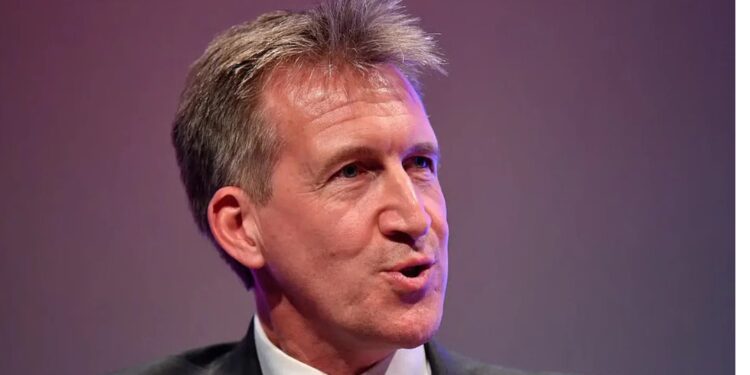
    Defence Secretary Dan Jarvis

    Defence Secretary Dan Jarvis has positioned the revised investment plan as a decisive break from traditional procurement approaches, arguing that Britain’s armed forces must be equipped to respond to rapidly evolving security challenges.

    Announcing the shift toward the Common Combat Vessel programme, Jarvis revealed that the new fleet would be “designed and built for the increasing threats we face.”

    Earlier, the Ministry of Defence unveiled a separate £500 million package to provide Britain’s elite Commando Force with new boats as well as cutting-edge drone and autonomous technologies.

    Along with other NATO countries, UK government has pledged to raise defence spending to 2.5% of GDP by 2027 and to support a longer-term goal of 3.5% of GDP by 2035.

    However, according to NATO’s most recent data, Britain’s defence spending in 2025 was 2.3% of GDP, which is just less than the alliance average when US expenditures is taken out.

    Healey disclosed in his resignation letter that the version of the Defence Investment Plan that was in place at the time he left office predicted that defence spending would only amount to 2.68% of GDP by 2030 much less than what he believed was required to get Britain ready for future conflicts.

    Despite the political disagreements surrounding the strategy, the government remains determined to publish the long-awaited Defence Investment Plan before the NATO summit in Turkey on 7 July, where alliance members are expected to discuss collective security priorities and long-term defence commitments.

  • Starmer Vows to Stay Amid Defence Spending Row

    Starmer Vows to Stay Amid Defence Spending Row

    UK Prime Minister Keir Starmer has insisted he will not “walk away” from office or allow political instability to plunge United Kingdom into “chaos,” as his government faces mounting scrutiny over defence spending commitments, ministerial resignations and internal divisions over national security priorities.

    In an interview, Starmer outlined his views on the future course of government policy, including defence, welfare reform, and budgetary planning, and also defended his leadership.

    The remarks come at a politically sensitive time, following the resignations of Armed Forces Minister Al Carns and Defence Secretary John Healey, which has heightened debate over the legality and proper funding of the government’s defence spending plan and Starmer’s leadership.

    According to Starmer, leadership is a matter of responsibility rather than personal preference.

    “I am not going to walk away.I don’t think we should plunge the country into the chaos of a leadership election. In the last few weeks others have made their own case.

    “I have been concentrating on the job I was elected to do, which is to deliver for this country. This is about a sense of service and duty. It’s not vanity. It’s not stubbornness. It’s duty.”

    Keir Starmer

    Starmer also responded to claims that his government had lost credibility as a result of the welfare reform controversy of the previous year.

    In response, he maintained that reforms were already in place and cited initiatives like the “right to try” program, the youth guarantee, and modifications to Universal Credit that are meant to promote employment and lessen long-term reliance on welfare.

    On public spending, Starmer confirmed that departments across government were being required to contribute to an expanded defence budget, while stressing that this would not come at the expense of day-to-day public services.

    “Yes, everybody is contributing to this. Collective effort, if you like, towards a really important priority of the government.”

    Keir Starmer

    However, questions have intensified over the credibility of the government’s long-term defence funding plans.

    Critics, including former Defence Secretary John Healey, have reportedly described aspects of the numbers as “fanciful,” raising doubts about whether the UK can realistically meet its stated ambitions of increasing defence spending to 3.5% of GDP by the middle of the next decade.

    Starmer acknowledged the challenge, describing the financial environment as difficult and confirming that resources were being reallocated from other departments outside the formal spending review process.

    “It is very important that commitments are properly funded. I have taken the decision to reallocate from other departments that’s not an easy thing to do, but it is the right thing to do.”

    Keir Starmer

    He also reiterated that defence would remain central to government policy going forward, stating it would be the “number one priority at every spending review.”

    This comes against a broader backdrop of rising global insecurity and increasing pressure on NATO members to boost military spending.

    UK has already committed to raising defence spending to 2.5% of GDP by 2027, with a longer-term ambition of reaching 3% in the next parliament and a NATO-aligned target of 3.5% by 2035.

    Despite these commitments, internal disagreements have emerged over funding mechanisms, leading to political friction within government ranks and contributing to the recent resignations.

     Opposition Questions Credibility as Political Pressure Mounts on Starmer

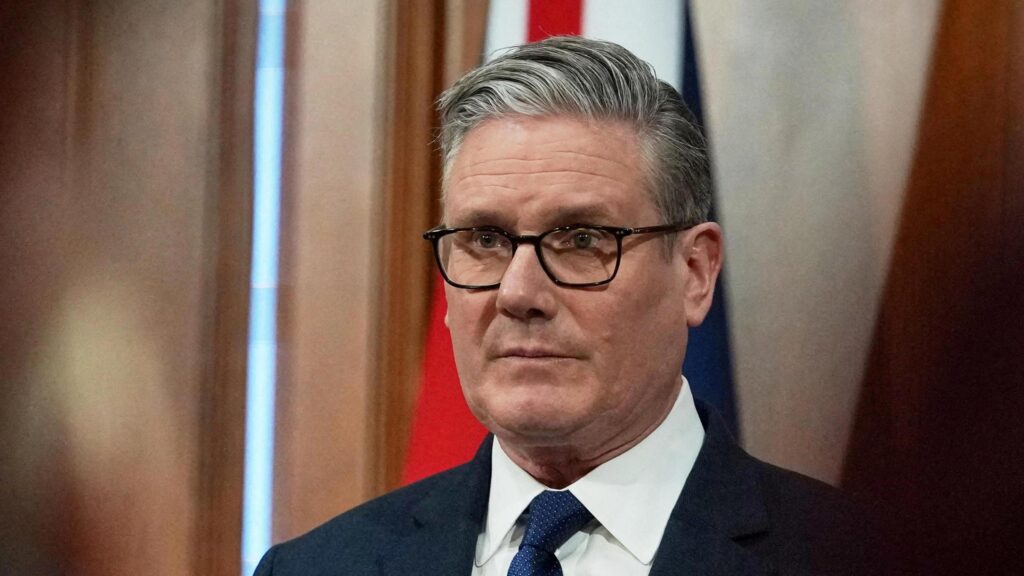
    UK Prime Minister, Keir Starmer

    The fallout from the defence dispute has quickly become a focal point for opposition parties, who argue that the government’s strategy lacks clarity and fiscal realism.

    Conservative figures have been among the most critical. Shadow housing Secretary James Cleverly indicated that, the crisis raises serious doubts about the government’s credibility on defence and international commitments.

    “I like Dan Jarvis but I cannot see how he speaks with allies at Nato next week with any credibility.”

    James Cleverly

    He added that, “Healey and Carns said publicly what everyone was saying privately, Starmer and Reeves don’t take defence seriously.”

    Meanwhile, Reform UK leader Nigel Farage accused the government of failing to address national security concerns, claiming that senior resignations reflected deeper policy disagreements over defence investment.

    From the Liberal Democrats, Sir Ed Davey hasdescribed the situation as a “wake-up call,” warning that ongoing political instability could undermine the UK’s security posture at a time of growing international tension.

    Moreover, Green Party leader Zack Polanski, however, took a broader view of national security, arguing that resilience also depended on strong public services and investment beyond traditional military spending.

    Starmer’s appointment of Dan Jarvis as the new Defence Secretary has been presented by the government as an effort to stabilise the ministry following the resignations.

    Dan Jarvis on the other hand, has described defence as “the first duty of government” and pledged to serve with “professionalism, courage, and extraordinary skill.”

    Despite these assurances, the political instability shows little sign of easing. Questions remain over whether the government’s defence investment plan is financially sustainable.

  • Starmer Under Pressure After Second Defence Resignation

    Starmer Under Pressure After Second Defence Resignation

    UK Prime Minister Sir Keir Starmer has been plunged into a deepening political and defence crisis after Armed Forces Minister Al Carns dramatically resigned from the government, becoming the second senior defence figure to quit within hours over a bitter dispute concerning military spending and Britain’s future defence strategy.

    Carns announced his resignation after Defence Secretary John Healey stepped down in an unprecedented challenge to the Prime Minister’s leadership. The twin resignations have exposed widening divisions at the heart of government over how Britain should prepare for what defence officials describe as a rapidly deteriorating global security environment.

    The departures represent one of the most serious cabinet crises of Starmer’s premiership and have intensified questions about his authority as Prime Minister at a time when Labour is already facing internal unrest following disappointing election results and growing criticism over policy decisions.

    In his resignation letter, Carns delivered a blunt assessment of the government’s proposed Defence Investment Plan (DIP), arguing that the blueprint intended to guide Britain’s military spending over the next decade lacks both the ambition and funding required to meet emerging threats.

    Carns stated that, “the defence investment plan is neither transformative enough nor sufficiently funded,” cautioning that he could no longer support a course of action that, in his opinion, would leave Britain’s Armed Forces ill-prepared for upcoming difficulties.

    His resignation came only a short time after he had suggested publicly that he was willing to wait for the final version of the Defence Investment Plan before deciding whether to remain in government. However, following a series of unusually candid interviews with broadcasters, Carns concluded that the proposed settlement could not be supported.

    In a striking statement accompanying his departure, he noted he could not defend “a level of investment I know to be inadequate to the task.”

    The most recent resignation comes after Healey’s abrupt departure. Healey had previously accused Starmer and the Treasury of not providing the resources required to defend Britain in the face of growing international threats.

    The government’s budget proposals “fall well short” of military requirements, according to Healey’s resignation letter, which also claimed that delays in investment might jeopardise operational preparedness and put people at higher danger.

    Collectively, the resignations represent a rare public uprising by high-ranking officials in charge of Britain’s defence strategy, and they coincide with mounting worries about the Middle East and Ukraine wars, rising Russian military action, and NATO’s readiness for upcoming security threats.

    The crisis has been compounded by the resignation of Labour MP Pamela Nash, who quit her role as Healey’s parliamentary assistant at the Ministry of Defence. In her resignation letter, Nash pointed to repeated delays and disputes surrounding the Defence Investment Plan.

    “Delays and difficulties with securing the necessary funding to progress the defence investment plan has been the latest issue that is damaging to the trust of the public in us.”

    Pamela Nash

    According to reports, Healey had encouraged other Defence Ministers to remain in their positions despite his own departure, making Carns’ decision an additional setback for the government.

    Moreover, the resignations have also provided ammunition for political opponents. Conservative leader Kemi Badenoch described Healey’s departure as “the honourable thing” and expressed alarm at suggestions that current spending plans could compromise military effectiveness.

    The controversy comes at a particularly sensitive political moment. Labour is preparing for a crucial by-election next week in which candidate Andy Burnham is seeking a return to Westminster, a move that could position him as a future challenger to Starmer’s leadership.

    New Defence Secretary Faces Immediate Challenge

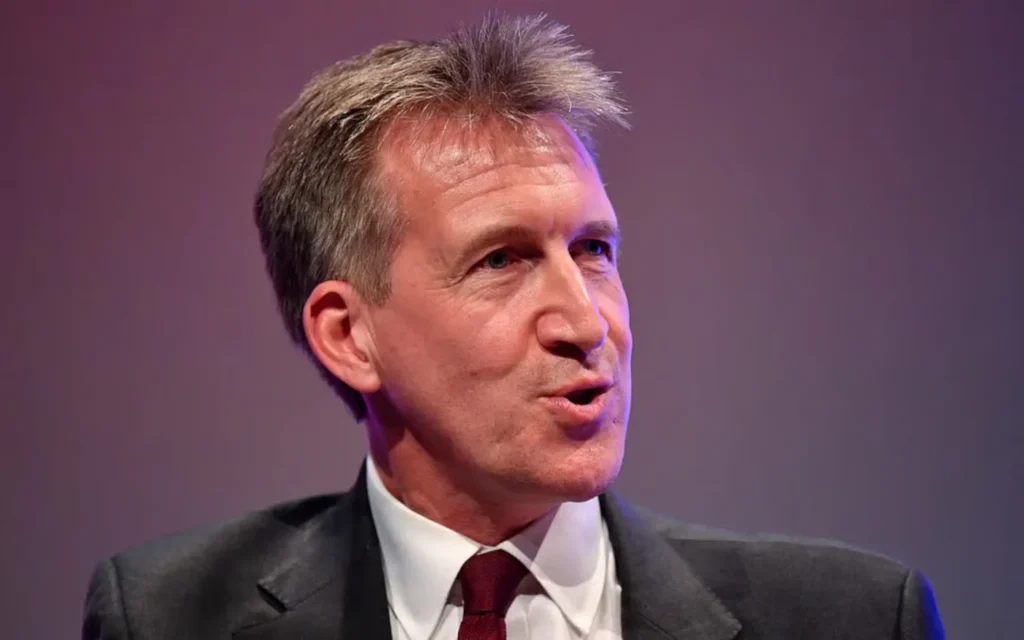
    New Defence Secretary, Dan Jarvis

    With Healey’s departure confirmed, Starmer has appointed Security Minister Dan Jarvis, a former British Army officer, as the new defence secretary.

    The appointment immediately places Jarvis at the centre of one of the government’s most contentious policy battles.

    His first major task will be to finalise the Defence Investment Plan, the same blueprint that prompted the resignations of both Healey and Carns.

    The plan is intended to outline how Britain will finance the ambitions set out in last year’s Strategic Defence Review, which called for a shift towards what officials described as “warfighting readiness.”

    The review proposed significant investment in ammunition stockpiles, advanced military technologies, drones, next-generation combat aircraft and new attack submarines.

    However, disagreements over how to fund those ambitions have delayed publication of the investment plan for months.

    Originally expected last autumn, the blueprint has been repeatedly postponed as Ministers and Treasury officials struggled to agree on spending levels.

    The issue has become increasingly urgent ahead of a NATO summit scheduled to take place in Turkey next month. Starmer had publicly identified the gathering as the deadline for unveiling Britain’s long-term defence funding strategy.

    Reports suggest government officials were preparing to announce an additional £13.5 billion for the Ministry of Defence over the next four years. However, that figure reportedly falls far short of the £28 billion increase sought by defence leaders.

    Healey’s resignation letter revealed his concern that much of the proposed funding would arrive later in the decade rather than during the next two years, when military planners believe it is most urgently needed.

    He argued that the settlement was “backloaded” despite immediate operational pressures and the need to accelerate combat readiness.

    Responding to the criticism, Starmer defended the government’s approach and rejected suggestions that Britain was underfunding its Armed forces.

  • UK Defence Secretary John Healey Resigns

    UK Defence Secretary John Healey Resigns

    Britain’s political landscape has been shaken by the dramatic resignation of Defence Secretary John Healey, who stepped down from government after accusing Prime Minister Sir Keir Starmer and the Treasury of failing to provide the resources needed to strengthen the country’s armed forces in an increasingly volatile global security environment.

    In a highly critical resignation letter, Healey warned that the government’s long-awaited Defence Investment Plan (Dip) does not provide sufficient funding to address mounting threats facing the United Kingdom and its allies, arguing that the proposed settlement risks undermining military readiness at a time of growing instability in Europe, the Middle East and beyond.

    The resignation represents one of the most significant cabinet departures since Labour returned to power and exposes deep divisions within government over defence spending priorities, particularly as NATO allies continue to increase military investments in response to Russia’s war in Ukraine and wider security concerns across the continent.

    Healey’s departure comes after months of discussions over the Defence Investment Plan, a major strategy intended to determine how Britain will fund new military equipment, infrastructure projects and capability upgrades over the coming decade.

    The plan follows the publication of the government’s Strategic Defence Review, which outlined an ambitious vision to modernise Britain’s armed forces, strengthen alliances and invest in emerging military technologies.

    However, according to Healey, the final financial settlement offered by the government fell far short of what military planners believe is necessary.

    In his resignation letter, which he described as one he “never expected to write,“ Healey noted that he was left with no alternative but to resign after receiving the final funding package earlier this week.

    “After explaining to you that I would not be able to accept a Dip settlement that does not give our forces the resources they need, I am now left with no other option than to submit my resignation as your defence secretary.”

    John Healey

    The resignation is particularly striking because Healey devoted much of his letter to praising the achievements of the Labour government during its first two years in office.

    He highlighted Britain’s leadership role in supporting Ukraine, increased defence spending, major military reforms, improved relations with European allies and substantial investment in armed forces personnel.

    Yet despite those accomplishments, he argued that the government had failed to match its defence ambitions with the financial commitments needed to implement them.

    Healey pointed to a rapidly deteriorating international security environment as justification for significantly higher spending. He cited continuing conflict in the Middle East, growing Russian military activity near NATO territory, increased attacks in Ukraine and Britain’s expanding commitments to multinational security operations.

    According to the Former Defence Secretary, these developments have substantially increased the demands placed on Britain’s military since Labour took office.

    He argued that Britain should formally commit to spending at least 3% of gross domestic product on defence by 2030, a target he stated would enjoy broad political support and align with the direction being taken by several European allies.

    Instead, Healey claimed the government’s proposed funding trajectory would only raise defence spending to 2.68 per cent of GDP by 2030, despite Britain already being on course to reach approximately 2.6 per cent next year under existing commitments.

    The timing of the dispute is particularly significant given recent warnings from Western intelligence agencies regarding future security threats.

    John Healey referenced Starmer’s own remarks that intelligence assessments suggest Russia could potentially pose a direct threat to NATO countries before the end of the decade.

    Against that backdrop, Healey argued that delaying major defence investments until after 2030 would leave Britain’s armed forces underprepared during the most critical period.

    Healey Warns Funding Shortfall Could Increase Risks to National Security

    UK Defence Secretary John Healey

    At the heart of Healey’s resignation is a warning that the government’s spending plans could directly affect military readiness and operational effectiveness.

    The Former Defence Secretary argued that much of the additional support included in the Defence Investment Plan has been “backloaded,” meaning substantial funding increases would arrive later in the decade rather than during the next two years when military planners believe they are most urgently required.

    According to Healey, this approach fails to reflect the immediate challenges facing Britain’s armed forces.

    “The extra support is backloaded when the pressure of operations and imperative to speed up readiness to fight is in the first two years.”

    John Healey

    He warned that accepting the current settlement would force him to make difficult choices affecting operational capability and personnel safety.

    “Without a DIP that meets the moment in this way, I am being forced to make decisions that would reduce the readiness of our forces and increase the risk to personnel on operations, and could make the country less safe.”

    John Healey

    The comments are likely to intensify pressure on Prime Minister Starmer and Chancellor Rachel Reeves, both of whom have faced competing demands from across government departments over public spending priorities.

    While Labour has already increased defence expenditure and committed to strengthening Britain’s role within NATO, Healey’s resignation raises questions about whether those increases are sufficient to meet the ambitions outlined in the Strategic Defence Review.