
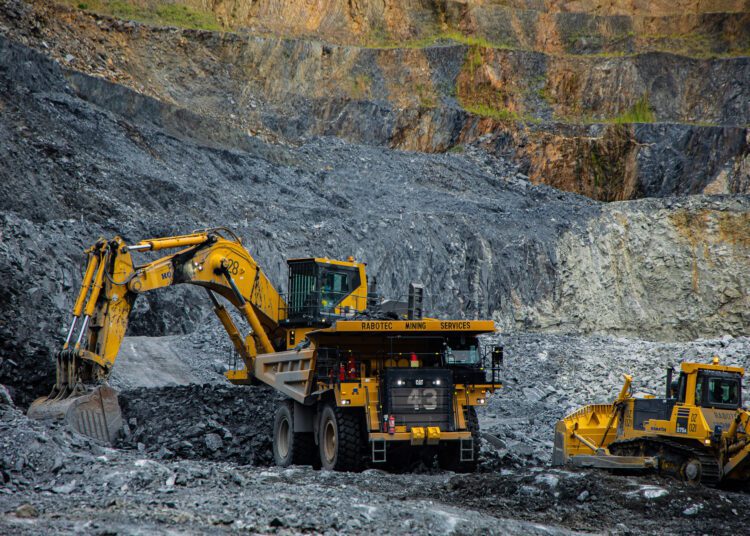
Mawusi Ama Mawuenyefia, the National Coordinator for the Responsible Cooperative Mining and Skills Development Programme (rCOMSDEP), has unveiled a comprehensive state-backed framework designed to transform the artisanal and small-scale mining (ASM) sector through rigorous capacity-building.
This strategic move directly reflects the government’s intensified commitment to curbing ecological degradation while elevating the operational standards of local miners.
By shifting the paradigm from purely punitive enforcement to structural education, the administration aims to foster a durable culture of compliance, ensuring that mineral extraction contributes positively to national development without jeopardizing the environment.
“Comprehensive training programmes have been established to provide both theoretical and practical knowledge, equipping miners with the skills and competencies required to undertake mining activities in a responsible, safe, and environmentally sustainable manner.”
Mawusi Ama Mawuenyefia

The initiative marks a pivotal transition in national mineral governance, targeting thousands of cooperative miners who form the backbone of the rural economy. rCOMSDEP’s structured rollout seeks to bridge the historic gap between stringent statutory regulations and the actual field practices of small-scale operators.
By integrating state agencies, environmental experts, and local cooperatives, the government is building a resilient ecosystem where regulatory compliance becomes a profitable, accessible, and life-saving standard for everyday miners across the country’s mineral-rich belts.
The Critical Necessity for State Intervention
The government’s decision to champion this institutional overhaul is driven by the severe environmental crisis caused by unregulated, illegal mining, popularly known as galamsey.
For over a decade, pristine water bodies such as the Pra, Ankobra, and Birim rivers have suffered unprecedented levels of heavy metal pollution, drastically escalating the operational costs of state water treatment facilities.
Vast swathes of fertile agricultural land and critical forest reserves have been stripped bare, threatening biodiversity and upending rural livelihoods.
Left unchecked, this ecological destruction poses an existential threat to the nation’s primary resources, making state-led formalization an absolute necessity.

Furthermore, the unchecked expansion of unregulated mining has severely encroached upon the nation’s cocoa sector, which serves as a major pillar of the macroeconomy. Thousands of hectares of productive cocoa plantations have been cleared or contaminated, jeopardizing international supply chains and diminishing the country’s foreign exchange earnings.
By spearheading a structured transition toward responsible cooperative mining, the state is not merely regulating an industry; it is actively safeguarding its agricultural heritage and protecting the fundamental socio-economic rights of agrarian communities.
Mitigating Economic Risks and Reclaiming Revenue
From a macroeconomic perspective, small-scale mining is an indispensable economic engine, accounting for roughly 35% to 40% of the nation’s total gold output.
However, a significant portion of this wealth has historically slipped through the cracks of the formal economy due to smuggling, illicit financial flows, and informal trading networks.
By institutionalizing programmes like rCOMSDEP, the government is strategically positioning itself to pull informal operators into the formal tax bracket.
This shift optimizes national revenue collection, stabilizes local currency reserves, and ensures that the wealth generated from natural resources directly funds public infrastructure.
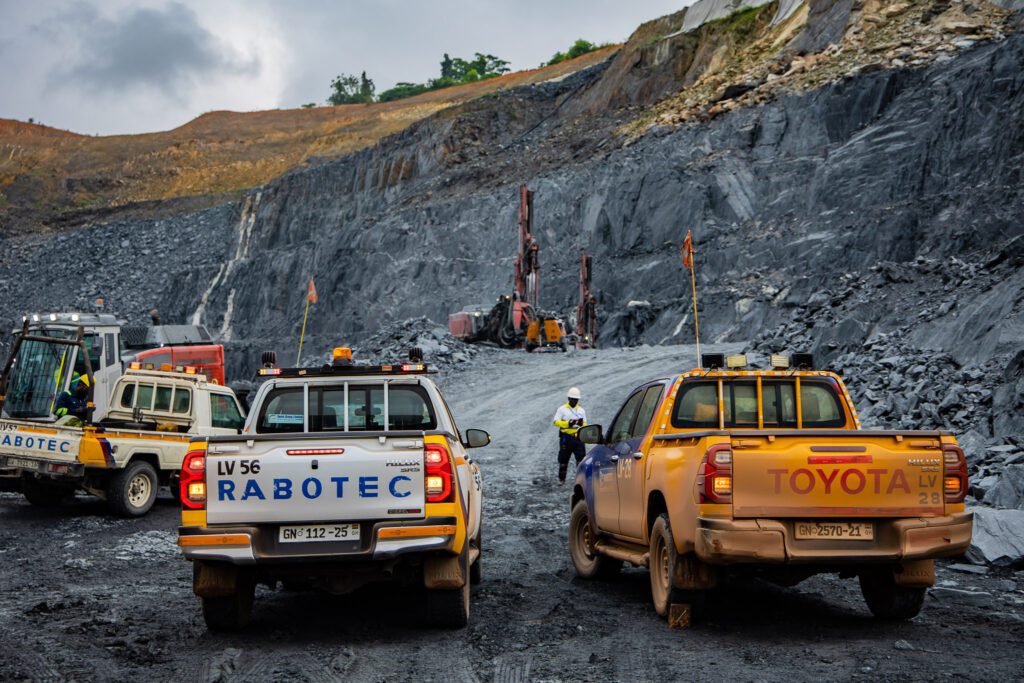
Additionally, formalizing these operations mitigates the immense human capital losses associated with unregulated mine sites. Frequent pit collapses, mercury poisoning, and hazardous working conditions have historically exacted a heavy toll on the local workforce.
By establishing clear operational benchmarks and legal protections, the government lowers the risk profile of the small-scale mining sub-sector.
This regulatory stability turns local mining cooperatives into viable, bankable businesses capable of attracting legitimate domestic and international investment, creating sustainable employment for the youth.
Institutionalizing Safety and Environmental Stewardship
To ensure the long-term viability of this initiative, the curriculum deployed by rCOMSDEP focuses heavily on eliminating hazardous practices, particularly the use of toxic chemicals like mercury and cyanide in alluvial gold processing.
Miners are being introduced to modern, eco-friendly mineral processing technologies that maximize gold recovery yields while completely eliminating harmful chemical runoff.
This dual benefit underscores the government’s approach: demonstrating to miners that sustainable techniques are fundamentally more profitable than destructive legacy methods.

Ultimately, the success of this nationwide campaign hinges on continuous field monitoring and local accountability.
By structuring miners into recognized, well-trained cooperatives, the state establishes a decentralized governance model where peers hold one another accountable to safety and environmental restoration standards.
This comprehensive strategy ensures that land reclamation the systematic restoration of topsoil and vegetation post-extraction becomes an inseparable component of the mining lifecycle, securing a greener, safer, and wealthier future for mining communities.
READ ALSO: Four Dead Pensioners Received GH¢7.49 Million Over Seven Years, Auditor-General