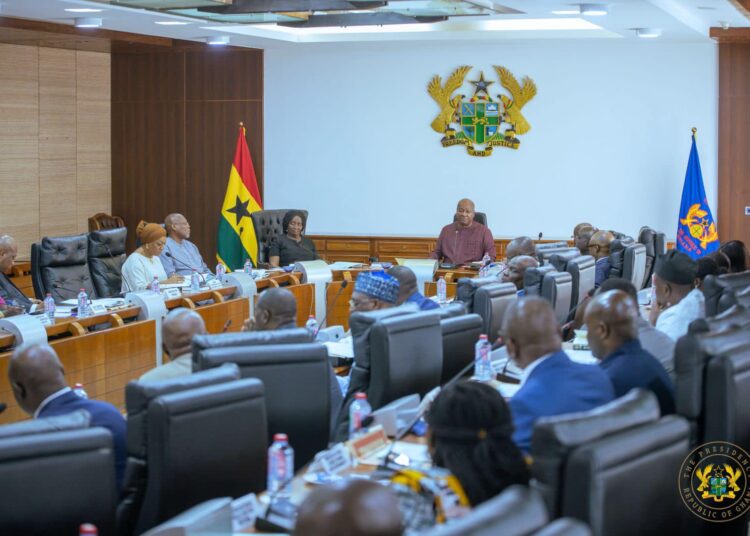
President John Dramani Mahama has disclosed that his government’s cabinet will meet on Friday, July 10, 2026, to complete the official position paper on the Constitutional Review Report, marking a significant step forward in Ghana’s ongoing effort to reform the 1992 Constitution.
President Mahama shared the update while speaking with the outgoing Swiss Ambassador about the progress of his administration’s constitutional review process.
“We’ve gone quite far. The government cabinet is meeting on Friday to complete the government position paper,” President Mahama said, signaling that the process has reached one of its final internal stages before moving toward legal drafting and eventual parliamentary action.
According to President Mahama, once cabinet completes its deliberations, the legal council and the Attorney General will need about a week or two to put the position paper together in its final form.
This step involves translating cabinet’s decisions into a properly structured legal document that can guide the next phase of the reform process.
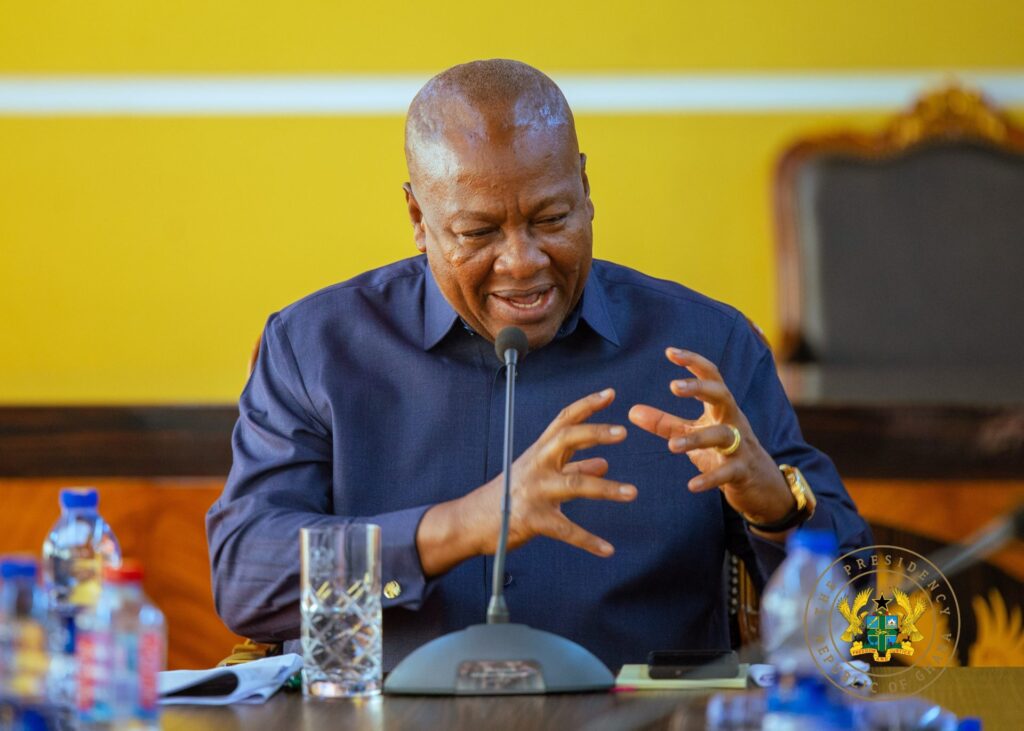
President Mahama explained that after this documentation work concludes, the government will hand over both the Constitutional Review Committee report and the finalized government position paper to the Constitutional Review Implementation Committee.
That handover, he said, will effectively kickstart the implementation phase of the constitutional review.
A Constitution That Has Served Ghana Well
Reflecting on the broader significance of the review, President Mahama offered a measured assessment of the 1992 Constitution’s legacy.
“The 1992 constitution has served us very well. It’s been one of our best constitutions and that is what has been the underpinnings of the fourth republic,” he said, noting that the Fourth Republic has lasted longer than any other republic in Ghana’s history.
President Mahama framed the current reform effort not as a rejection of the constitution’s foundations but as a refinement of them. He said the government believes that any tweaking of the constitution will only go toward strengthening it even more, making it a living document capable of guiding the country for the next 30 years.
He closed his remarks to the Swiss Ambassador by expressing appreciation for the support Switzerland has extended to the process.
The Road That Led to This Point
The current position paper process follows nearly a year of nationwide consultations carried out by an eight member Constitutional Review Committee chaired by Professor H. Kwasi Prempeh.
That committee has since submitted its final recommendations to the government, forming the basis for the position paper now under cabinet review.
Among the committee’s key proposed reforms is an extension of electoral terms, increasing the tenure for both the President and Members of Parliament from four years to five years.

The recommendations also propose a clearer separation between the Legislature and the Executive arm of government, addressing longstanding concerns about the overlap between the two branches.
On local governance, the committee has recommended enhancing the role of chiefs and updating local governance structures to reflect current realities.
From Recommendations to Implementation
With the committee’s work complete, the administration’s focus has shifted toward executing these reforms. President Mahama has already announced the formation of the Constitutional Review Implementation Committee, the body tasked with overseeing how the recommendations move from paper to practice.
Cabinet’s ongoing engagements to finalize the government’s formal position paper represent a necessary step before any legislative or constitutional processes can proceed in Parliament.
This sequencing matters because the position paper will effectively define which of the committee’s recommendations the government formally endorses, setting the agenda for what eventually reaches lawmakers.

With cabinet set to complete its position paper this week, followed by one to two weeks of legal drafting, the constitutional review process appears to be entering its final preparatory phase before formal implementation begins.
Once the Constitutional Review Implementation Committee receives both the committee’s original report and the government’s position paper, the next stage will involve translating recommendations such as extended electoral terms and clearer separation of powers into concrete legislative action.
For a reform process that has already spanned nearly a year of nationwide consultation, the coming weeks will show how closely government’s final position aligns with the committee’s original recommendations, and how quickly those recommendations begin moving through Ghana’s legislative machinery.
READ ALSO: 24-Hour Economy Aims to Make Ghana Industrial Powerhouse by 2035