Governor of Bank of Ghana (BoG), Johnson Pandit Asiama, has announced the landmark agreement under the Ghana Accelerated National Reserve Accumulation Policy (GANRAP) to secure thirty percent of the nation’s large-scale gold output for strategic national reserves.
This historic covenant jointly executed by the Ministry of Finance, the Bank of Ghana, GoldBod, and the Ghana Chamber of Mines serves as an unprecedented policy move to fortify Ghana’s financial sovereignty.
The strategic intervention aims to build an ultimate buffer of 15 months of import cover by 2028, a threshold that substantially surpasses global reserve adequacy metrics.
“Here’s why this matters to every Ghanaian: stronger reserves mean a steadier cedi, more stable prices at the market, and a country better shielded when global shocks hit. The target is 15 months of import cover by 2028 which is well above the standard benchmark for reserve adequacy.”
Governor of Bank of Ghana, Johnson Pandit Asiama
The agreement legally binds participating large-scale mining companies to surrender nearly a third of their domestic gold yield directly into state coffers.
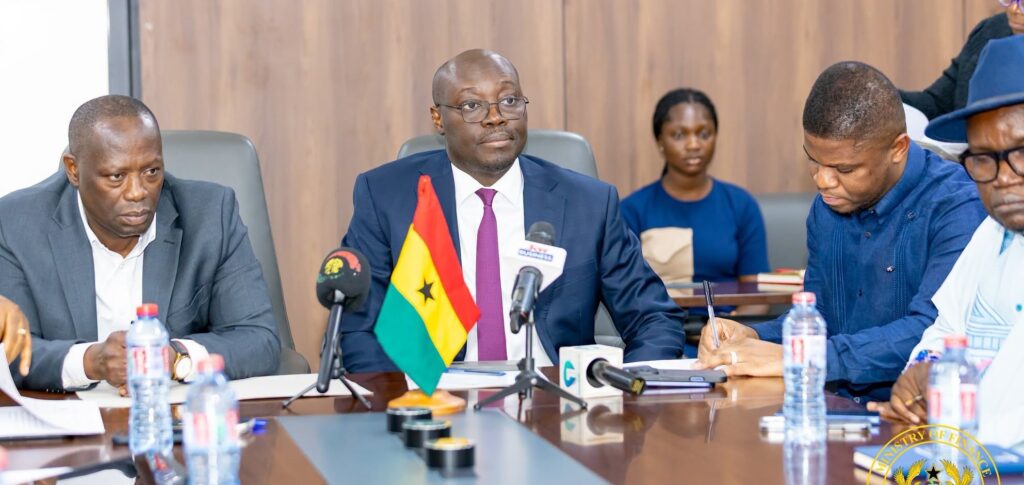
By institutionalizing this framework, the central bank transitions Ghana from a traditional foreign exchange reserve reliance toward a tangible commodity-backed financial ecosystem.
The policy directly addresses systemic macroeconomic vulnerabilities by creating a durable, domestically sourced cushion designed to systematically raise national reserves year after year.
Operational Architecture and Strategic Reserve Targets
The operational framework of GANRAP relies on close, structured alignment among regulatory entities, state buying agencies, and private extractive sector leaders.
By leveraging the specialized mandate of GoldBod alongside the institutional reach of the Bank of Ghana, the government can systematically mop up physical bullion straight from large-scale mines.
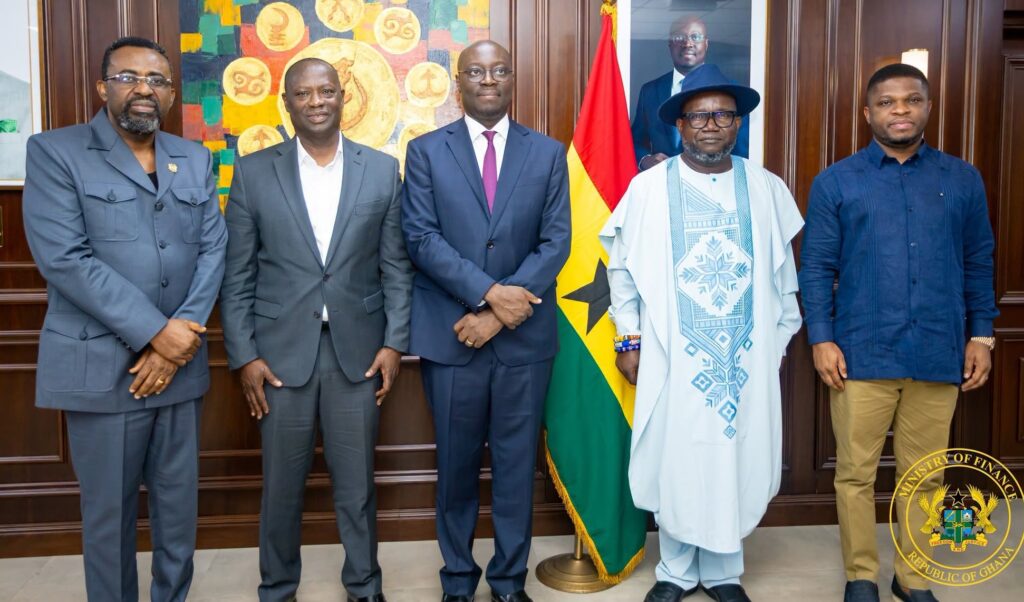
Central bank leadership noted that this collaborative model establishes a mutually beneficial ecosystem that protects corporate interests while fulfilling sovereign financial objectives.
The long-term projection targets an unprecedented 15 months of import coverage by 2028, positioning Ghana far beyond the international gold standard for economic safety.
For context, the International Monetary Fund generally recommends a baseline of three months of import cover for developing economies, making Ghana’s target a transformative leap in fiscal risk management. Governor Asiama extended “sincere thanks to the Ministry of Finance, the Ghana Chamber of Mines, GoldBod and all participating mining companies for their commitment to this national effort.”
Macroeconomic Stability and Currency Strengthening
At its core, the economic rationale of this gold-backed accumulation policy lies in stabilizing the local currency and taming domestic inflation.
By withholding a third of industrial gold production locally, the Bank of Ghana dramatically enhances its capacity to supply foreign exchange without depleting liquid foreign currency holdings.

This substantial boost in international reserves sends a strong signal to global currency markets, actively deterring speculative attacks against the Ghanaian cedi.
As the central bank steadily builds an impenetrable balance sheet, the cedi experiences enhanced stability against major trading currencies like the US dollar.
A stable currency translates directly to reduced import bills, curbing imported inflation and bringing predictable pricing to local market squares. Citizens will ultimately benefit from lower cost-of-living pressures and a more predictable business environment as macro volatility subsides.
Insulation from Global Shocks and Economic Resilience
Beyond short-term stabilization, building a massive gold reserve offers an enduring shield against global economic disruptions.
In an increasingly volatile global landscape marked by supply chain bottlenecks, geopolitical turmoil, and commodity price swings, traditional paper reserves are vulnerable to rapid depreciation.

Physical gold, however, provides a reliable counter-cyclical hedge, preserving intrinsic wealth when external crises emerge.
By establishing a target of 15 months of import cover, Ghana secures an “economic war chest” capable of funding essential imported goods such as crude oil, fertilizers, and medical supplies even during severe export revenue downturns.
Furthermore, this formidable financial defense enhances the nation’s sovereign credit ratings, lowering borrowing costs across international capital markets.
Ultimately, this MoU fundamentally rewrites Ghana’s extractive resource paradigm, turning raw gold extraction into an enduring pillar of long-term economic independence and financial stability.
READ ALSO: Mahama Unveils Five-Year Plan to Cut Ghana’s Dependence On Imported Medicines