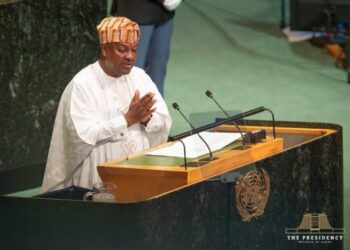
Hon. Ato Forson, Ghana’s Finance Minister, has formally executed a groundbreaking Memorandum of Understanding under the Ghana Accelerated National Reserve Accumulation Policy (GANRAP) to stockpile a significant portion of the country’s domestically mined precious metals.
The landmark agreement directly answers the administration’s urgent call to build robust external buffers by legally anchoring domestic gold production to the central bank’s foreign exchange retention strategies.
By leveraging the extractive sector, the Ghanaian government aims to drastically improve its balance of payments without relying on expensive international capital markets.
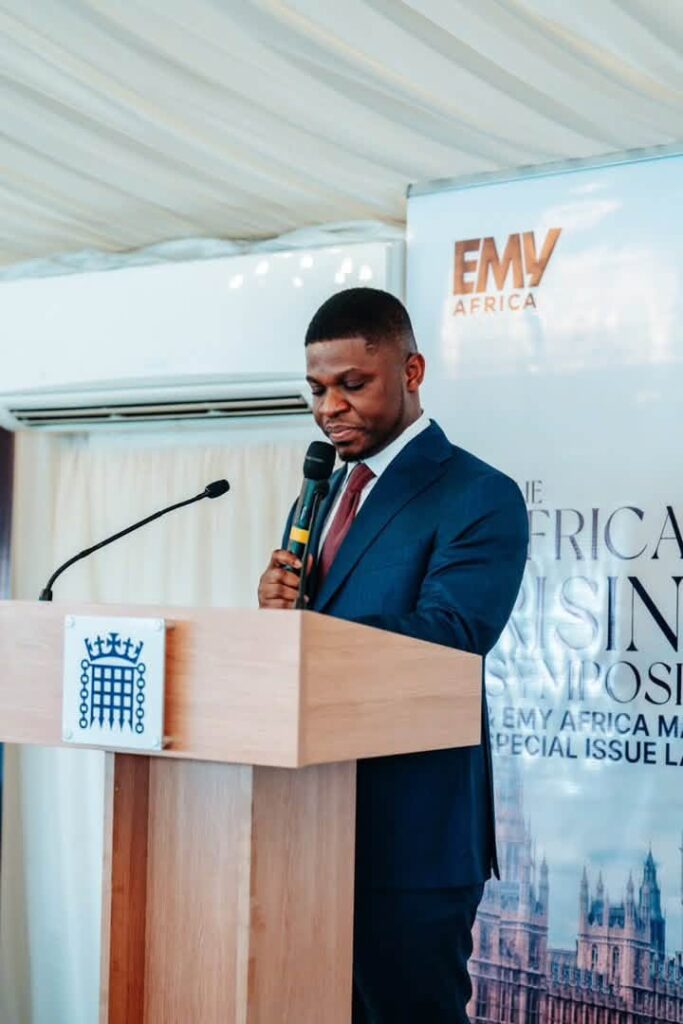
“I Signed today, a landmark MoU under #GANRAP securing 30% of large-scale gold output for Ghana’s strategic reserves. Our target is 15 months import cover by 2028. Together, we are building an economic war chest that will shield our nation from external shocks, stabilise the cedi, and secure our economic future.”
Hon. Ato Forson, Ghana’s Finance Minister,
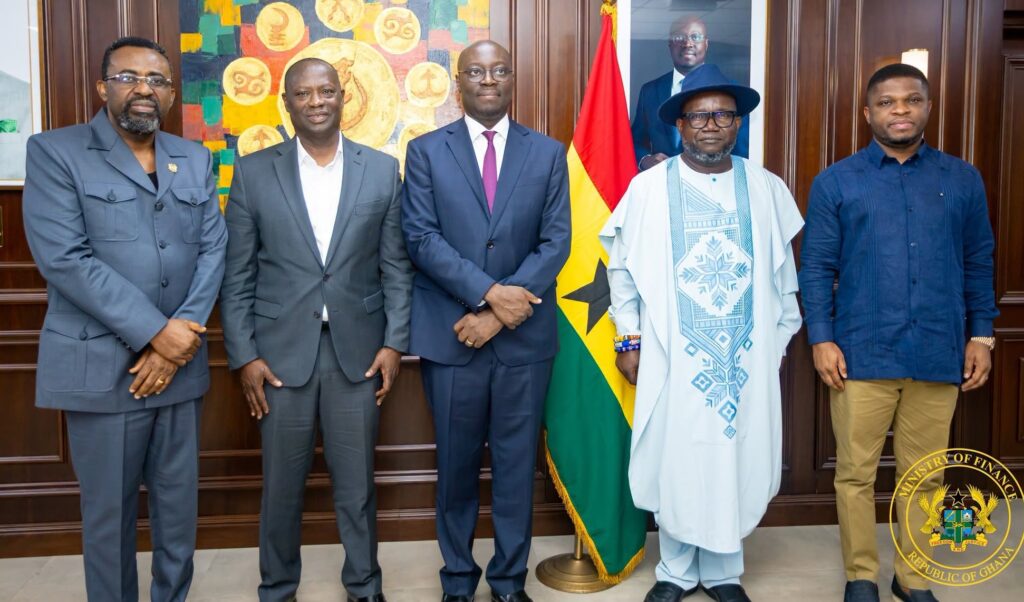
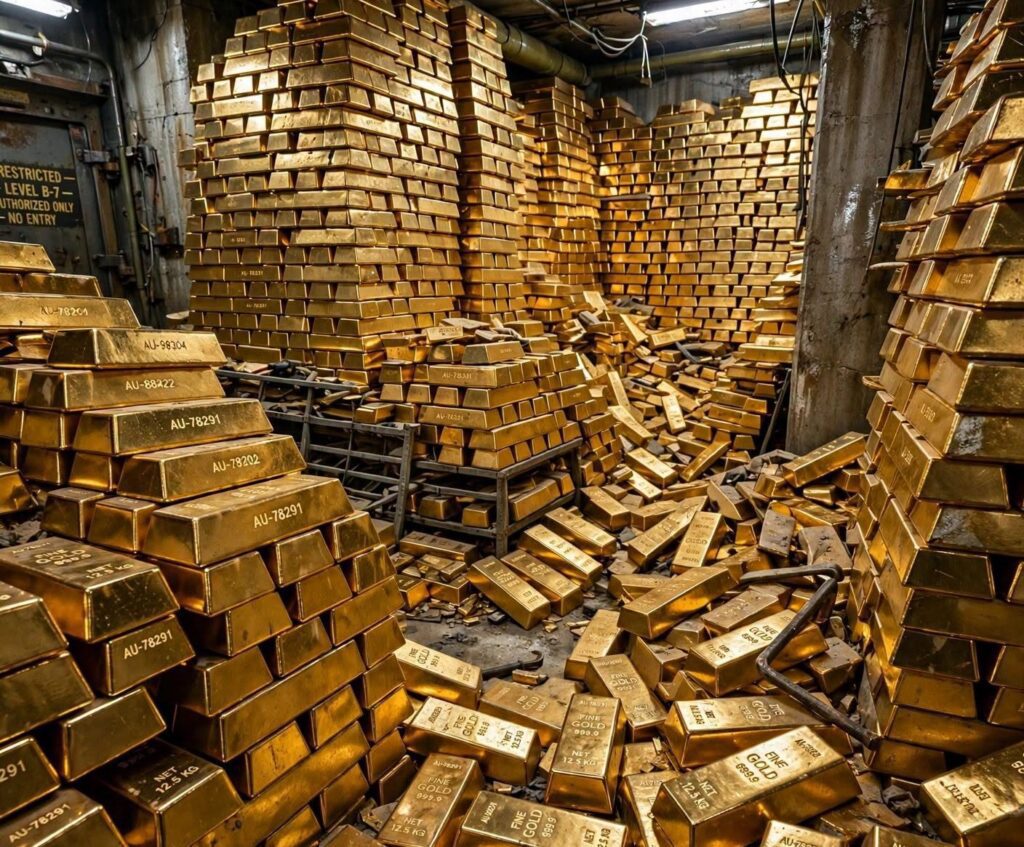
This pivotal framework specifically mandates that thirty percent of all gold excavated by major mining operators must now be channeled directly into the state’s strategic financial vaults.
As a critical pillar of President John Dramani Mahama’s broader economic reset agenda, the initiative transitions the country away from short-term borrowing to a structured, commodity-backed financial architecture.
The timeline for this aggressive accumulation is precise, setting a clear institutional mandate to dramatically multiply the nation’s import cover metric within a four-year horizon, culminating in unprecedented national savings.
Industry Collaboration and Stakeholder Commitment
The successful execution of this policy hinges on unprecedented cooperation between state apparatuses and private extractive conglomerates.
During the signing ceremony, the minister expressed profound gratitude to the Ghana Chamber of Mines, recognizing their vital role in aligning corporate output with sovereign fiscal goals.
Securing such a high retention quota required extensive negotiations to ensure that the operational cash flows of multinational giants were not unduly disrupted.
Mining executives have demonstrated immense goodwill by buying into this nationalistic vision, understanding that a stable domestic economy ultimately lowers their operational risks and costs.
Furthermore, this cooperative model sets a new standard for resource-rich African nations attempting to maximize local value retention.
It shifts the paradigm from simple royalty collection and corporate taxation to active physical asset retention.
Consequently, the collaboration ensures that the wealth generated deep within the Ghanaian soil directly translates into tangible fiscal security for the broader population, establishing a mutualistic ecosystem between government regulators and foreign investors.
Macroeconomic Implications for the Ghanaian Cedi
At the core of this monumental agreement lies the urgent necessity to arrest the perennial depreciation of the local currency.
Historically, the cedi has suffered immense volatility due to severe mismatches between foreign exchange demand from importers and the central bank’s available dollar liquidity.
By hoarding nearly a third of industrial gold production, the Bank of Ghana can steadily build its reserves, injecting confidence into the forex market.

This asset-backed strategy curtails speculative attacks on the currency, as traders recognize the central bank possesses the physical firepower to intervene during liquidity crunches.
The finance chief emphasized that this retention serves to “stabilise the cedi,” a critical step in lowering imported inflation and reducing the cost of living for ordinary citizens.
Furthermore, a robust currency environment drives down benchmark interest rates, providing local businesses with access to cheaper credit facilities.
The ripple effect of a stable exchange rate will inevitably permeate every sector, from retail to manufacturing, fostering an environment conducive to long-term foreign direct investment and sustained commercial growth.
Shielding the Economy from Global Shocks
Beyond currency stabilization, the structured bullion accumulation introduces a formidable defensive mechanism against external geopolitical and economic turbulence.
In an era characterized by unpredictable supply chain disruptions, fluctuating oil prices, and sudden shifts in global monetary policy, having a substantial reserve is completely necessary.
The intermediate targets, scaling up from current metrics to ultimately achieve fifteen months of import capacity, reflect a highly disciplined fiscal trajectory.
Officials proudly declared that authorities and miners are constructing an “economic war chest,” guaranteeing that the republic can comfortably finance its essential imports, such as pharmaceuticals, machinery, and refined petroleum, even if export revenues temporarily collapse.
Additionally, possessing strong external buffers significantly improves Ghana’s sovereign credit ratings, thereby lowering the risk premium attached to any future international borrowing.
Ultimately, this visionary extractive policy transforms raw, unrefined minerals into a durable financial fortress, ensuring that future generations inherit a resilient, secure macroeconomic foundation capable of withstanding the harshest of global financial storms.
This proactive approach perfectly aligns with sustainable economic governance principles championed by leading African sovereign development experts.
READ ALSO: UK Defends Russian-Linked Tanker Seizure as Putin Warns of Retaliation