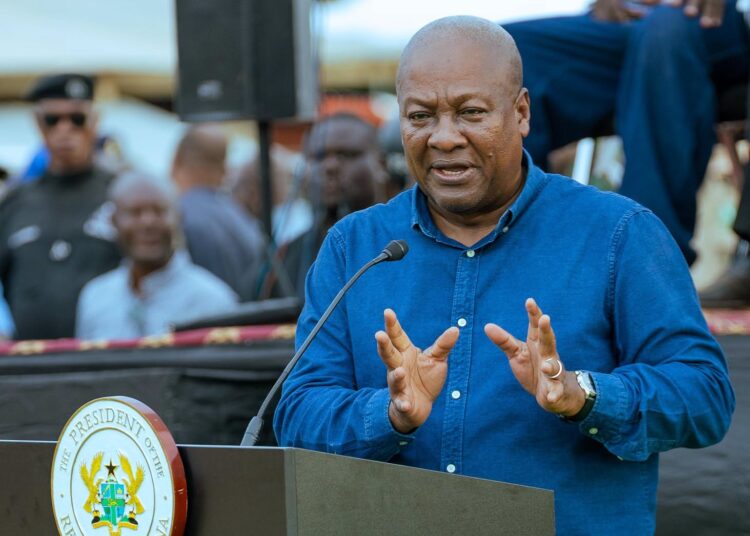
President John Dramani Mahama has disclosed that the National Vaccine Institute, the Ministry of Health and other institutions, including the Pharmaceutical Association of Ghana, have presented a five-year plan to move the country towards self-sufficiency in pharmaceutical production.
He made the disclosure at the Free Primary Healthcare Durbar at Zuarungu Health Centre during his Resetting Ghana Tour of the Upper East Region. The President said Ghana imports about 70 percent of the medicines it consumes despite holding the capacity to produce many of them at home.
He linked the plan directly to the cost of delivering Free Primary Healthcare, arguing that local production would lower procurement costs and make it easier for government to supply essential medicines through the programme.
President Mahama framed the issue as one of dependence rather than capability, and he put a figure on it. “At present, Ghana imports about 70 percent of the medicines we use. However, we have the capacity to produce many of these medicines locally,” he said.
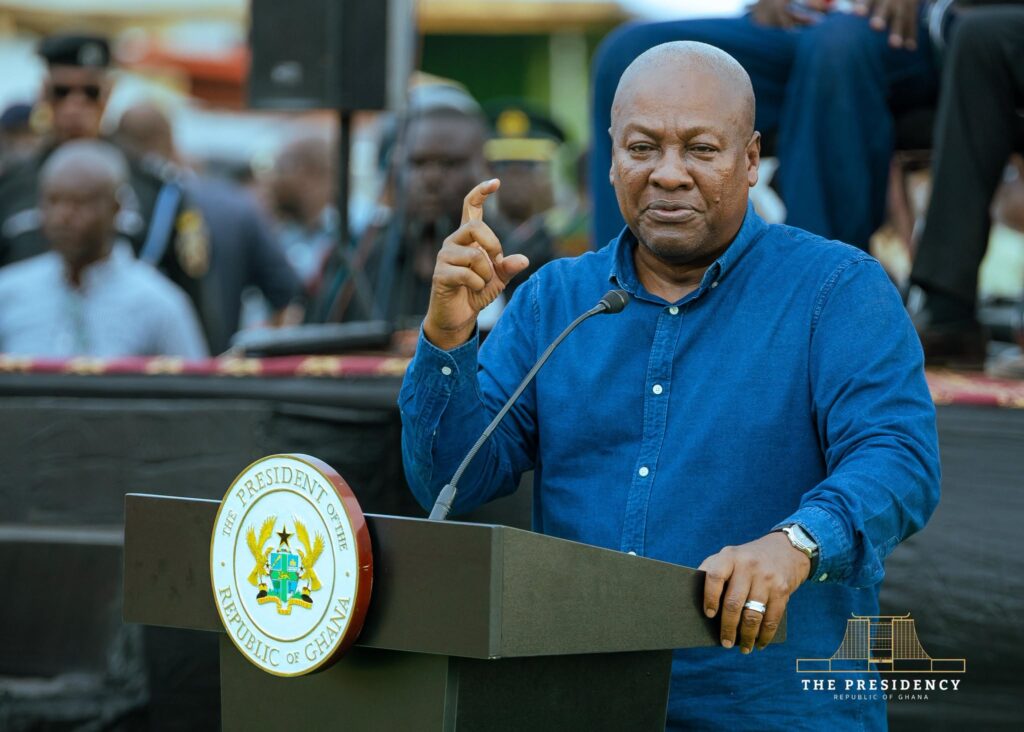
The gap between what the country can make and what it buys is the problem the plan sets out to close. A health system that sources most of its medicines abroad carries exposure to currency movements, shipping delays and supply shocks, none of which sit within the government’s control.
What the five-year plan proposes
The President said the presentation came two days before he spoke, and he named the institutions behind it. “Two days ago, the National Vaccine Institute, the Ministry of Health and other relevant institutions, including the Pharmaceutical Association of Ghana, presented a five-year plan to achieve greater self-sufficiency in pharmaceutical production,” he said.
Its ambition extends past the domestic market. “The five-year plan seeks to expand Ghana’s pharmaceutical industry so that we can produce medicines for domestic consumption and eventually export to neighbouring countries,” he said.
The reasoning connects to the healthcare programme he was in Zuarungu to launch. “Producing more medicines locally should reduce procurement costs and make it easier for government to provide essential medicines through the Free Primary Healthcare programme,” he said.
Local capacity takes years to build, and the President described an interim arrangement covering the conditions the home visit programme is most likely to detect. “In the meantime, government has entered into agreements with pharmaceutical manufacturers to ensure that medicines required for conditions such as hypertension and diabetes are available,” he said.
The choice of conditions is deliberate. Community health nurses conducting household assessments will check blood pressure and other indicators, and a screening programme that identifies hypertension without securing the medication to treat it produces diagnoses rather than outcomes.
He closed the section with an appeal to residents. “I therefore encourage everyone to take advantage of the home visits and allow health workers to examine you and your families,” he said.
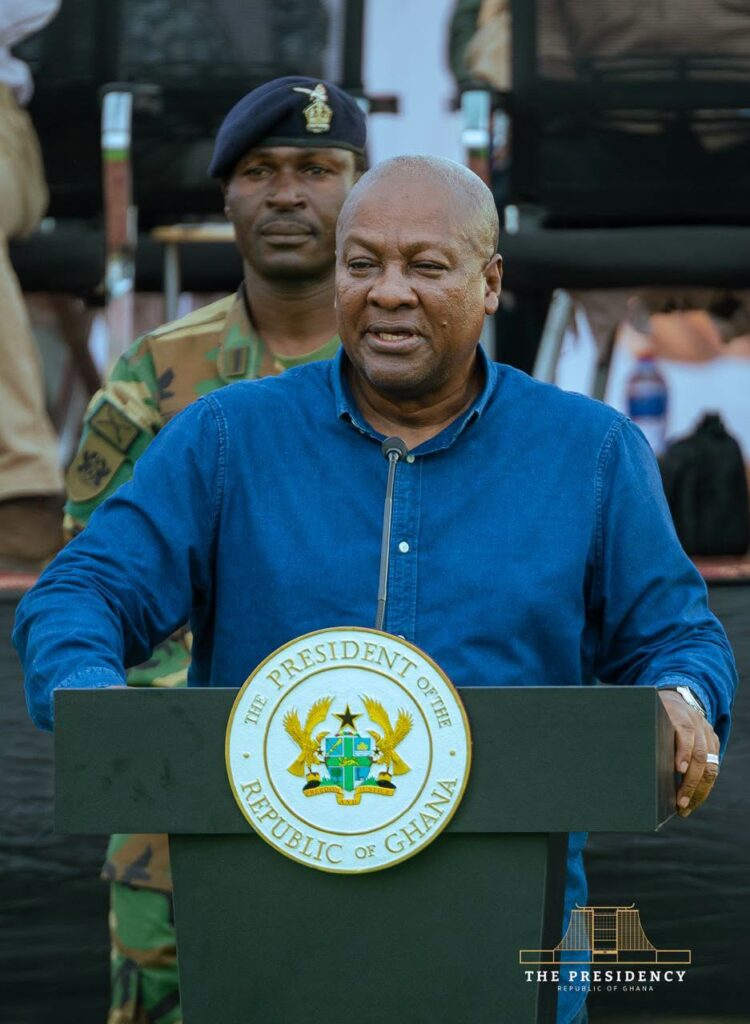
The 2030 deadline behind the plan
The pharmaceutical push sits within a wider transition Ghana faces at the end of this decade. Support from Gavi, the Vaccine Alliance, which currently covers approximately 80 percent of the cost and distribution of vaccines underpinning the national immunisation programme, ends once Ghana reaches middle-income status.
Finance Minister Dr Cassiel Ato Forson set out the fiscal consequence in May 2026, during a meeting in Accra with the World Health Organisation’s Regional Director for Africa, Mohamed Yakub Janabi.
He said that as Global Fund support for vaccines and critical medicines winds down by 2029, the government is taking steps to ensure that from January 2030, Ghana fully budgets for and finances those vaccines and essential medicines.
President Mahama had earlier announced the same target at the World Health Assembly in Geneva, saying Ghana is on course to exit Gavi funding by 2030 as part of a push for health sovereignty, which he described as a country’s practical ability to finance healthcare, regulate quality standards and produce essential medical supplies locally.
The government has moved money towards that goal. At a vaccine manufacturing investment forum in Accra in August 2025, President Mahama committed an additional US$50 million to the seed fund of the National Vaccine Institute, bringing the total to US$75 million for building and equipping manufacturing infrastructure.
He grounded the urgency in the pandemic, noting that Africa received less than one percent of global vaccine production during the COVID-19 crisis.
Where the plan will be tested
The President did not disclose the cost of the five-year plan, the manufacturers government has contracted, or which categories of medicine the expansion will prioritise. Nor did he say when the plan moves from presentation to implementation.
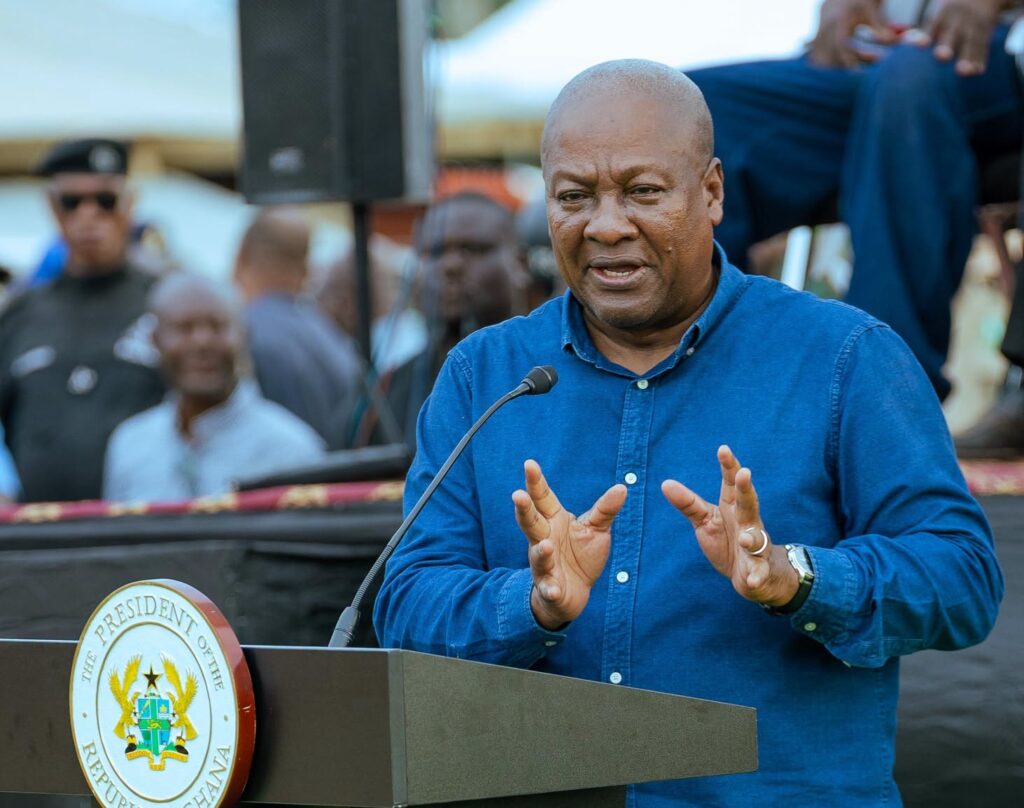
Those details matter because the target date is fixed while the capacity is not. Ghana has until January 2030 to finance and, on the government’s stated ambition, largely produce the vaccines and essential medicines that external partners currently underwrite.
For patients in the Upper East Region, the test arrives sooner. A home visit that detects hypertension is only as useful as the pharmacy shelf that follows it, and the agreements the President described will be measured at CHPS compounds and health centres rather than in manufacturing plans.
READ ALSO: Economy Grows 5.1%, But Ghana Faces Sector Imbalance