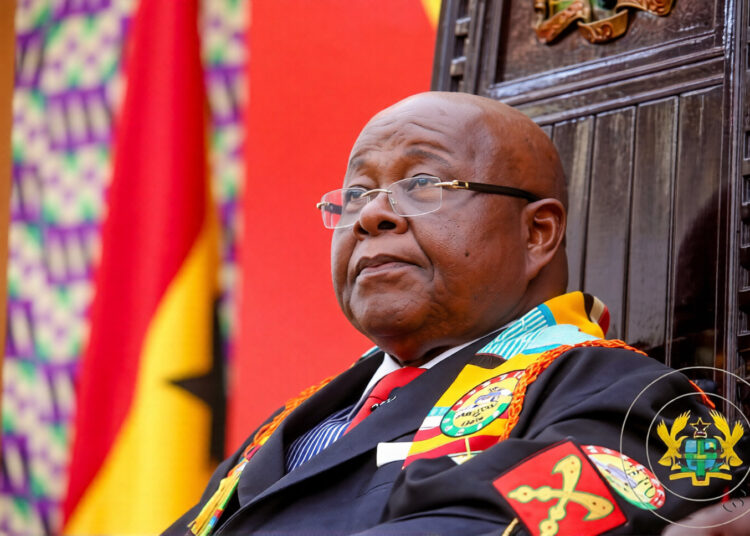
Former Speaker of Parliament Prof. Aaron Mike Oquaye has called for a comprehensive review of the constitutional arrangements governing Ghana’s judiciary to strengthen its independence. He argued that the appointment, conditions of service and removal of judicial officers must be carefully structured to minimise political discretion.
Prof Oquaye explained that constitutional safeguards should place clear limits on the authority exercised by political officeholders in matters concerning the judiciary. He referenced earlier constitutional arrangements that identified the most senior judges for particular judicial committees, arguing that such provisions restricted arbitrary choices in the composition of panels.
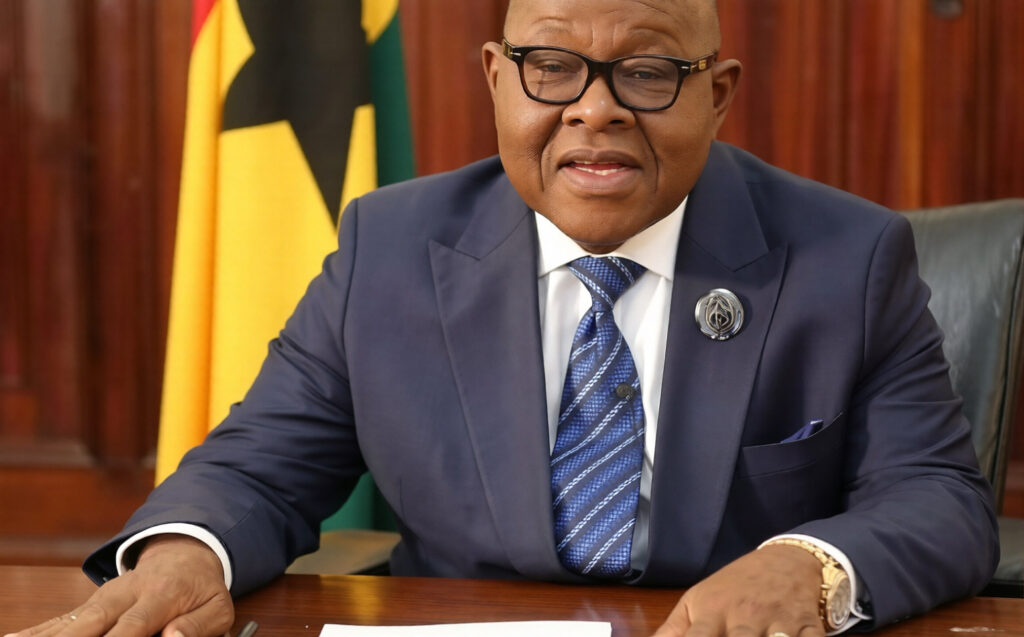
Directing attention to the proposed reforms, the Former Speaker questioned arrangements that could allow a President excessive latitude in selecting persons for senior judicial positions. He warned that uncertainty over presidential discretion could generate public speculation about political considerations influencing judicial appointments.
“It’s very, very important to limit discretion in the exercise of power.”
Prof. Aaron Mike Oquaye
Discussing this further, Prof Oquaye argued that constitutionalism requires clearly defined boundaries around the exercise of public authority. He noted that earlier constitutional models contained provisions designed to reduce the room for personal discretion when important judicial responsibilities were being assigned.
On the issue of judicial independence, the Former Speaker stressed that institutional autonomy must be supported by appropriate conditions of service. He explained that protecting the judiciary requires attention not only to who appoints judges but also to the circumstances under which they serve and the procedures governing their removal.
Referencing the removal process for a Chief Justice, Prof Oquaye questioned whether the existing framework provides sufficient protection against political influence. He pointed to the role of the President, consultations with the Council of State and the composition of a committee that determines the matter.
Analysing the proposed framework, he drew attention to the fact that the committee would comprise two judges and three non-lawyers, with a majority decision determining the outcome. He further questioned the absence of an appeal after a proceeding conducted in secret.
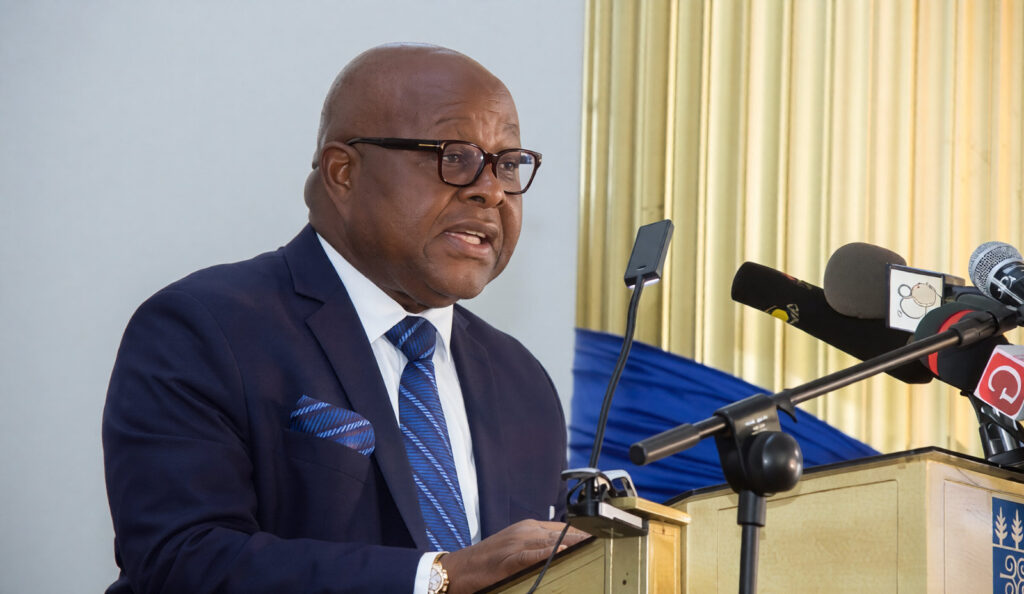
“We want the judiciary to be devoid of politics. If that is so, we must examine how we nominate the person, how the person is appointed, the conditions of service, and how anybody can be dismissed.”
Prof. Aaron Mike Oquaye
Meanwhile, Prof Oquaye urged stakeholders involved in the constitutional review to continue examining the proposals despite the progress already made in the process. He maintained that further analysis could still identify areas where changes would improve the final constitutional framework.
Former Speaker of Parliament Opposes Partisan Politics in Local Government
Former Speaker of Parliament Prof. Aaron Mike Oquaye urged constitutional reformers to preserve Ghana’s longstanding principle of keeping partisan politics out of local government. He argued that proposed changes to the district-level governance structure must remain consistent with the principle that has guided local administration since the late 1980s.
Prof Oquaye referenced the local government system introduced under former President Jerry Rawlings in 1988, noting that its design placed emphasis on non-partisan participation at the district level. He explained that this principle has also received strong public backing through an Institute of Economic Affairs survey.
Turning to the proposed reforms, the Former Speaker questioned arrangements under which the President would nominate five persons for consideration, with three eventually approved before the electorate votes. He argued that the involvement of a politically elected President at the beginning of the process creates a potential partisan dimension that requires careful examination.
Speaking about the proposed nomination structure, Prof Oquaye noted that the President is himself a political actor who has emerged through a party-based electoral system. He therefore questioned whether the proposed role of the presidency in selecting potential candidates is compatible with the non-partisan character traditionally associated with district-level governance.
On this, he argued that the constitutional review should not treat individual proposals in isolation. Instead, Prof Oquaye urged those assessing the reforms to consider the underlying principles that have shaped Ghana’s local government system over time.
Furthermore, the Former Speaker raised questions about the continued presidential appointment of one-third of members of local assemblies. He contended that the issue deserves closer examination because the appointing authority is also a political figure.
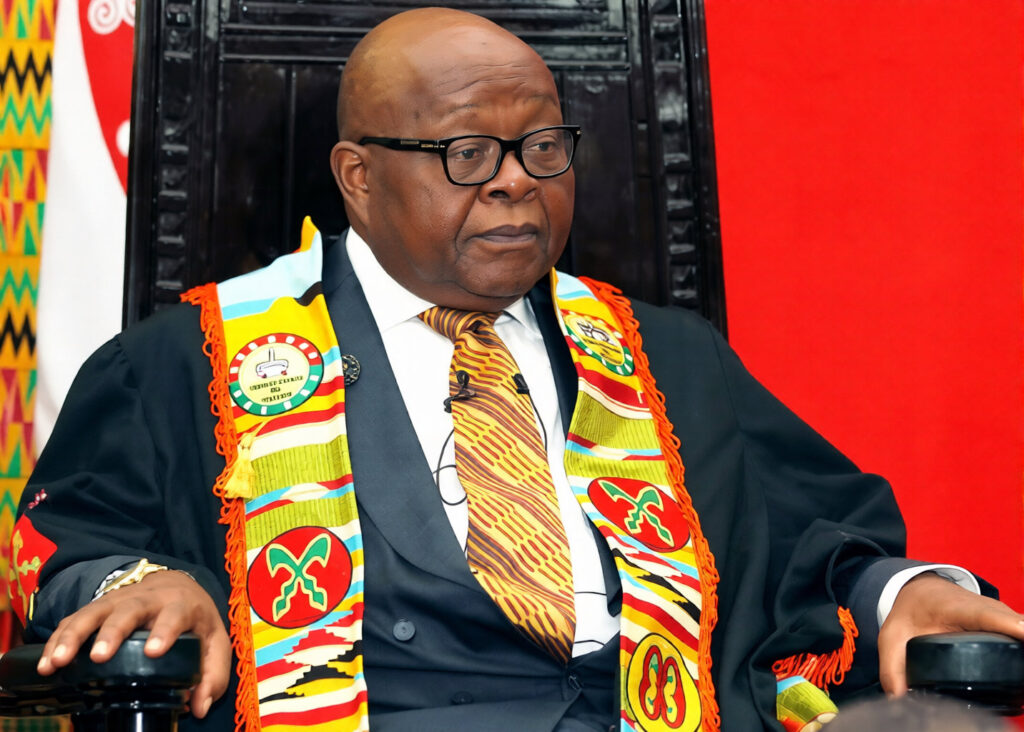
Referencing the IEA’s survey findings, Prof Oquaye noted that respondents overwhelmingly expressed support for keeping party politics away from the district level. He therefore maintained that any amendments should take account of this public preference when determining the future structure of local governance.
Discussing the wider constitutional exercise, Prof Oquaye stressed the importance of first identifying the precise problems that proposed amendments are intended to solve. He argued that lawmakers should examine why changes are necessary, how they should be implemented and what effects they are expected to produce.
“If that is so, then our further amendments must consider that consistent past and refining underpinning principle.”
Prof. Aaron Mike Oquaye
Nevertheless, Prof Oquaye acknowledged that the constitutional review process remains capable of benefiting from further analysis and public discussion. He encouraged authorities and civil society organisations to continue examining the proposals so that areas requiring refinement can receive attention before the reforms are completed.
READ ALSO: GIZ, Strengthening Food and Nutrition Security Takes Centre Stage in Accra