
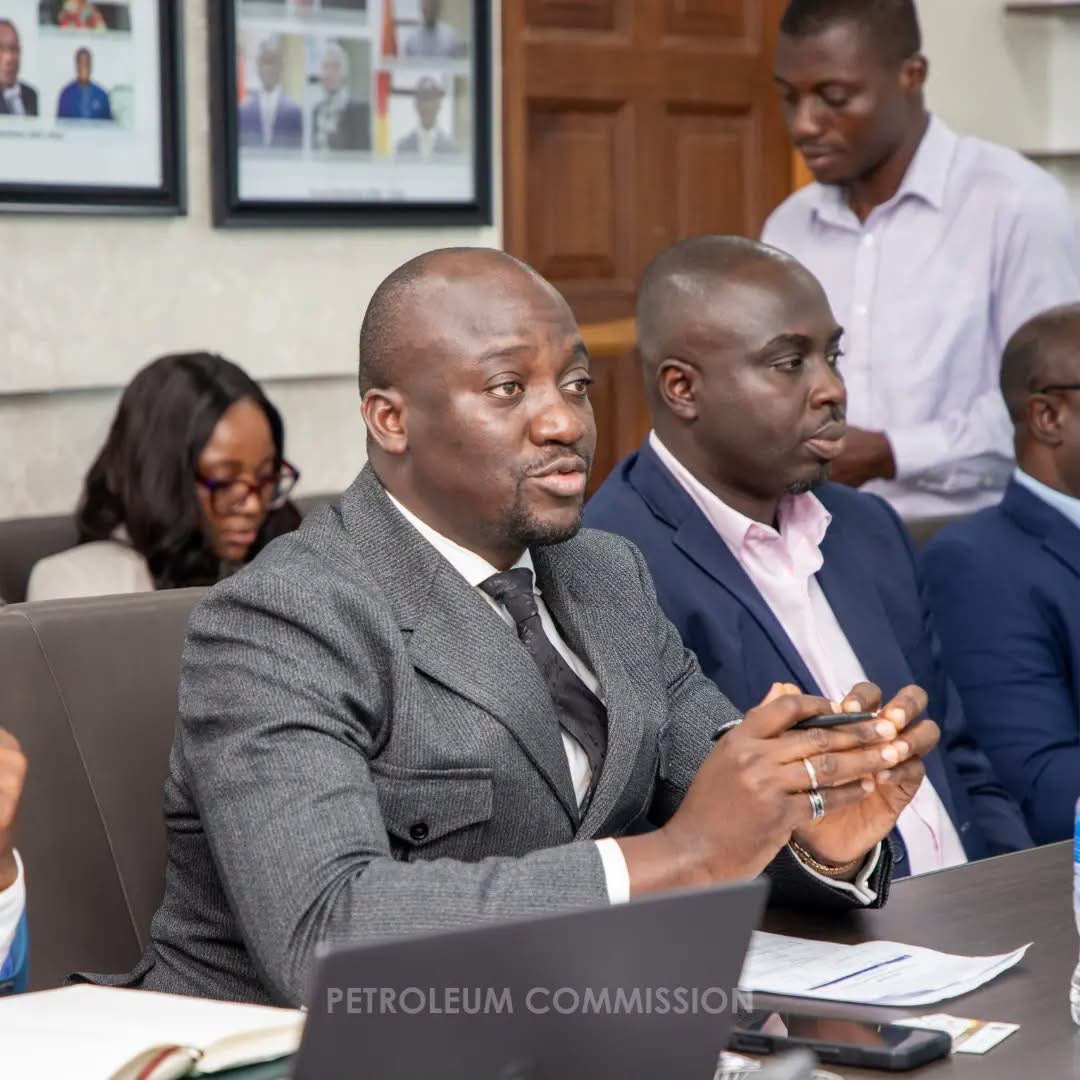
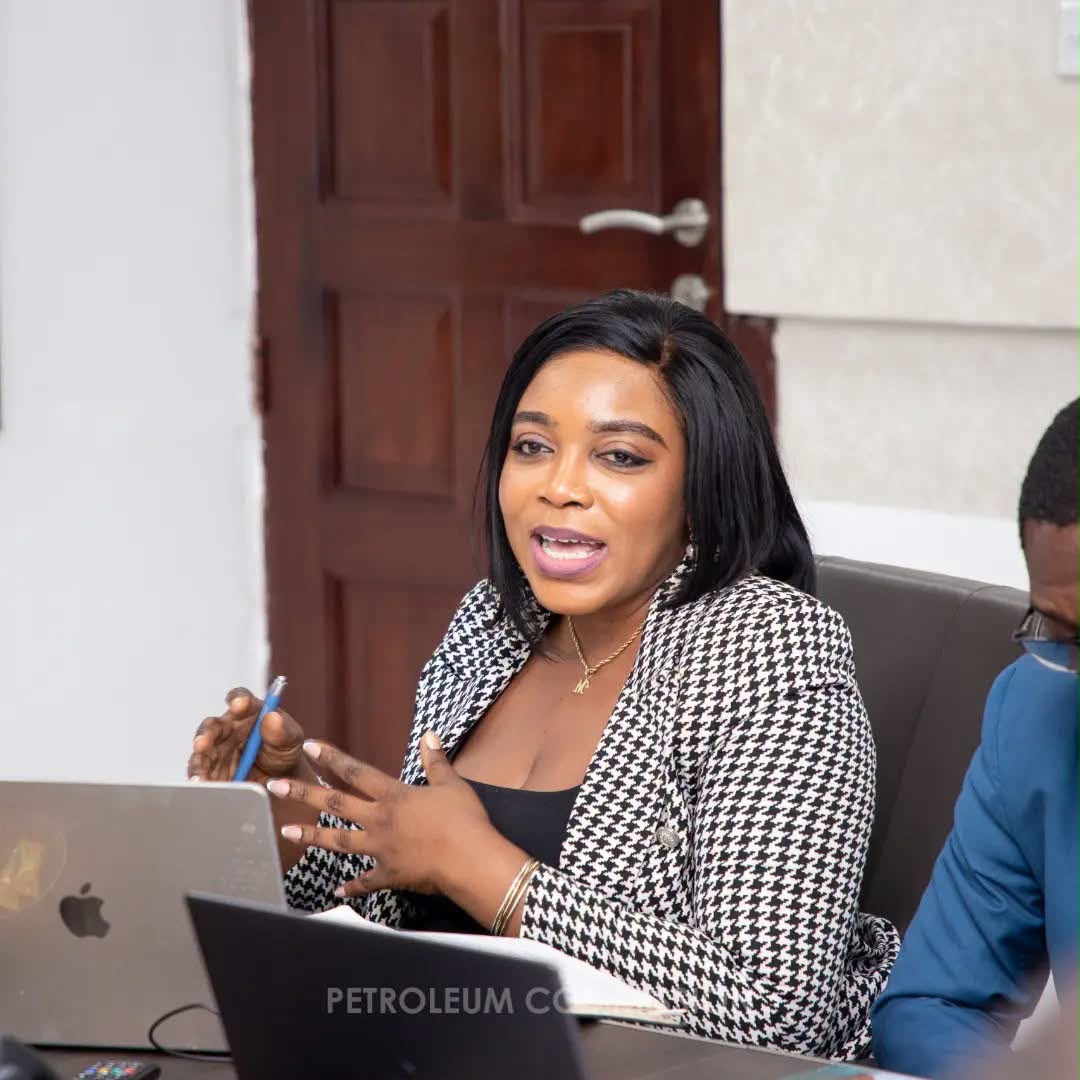
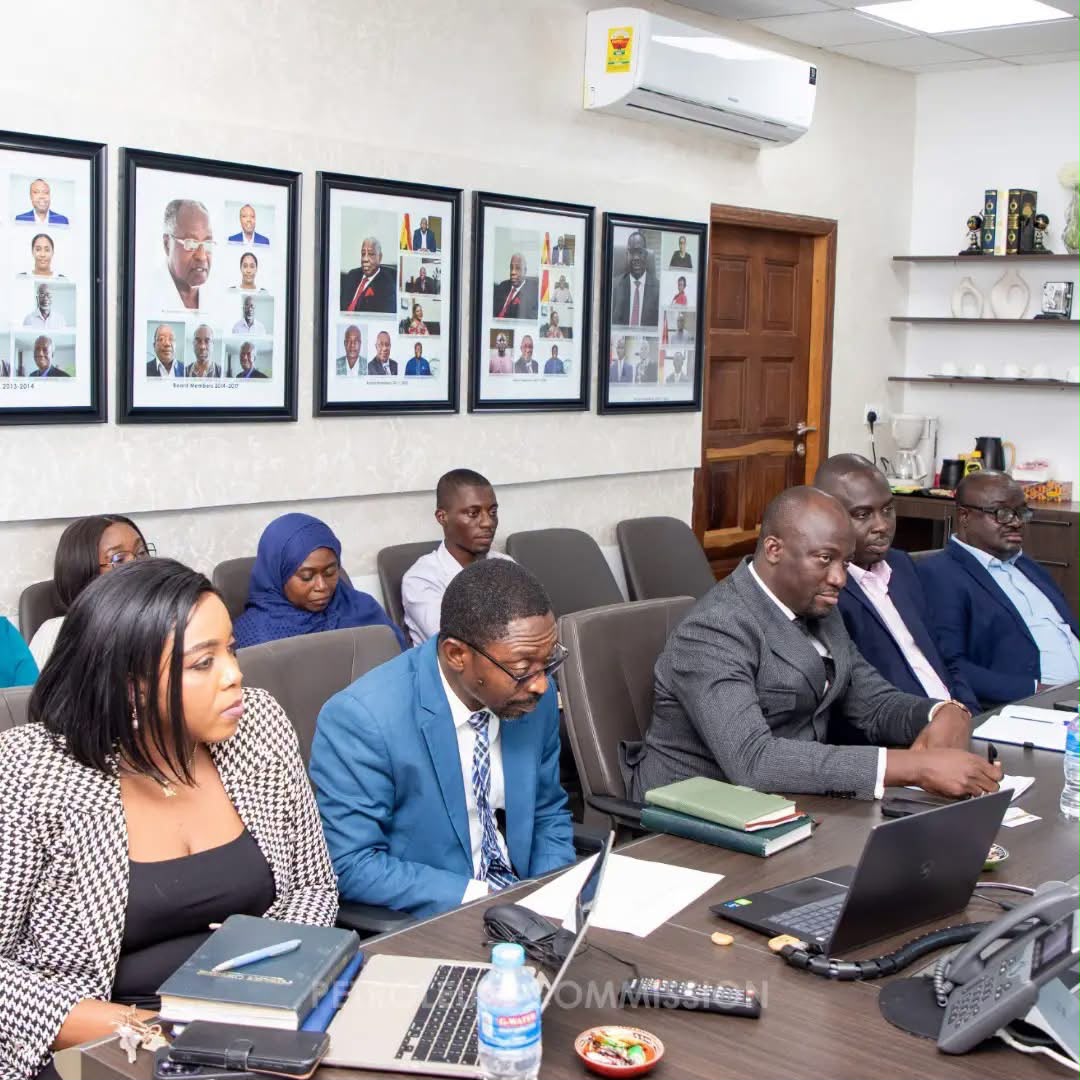
Ghana is increasingly positioning its upstream petroleum experience as a resource that can be shared beyond its own borders, as the Petroleum Commission hosts officials from the Eswatini National Petroleum Company (ENPC) for a study visit focused on the development and management of petroleum resources.
The engagement forms part of Ghana’s broader effort to support peer learning among African energy institutions, particularly countries seeking to establish or strengthen the systems required to derive economic value from hydrocarbons.
For Eswatini, the visit comes as ENPC continues to develop its institutional and technical capabilities. For Ghana, it offers an opportunity to demonstrate how regulatory, technical and commercial institutions have evolved alongside the country’s petroleum industry.
The Petroleum Commission said its commitment to sharing its experience reflects the importance of ensuring that emerging petroleum-producing countries are able to build strong systems around their resources from the outset.
From Resource Discovery To Economic Value
The significance of the engagement extends beyond the exchange of technical information.
Developing petroleum resources requires more than finding commercially viable hydrocarbons. Countries need regulatory institutions capable of overseeing operators, systems for managing investment and revenues, technical expertise to monitor complex operations and policies that ensure petroleum activity contributes to broader economic development.
Ghana’s experience since the discovery of commercial quantities of oil has involved the development of precisely such an institutional ecosystem.

The Petroleum Commission, established under the Petroleum Commission Act, 2011 (Act 821), has responsibility for regulating and managing upstream petroleum activities and coordinating upstream petroleum policies.
Its engagement with ENPC therefore provides an opportunity to share lessons not merely about petroleum operations, but about the institutional architecture surrounding them.
The Commission has previously undertaken similar knowledge-sharing engagements with African institutions, including a study visit involving the Bank of Tanzania that examined Ghana’s regulatory framework, fiscal regime and institutional coordination.
That growing peer-learning role is important as African countries seek to reduce dependence on externally developed approaches to petroleum governance.
“The Petroleum Commission remains committed to sharing its experiences with new oil producing countries as they also strive to gain economic value from the hydrocarbon resource.”
The statement captures a broader opportunity for Ghana: turning the experience accumulated through its own petroleum development into technical and institutional knowledge that can strengthen the wider African energy sector.
Ghana’s Regulatory Experience Offers A Practical Reference
For ENPC, Ghana provides a useful case study because its petroleum institutions have had to evolve alongside the industry.
The country has moved from the early stages of petroleum development to a more established upstream sector involving producing fields, international operators, local companies, regulatory institutions and an increasingly developed local-content framework.
That evolution has also exposed Ghana to the practical challenges that accompany petroleum production, including the need to balance investment attraction with national interests, strengthen local participation and maintain regulatory certainty.
The Petroleum Commission has recently emphasised that Ghana’s next phase of upstream development will require stronger exploration, new investment, development of discoveries and greater value retention within the country.
Those lessons could be particularly relevant to a country building its own petroleum-sector capabilities.
ENPC’s own leadership has indicated that the company is interested in understanding Ghana’s experience as it develops the institutional structures and capabilities required for its evolving petroleum sector.
The value of such an exchange lies partly in allowing Eswatini to examine both what Ghana has achieved and the institutional adjustments that became necessary as the sector developed.
Institutional Strength Matters As Petroleum Ambitions Grow
A major lesson from Ghana’s experience is that petroleum development cannot be separated from the strength of the institutions responsible for managing it.
A country may possess petroleum resources, but weak regulatory capacity can limit its ability to monitor operations, enforce standards, negotiate effectively and ensure that resource development generates lasting domestic value.
That makes capacity development an economic issue as much as a regulatory one.
For Eswatini, developing the capabilities of ENPC at an early stage could help establish clearer institutional roles as its petroleum ambitions evolve. Ghana’s experience provides an African reference point for considering how a national petroleum institution can develop alongside the wider sector.
For Ghana, meanwhile, sharing that experience can strengthen its position as a regional centre for petroleum-sector knowledge.
The Petroleum Commission has already described peer learning and regulatory cooperation as part of its wider continental role, with Ghana increasingly serving as a destination for exchanges involving other African institutions.
Knowledge Sharing Could Deepen African Energy Cooperation
The engagement also points to a wider shift in Africa’s energy landscape.
Historically, much of the technical expertise supporting petroleum development on the continent has come through international oil companies, foreign consultants and external institutions. While those partnerships remain important, African institutions are increasingly building knowledge that can be shared among themselves.
That creates an opportunity for countries with more established petroleum sectors to support countries at earlier stages of development.
Such cooperation can be particularly valuable because African petroleum markets often face comparable challenges: attracting capital, strengthening regulation, developing local expertise, negotiating with international operators and ensuring that resource wealth translates into broader economic gains.
The Petroleum Commission’s engagement with ENPC consequently represents more than a study visit. It is part of a potentially larger model in which African energy institutions become sources of expertise for one another.
The Commission has indicated that it remains open to continued technical cooperation and knowledge exchange with institutions across the continent.
“Sharing our journey is part of our commitment to promoting sound resource governance across the continent.”
Petroleum Commission
That approach could become increasingly relevant as African countries attempt to maximise the economic value of their natural resources while navigating a global energy market that is becoming more competitive and increasingly shaped by the energy transition.
Ghana’s Experience Carries Responsibility
For Ghana, the opportunity to share its upstream experience also comes with an important responsibility.
The country’s petroleum industry is itself entering a critical phase, with the Petroleum Commission pursuing renewed exploration, investment and development opportunities while seeking to reverse production challenges and increase the value retained domestically.
Sharing Ghana’s experience should therefore not be understood as presenting the country’s petroleum journey as complete.
Rather, the value lies in exposing other countries to the institutional choices, adaptations and lessons that have emerged along the way.
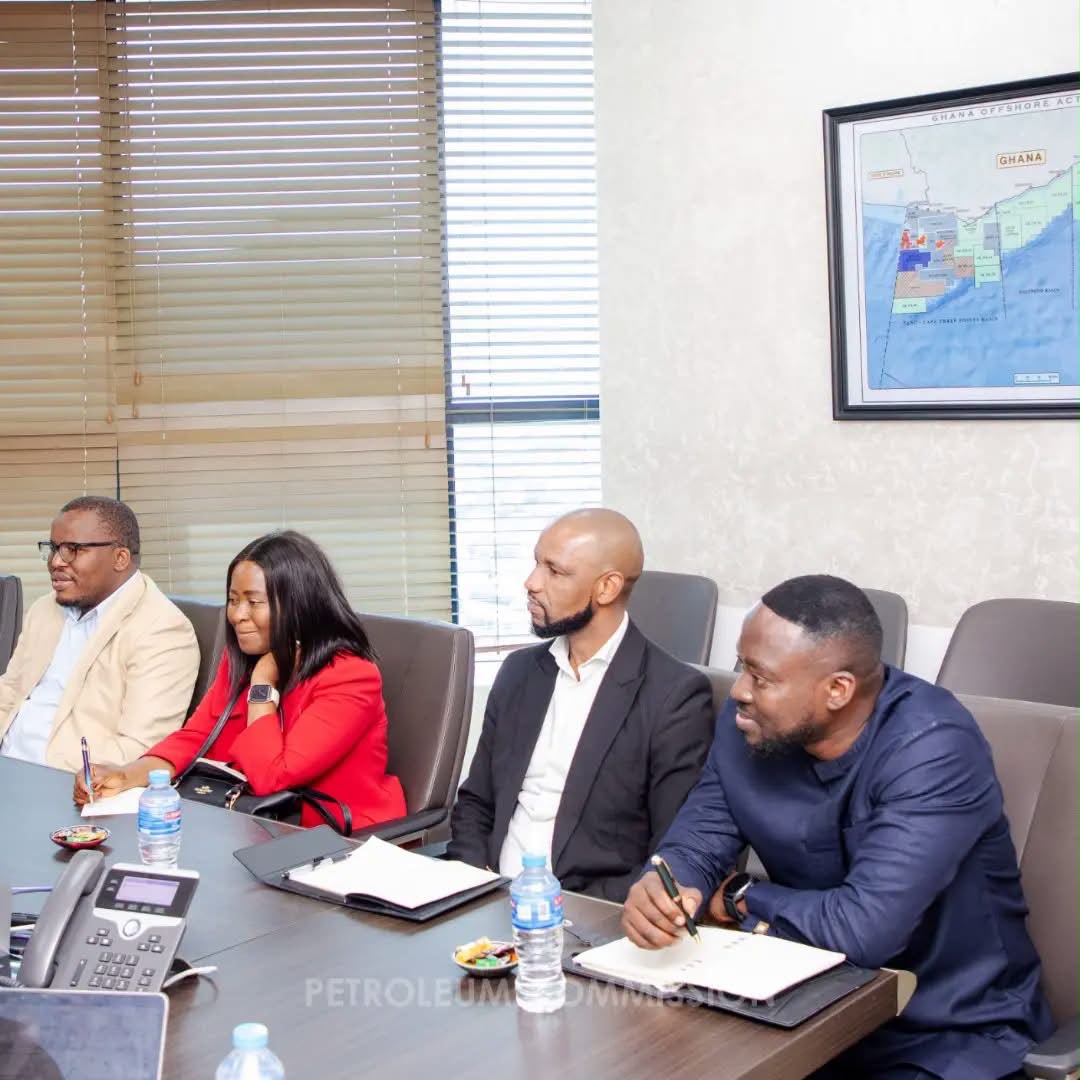
For Eswatini, the immediate benefit is access to practical experience as ENPC builds its own capabilities. For Ghana, the longer-term benefit could be the emergence of stronger African petroleum institutions capable of cooperating, sharing expertise and developing solutions suited to the continent’s own circumstances.
The engagement ultimately reinforces a simple point: Africa’s petroleum future will depend not only on how much oil and gas the continent produces, but on how effectively its institutions convert those resources into investment, technical capacity, jobs and sustainable economic value.
READ ALSO: GIZ, Strengthening Food and Nutrition Security Takes Centre Stage in Accra