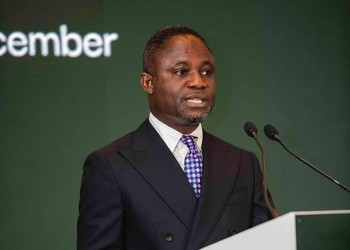
Ghanaian Legal Counsel, Samuel Alesu-Dordzi has urged newsrooms to respond openly when published information contains inaccuracies, saying prompt corrections and transparency are essential to preserving public trust. He explained that media organisations may also need to apologise, withdraw inaccurate material and provide affected persons with an opportunity to present their side of the story.
Speaking in an exclusive interview with the Vaultz Media Network, the Founder of 233 Street Law Podcast outlined the legal and ethical responsibilities that arise when journalists discover errors in published reports.
The legal counsel identified an apology as an important first response where circumstances require one. He further explained that some situations demand stronger corrective action, including removing or withdrawing material that has been established as inaccurate.

Transparency, he noted, should accompany the correction process. Instead of silently altering a report and leaving readers unaware of what changed, newsrooms can openly acknowledge the error and explain the correction to their audience.
“It helps when you are transparent with your audience in terms of effecting corrections.”
Samuel Alesu-Dordzi
This approach, according to Mr Alesu-Dordzi, can help a media organisation demonstrate accountability when mistakes occur. It also gives audiences a clearer understanding of how the newsroom responds when information published in good faith later proves inaccurate.
The legal counsel also highlighted the place of rejoinders in responsible journalism. Where an individual feels aggrieved by a publication, allowing that person to present their account can contribute to a fairer public record.
Therefore, corrective journalism encompasses changing words on a webpage or issuing a brief clarification. It involves recognising the error, responding appropriately and giving affected parties a meaningful avenue to address the record.
Transparency Can Strengthen Public Confidence
Directing attention to the wider media environment, Mr Alesu-Dordzi connected accountability with the credibility of journalism. A newsroom that openly addresses inaccuracies can demonstrate that accuracy remains central to its relationship with readers and viewers.
This also places an obligation on editors and journalists to examine the consequences of corrections carefully. The nature of an error, its effect on an individual and the extent of its circulation can all influence the appropriate response.
Referencing the role of affected persons, the lawyer encouraged media organisations to remain receptive to rejoinders. Such responses can introduce additional facts or perspectives and allow audiences to consider competing accounts.
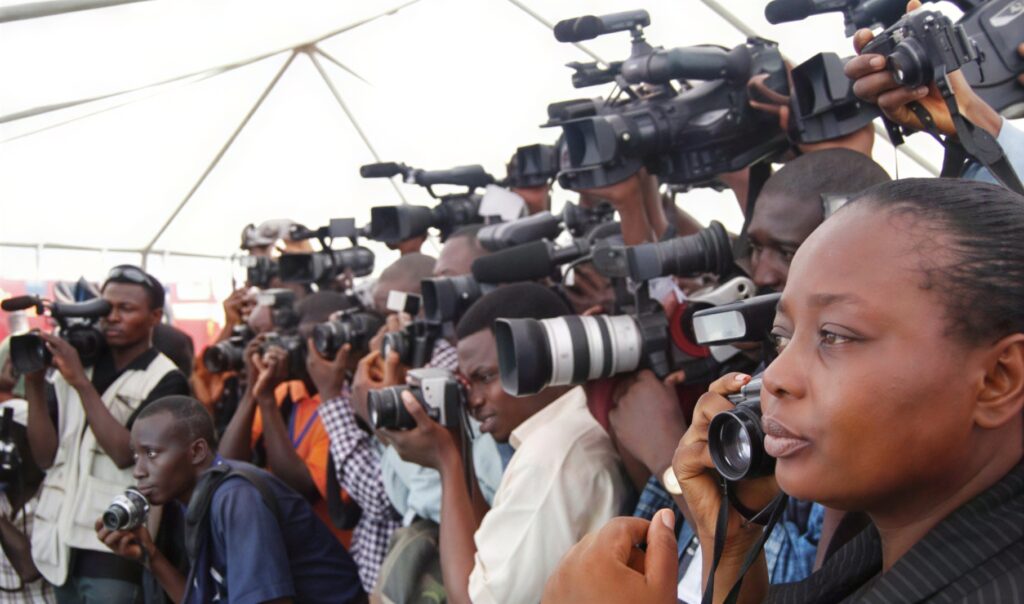
On this, the legal counsel’s position places responsibility on both sides of the publication process. Journalists carry the duty of accurate reporting while people affected by reports can seek space to respond to matters they consider inaccurate or unfair.
Thus, the correction process becomes part of responsible journalism itself. It can protect the credibility of a newsroom while helping the public distinguish between an original report and information that has later been corrected.
Ghana Needs Defamation Reforms To Protect Public Interest Journalism
Samuel Alesu-Dordzi has called for reforms to Ghana’s defamation framework, arguing that modern journalism faces legal pressures that can affect the willingness of newsrooms to pursue difficult stories. He identified strategic lawsuits against public participation, misinformation laws and the absence of a Ghanaian specific defamation statute as areas requiring closer attention.
The Ghana Law Hub Founding Editor explained that freedom of expression operates within a legal environment containing competing interests. Analysing that environment, he pointed to laws dealing with false publications and electronic communications alongside the growing challenge of misinformation and disinformation.
The lawyer referenced Sections 207 and 208 of the Criminal and Other Offences Act, which address publications capable of causing fear and alarm to the public. He also pointed to provisions under the Electronic Communications Act 2008 concerning false or misleading electronic communications.
These provisions, he explained, can serve legitimate public purposes where false information could trigger serious consequences. At the same time, their application requires careful consideration of the threshold for fear and alarm and the people or groups affected by such publications.
Legal Thresholds Require Careful Application
Referencing the practical challenges within the existing framework, Mr Alesu-Dordzi analysed how fear and alarm should be assessed. He suggested that clarity in application remains important within a democratic system where freedom of expression carries constitutional protection.

The legal counsel also drew attention to Strategic Lawsuits Against Public Participation, commonly known as SLAPPs. Such cases, he explained, can involve individuals with substantial financial resources pursuing litigation in ways that may intimidate journalists, commentators or media organisations.
“The idea behind those things is really to intimidate people from commenting about them or their activities.”
Samuel Alesu-Dordzi
According to the lawyer, the financial pressure associated with large claims can create difficulties for newsrooms with limited resources. Faced with the prospect of expensive litigation, some media organisations may become more cautious about publishing stories involving powerful individuals or contentious issues.
Therefore, the reform discussion extends beyond the wording of defamation laws. It also involves examining how legal processes can affect public participation, investigative journalism and the ability of smaller newsrooms to defend legitimate reporting.
Mr Alesu-Dordzi further proposed consideration of a Ghanaian specific legislation dealing with defamation. He suggested that such a framework could provide clearer direction for journalists, media houses and members of the public navigating disputes over reputation and publication.
Careful Language Can Reduce Legal Exposure
Practical guidance for journalists is one of the lawyer’s recommendations. He urged newsrooms to think carefully about both the meaning they intend to communicate and the possible interpretations their language may generate.
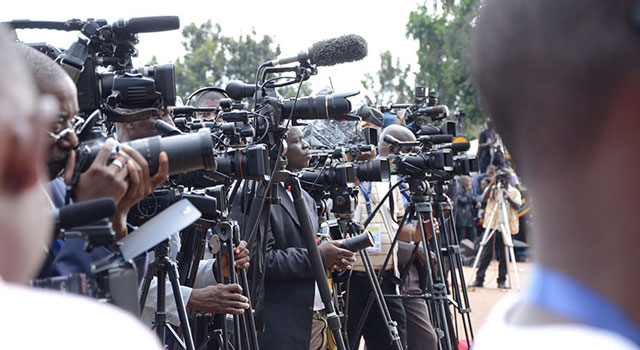
“You communicate so that you are understood, but crucially, you also communicate so you are not misunderstood.”
Samuel Alesu-Dordzi
Analysing the advice, the legal counsel emphasised deliberate wording as a practical safeguard for journalists. He explained that an idea can carry more than one possible meaning, creating legal difficulties when readers interpret a publication differently from the journalist’s intended message.
Thus, careful phrasing becomes part of the reporting process. Journalists need to consider their choice of words, the construction of their sentences and the possible implications of an allegation before publication.
This guidance applies across newsrooms, whether journalists are beginning their careers or working at established media organisations. Clear communication can strengthen public understanding while reducing avoidable disputes arising from ambiguous language.
READ ALSO: AISS Director Questions Cecilia Dapaah’s Role In Vetting Process Of NPP