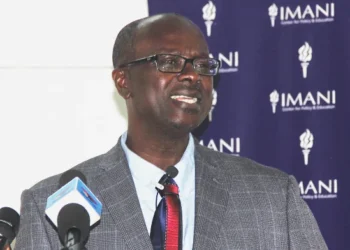
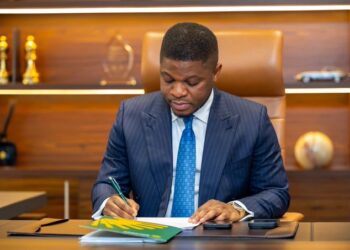
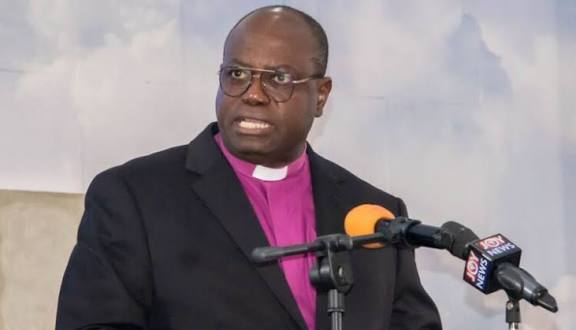
Vice Chairman of the Christian Council of Ghana (CCG), Rt. Rev. Abraham Nana Opare Kwakye, has called on Local Government Minister Mahama Ayariga to intensify efforts to combat illegal mining, commonly known as galamsey, warning that the practice continues to devastate Ghana’s environment while significantly driving up the cost of governance.
Speaking on the destructive impact of illegal mining, Rev. Opare Kwakye called for stronger collaboration among stakeholders to protect the country’s natural resources, stressing that the fight against galamsey must be pursued without let-up given its far-reaching consequences on the environment and public health.
Rev. Opare Kwakye was direct in describing the scale of the damage caused by illegal mining, linking the practice to the destruction of water bodies, pollution of the environment, and contamination of food sources, all of which he said were making life increasingly difficult for residents in affected communities.
“Without fail, we must continue sniffing out galamsey, which is destroying our water bodies, polluting the environment, affecting and poisoning the food we eat, making life terrible for people in our communities, and increasing the cost of governance for the leaders of our nation,”
Rt. Rev. Abraham Nana Opare Kwaky
Warning Against A “Wait And See” Culture
The Vice Chairman was critical of what he described as a harmful cultural tendency in Ghana to adopt a passive, “wait and see” attitude toward emerging problems, arguing that this mindset has repeatedly allowed issues to escalate before any meaningful action is taken.
“There are some clichés in this country that are not helpful, one of them is ‘wait and see’, so when something happens, somebody says let’s wait and see, but by the time we finish seeing, the cost of repair becomes problematic,”
Rt. Rev. Abraham Nana Opare
Rev. Opare Kwakye expressed appreciation for the Minister’s decision to personally attend the engagement rather than send a representative, describing the gesture as a clear signal of the Minister’s willingness to work collaboratively with the Christian Council of Ghana on matters of shared national concern.
He extended gratitude to the Minister for the respect shown in accepting the Council’s invitation, while directly appealing for continued partnership in addressing the “wait and see” culture before problems reach unmanageable proportions.
He urged that the structures of local governance be fully utilised to ensure the country’s environment is properly protected and maintained.

Concerns Over Broader Environmental Attitudes
Beyond galamsey specifically, the Vice Chairman raised concerns about what he termed a broader “dominion theory” mindset, which he said contributes to environmental destruction by encouraging exploitation of natural resources without adequate regard for sustainability.
While acknowledging that this is a global phenomenon, he stressed that it has become a particularly serious problem within the Ghanaian context.
He further lamented the persistence of poor sanitation practices across the country, expressing dismay that open defecation remains a reality in Ghana even in the present era, describing it as a puzzling and troubling state of affairs for a nation at this stage of development.
Flooding And the Cycle of Reactive Cleanups
Rev. Opare Kwakye also drew attention to the recurring problem of flooding across various parts of the country, recalling a period during which citizens, including national leaders and government ministries, came together to undertake a general cleaning exercise in response to the flooding crisis.
He described the collective effort as commendable and expressed gratitude for the coordinated national response at the time.
However, he cautioned that this momentum appears to have faded once the immediate flooding crisis passed, warning that the country risks slipping back into old patterns, waiting passively for the next round of flooding before mobilising for another cleanup exercise.
Call for Sustained, Not Seasonal, Action
Taken together, Rev. Opare Kwakye’s remarks painted a picture of a broader governance challenge extending beyond galamsey alone, touching on sanitation, environmental stewardship and civic responsibility more generally.
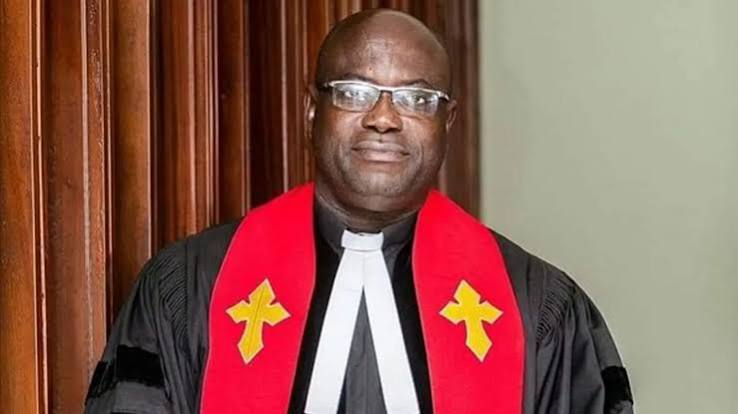
His appeal to Minister Ayariga reflects a wider call for sustained institutional action rather than episodic responses triggered only after visible crises emerge.
With the Minister’s direct engagement with the Christian Council of Ghana seen as a positive signal of collaborative intent, attention will likely turn to how quickly local governance structures are strengthened to address illegal mining and related environmental concerns on a continuous basis, rather than through periodic, crisis-driven interventions.
READ MORE: TMPC Cracks Down on Unlicensed Traditional Medicine Practitioners