
The D&D Fellow in the field of the Politics of Development at CDD-Ghana, Dr John Osae-Kwapong, has emphasised that financial independence for local authorities would determine the success of Ghana’s decentralisation agenda. He explained that the proposed Decentralisation Policy 2026 to 2030 offers a stronger pathway for local administrations to function effectively without excessive dependence on the central government.
Dr. Osae-Kwapong noted that decentralisation efforts often struggled when local assemblies lacked the authority to raise and control resources for development projects. He indicated that administrative reforms alone could not guarantee meaningful decentralisation if local governments continue to wait for approval and funding from Accra before responding to urgent community concerns.
According to the political scientist, empowering district assemblies with financial authority would strengthen decision making at the grassroots level. He added that local leaders would become more responsive to the immediate needs of their communities when they possess adequate resources and discretion to act independently.
The D&D Fellow further argued that local governments require stronger fiscal authority to address developmental challenges promptly. He pointed out that delays in accessing central government support frequently slowed down interventions that affect ordinary residents across the country.
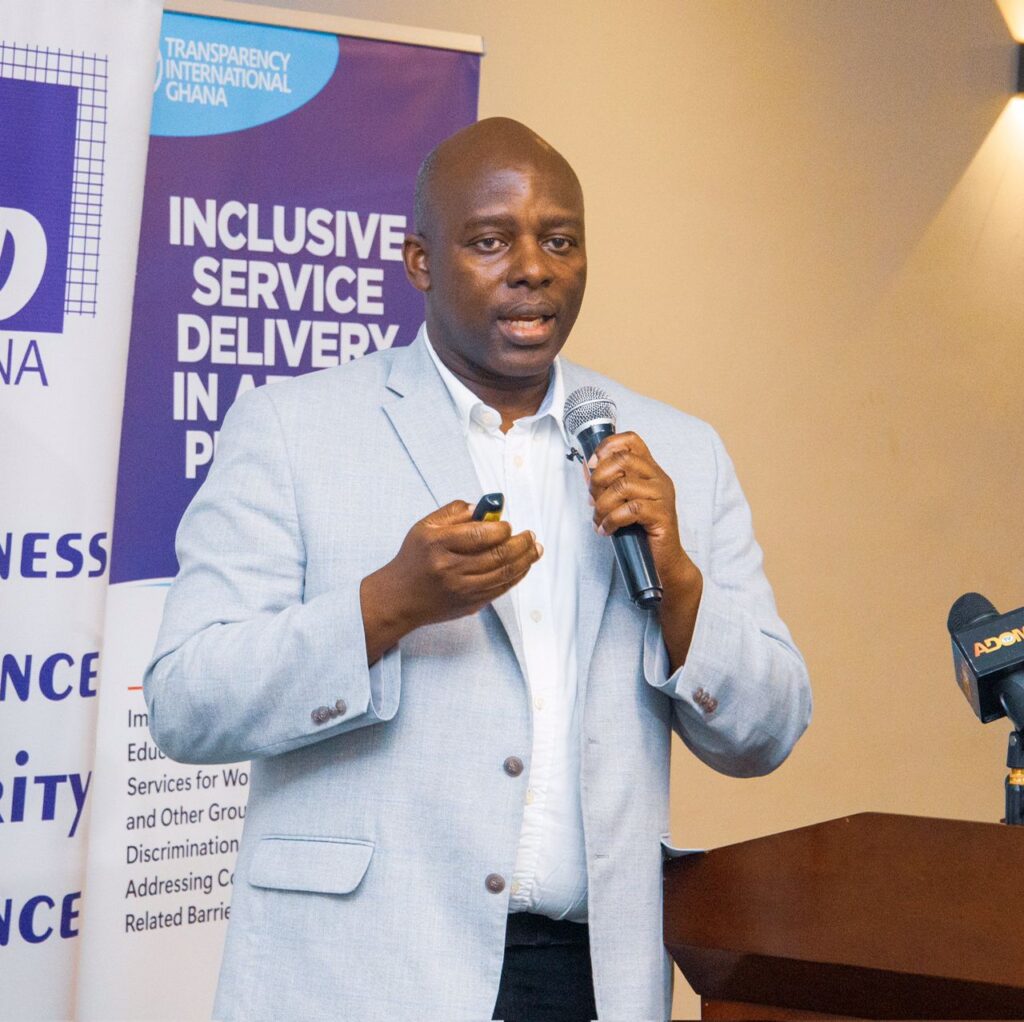
“Any effective decentralisation policy that only focuses on the administrative things, but does not give local governments financial autonomy, can place limitations on how truly decentralised a governance system is. So, I like the emphasis on the financial autonomy part because local governments can become empowered enough to take independent decisions.”
Dr. John Osae-Kwapong
In a further assessment, Dr. Osae-Kwapong stated that the policy’s emphasis on local revenue generation could improve accountability at the district level. He suggested that assemblies with stronger control over internally generated funds would be encouraged to prioritise development projects that directly benefit their residents.
He also observed that financial empowerment could reduce pressure on the central government in handling local administrative responsibilities. From his perspective, district authorities would become more innovative in solving problems once they possess the financial flexibility to initiate programmes suited to their local realities.
The governance analyst subsequently urged policymakers to remain committed to implementing the policy objectives beyond the planning stage. He stressed that the effectiveness of the decentralisation programme would depend heavily on the political will to transfer real authority and resources to local institutions.
Furthermore, he expressed optimism that a successful decentralisation framework could deepen citizen participation in governance. He explained that communities often become more involved in development initiatives when decision making processes are brought closer to them.
Transfer Of Power To Districts Could Ease Governance Pressure
Dr John Osae-Kwapong observed that the transfer of decision making powers to local authorities could significantly improve governance delivery across the country. He explained that individuals closest to community challenges are often better at identifying practical and timely solutions to those problems.
The D&D Fellow stated that the decentralisation policy recognises the importance of involving local authorities in solving development concerns within their jurisdictions. He noted that communities experience certain challenges directly and therefore possess an understanding of the realities surrounding them.
“Those closest to the problem should be part of the design of the solutions to the problem. They know it, see it and feel it firsthand, so transferring some decision making powers to them is very helpful.”
Dr. John Osae-Kwapong
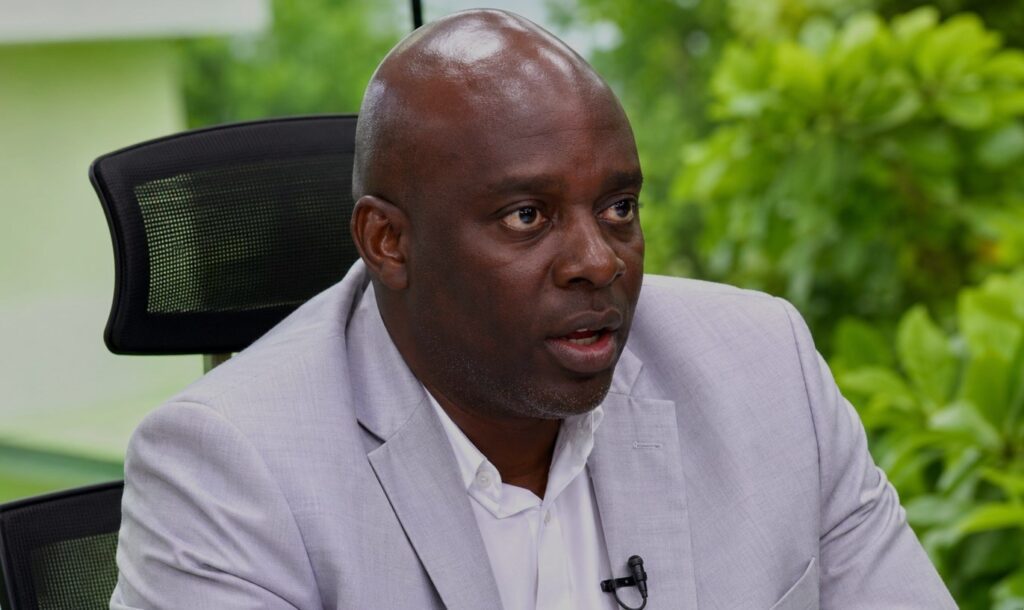
Dr. Osae-Kwapong further indicated that issues such as flooding, poor sanitation and damaged roads could be resolved more efficiently when local assemblies were empowered to respond immediately. He suggested that district authorities should be entrusted with greater responsibility to handle such matters without prolonged bureaucratic delays.
Turning his argument to governance administration, he argued that decentralisation could create a balanced system where local institutions share responsibility with the central government. He added that this approach would allow national leaders to focus on policy concerns while local authorities concentrate on community level development.
The political scientist also pointed out that local governance structures would need adequate support and institutional confidence to carry out these responsibilities effectively. He explained that decentralisation would only succeed when local officials feel empowered enough to implement policies decisively within their jurisdictions.
Meanwhile, Dr. Osae-Kwapong cautioned that Ghana’s governance difficulties often emerge during the implementation stage of policies. He remarked that many strong proposals have failed to achieve their intended outcomes because the required commitment and follow through were not sustained after policy announcements.
“Don’t let these good ideas remain just good ideas. Make sure the commitment to full implementation is there. If these thematic areas are implemented well, I foresee an empowered local government system.”
Dr. John Osae-Kwapong
According to him, local officials would become the frontline personnel responsible for ensuring the policy delivered measurable results for citizens. He therefore encouraged stakeholders at the district level to embrace ownership of the decentralisation programme and work collectively to ensure its success across the country.
READ ALSO: Cedi Ranked Among Africa’s Worst Performing Currencies