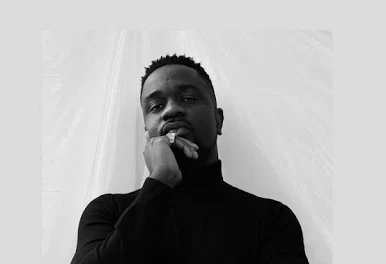
Ghanaian rap superstar Sarkodie has ignited a passionate conversation in the entertainment industry after publicly urging event organizers, particularly those outside Accra, to schedule performances earlier.
The multiple-award-winning artist highlighted the physical toll of performing into the early morning hours, a common occurrence in Ghana’s vibrant but demanding nightlife culture.
In a candid thread on X (formerly Twitter) that quickly went viral and propelled him to trending status nationwide, Sarkodie explained his personal limitations as a performer.
“As a performer, my peak energy is until about 1 a.m. – after that, my body naturally shuts down” .
Sarkodie, Rapper
While acknowledging that he can still deliver shows at 4 a.m., he emphasized that such late sets fall short of the high standards his fans expect and deserve.
The issue came to a head following a recent performance in Bogoso, where Sarkodie took the stage around 4:30 a.m. after being roused from sleep. A fan praised his professionalism, but the rapper responded with honesty.
“Trust me you would have enjoyed it more if I came earlier … I woke up from deep sleep then straight to the stage. As a performer I can pull it off without you noticing but that’s nothing close to the energy I use on stage.”
Sarkodie, Rapper

Sarkodie’s plea extends beyond personal comfort. He called on organizers to break the cycle of deliberate delays often used to boost on-site ticket sales or accommodate late-arriving crowds.
He encouraged a cultural shift, suggesting organizers start events earlier, accept initially low turnout, and gradually train audiences to arrive on time – a model common in Western markets.
“It’s not normal,” he implied, pushing for sustainable practices that prioritize artist wellbeing and performance quality.
His comments have drawn support from fellow artists. Singer KiDi echoed the sentiments, while others in the industry have quietly acknowledged similar frustrations with grueling schedules. However, not everyone agrees.
Some fans and stakeholders defend Ghana’s late-night party culture, arguing it is integral to the social fabric of events, especially in regional areas where audiences may travel long distances after work or prefer night-time entertainment.
Critics within the conversation point out that headline artists like Sarkodie often perform last, meaning earlier starts for supporting acts could still push main performances into the night. Others suggest solutions like afternoon or early evening slots for certain shows or better time management overall.
One observer noted: “Events need to start on time. I’m always shocked why every time we dey finish event at 5/6am. It’s bad.”
This debate highlights broader challenges in Ghana’s growing music industry: balancing cultural expectations, economic realities for promoters, and the health of artists who frequently tour domestically and internationally.
Momentum from International Success
The timing of Sarkodie’s comments is notable as he rides high on international acclaim. His Rapperholic concert series, which began in Ghana in 2012, made a successful London debut at the prestigious Royal Albert Hall.
Building on that momentum, tickets for Rapperholic UK 2027 at the iconic O2 Arena on March 6, 2027 coinciding with Ghana’s 70th Independence Day celebrations are selling rapidly.

Promoters and fans view the O2 show as a historic milestone, potentially positioning Sarkodie as one of the first Ghanaian artists to headline the massive 20,000-capacity venue. The swift ticket sales mirror the success of the previous London event, underscoring his growing global appeal and the professional standards expected on bigger stages.
Sarkodie has long advocated for elevating Ghanaian music. From mentoring emerging talents to demanding better infrastructure and investor support for events in cities like Kumasi, his latest intervention fits a pattern of pushing the industry forward.
Industry insiders say late starts stem from multiple factors: traffic in major cities, audience habits, power or technical issues at venues, and the desire to maximize bar sales or gate takings.
However, prolonged events can lead to fatigue for both artists and fans, potential safety concerns in the early morning, and reduced overall enjoyment.
Sarkodie’s intervention could catalyze change if embraced by promoters and fellow artists. As one supporter put it, emulating disciplined events like those by playwright Ebo Whyte where late arrival means missing out might be a way forward.
As Ghana’s music export gains international traction, aligning domestic practices with global professionalism could be key to sustaining the industry’s growth.
READ ALSO: GES Assures Placement for All Qualified BECE Candidates