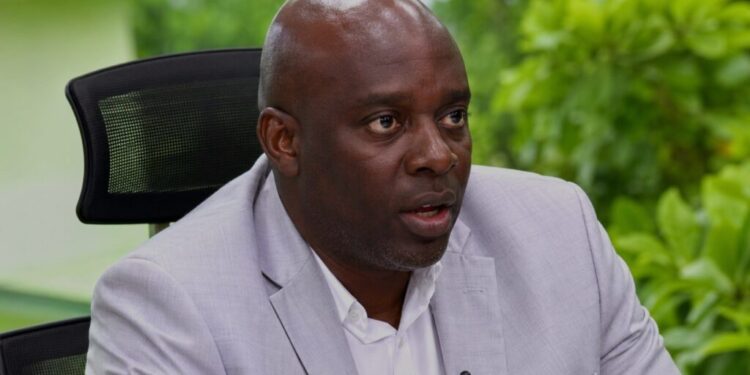
The D&D Fellow in the field of the Politics of Development at CDD-Ghana, Dr John Osae-Kwapong has cautioned politicians within the governing party to place national governance above early succession discussions ahead of the 2028 elections.
He observed that the recent exchanges involving Johnson Asiedu Nketiah and Haruna Iddrisu have generated growing public attention and could easily be interpreted as signs of internal tension within the party.
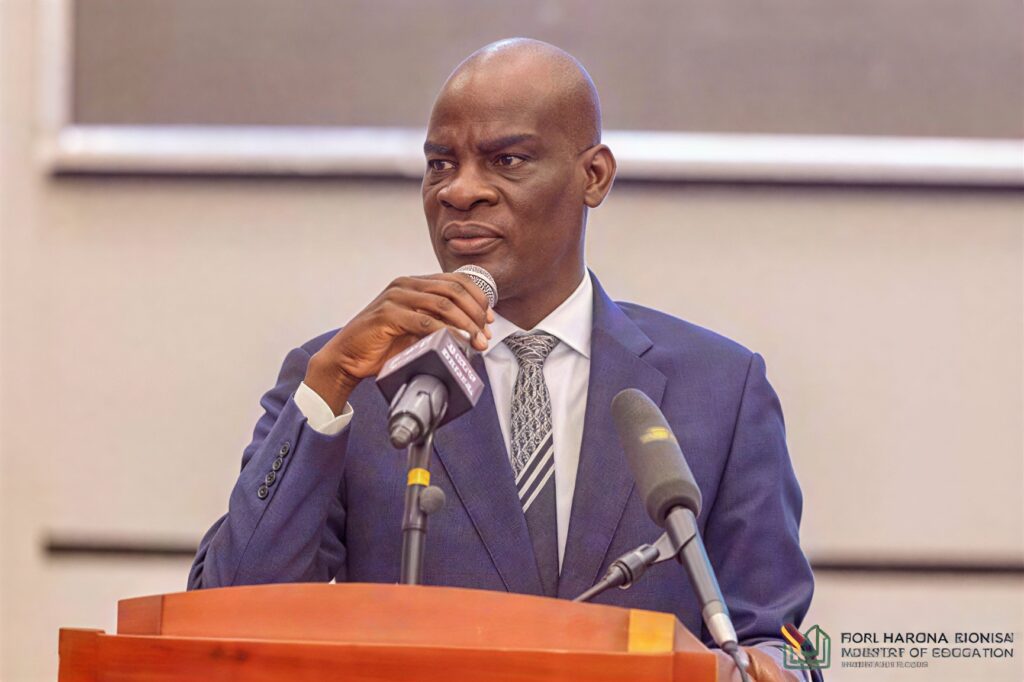
The D&D Fellow explained that the initial remarks and responses between the two senior figures appeared measured at first. However, according to him, the public framing of the exchanges have gradually shifted into speculation about future leadership ambitions within the National Democratic Congress.
From his view, the conversation surrounding who succeeds President John Mahama should not dominate the political space at a time when government remains in the early stages of its mandate. He stressed that the party’s leadership and government officials must remain focused on delivering on the expectations of citizens who entrusted them with power.



“The time to have the succession conversation will come. The time to battle over who succeeds President John Mahama will come, though that time is not now. Voters will ultimately judge leaders by their governance record and whether they kept faith with the people.”
Dr. John Osae-Kwapong
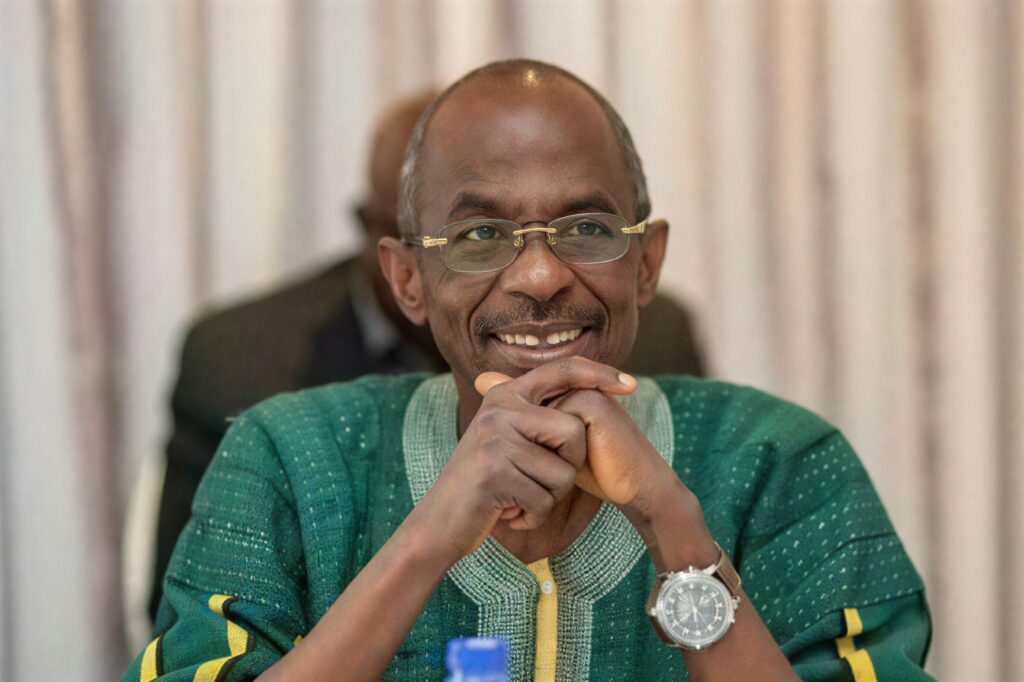
Dr. Osae-Kwapong indicated that public confidence in political leadership is influenced largely by performance in office and not internal contests for influence. In his assessment, discussions about future presidential succession risk diverting attention from pressing governance issues that directly affect citizens across the country.
On the political implications, the D&D Fellow pointed out that many politicians naturally hold ambitions for higher office. Nevertheless, he argued that those ambitions should be managed carefully to preserve unity within the governing party and sustain confidence in the administration.
He further referred to comments made by political scientist Dr Kwesi Jonah and described them as timely advice for party leaders. According to him, the political climate currently demands discipline, strategic patience and concentration on policy delivery instead of prolonged public exchanges over future leadership.
The D&D Fellow also observed that voters often pay close attention to the conduct of political parties while they are in office. Consequently, he noted that citizens are more likely to reward governments that remain committed to development and accountability throughout their tenure.
Meanwhile, Dr. Osae-Kwapong stated that internal political debates should be approached with caution to prevent unnecessary divisions from escalating publicly. He explained that excessive focus on succession politics could deteriorate the government’s communication on critical national programmes and policy initiatives.
According to him, the governing party still has significant responsibilities to fulfill before the next electoral cycle becomes the central political discussion. He therefore encouraged party leaders and government officials to concentrate on governance outcomes that would strengthen public trust before attention shifts toward future contests.
Internal Party Tensions Risk Distracting Attention From Governance Agenda
The D&D Fellow in the field of the Politics of Development at CDD-Ghana, Dr John Osae-Kwapong urged political leaders to establish clear internal guidelines capable of balancing ambition with governance responsibilities. He argued that political organisations require discipline and direction to prevent internal contests from overshadowing national priorities.
Dr. Osae-Kwapong recalled that former President John Agyekum Kufuor previously encouraged appointees with presidential ambitions to step aside from government roles and pursue their political interests separately. He explained that such approaches help governments maintain concentration on administration and policy implementation.
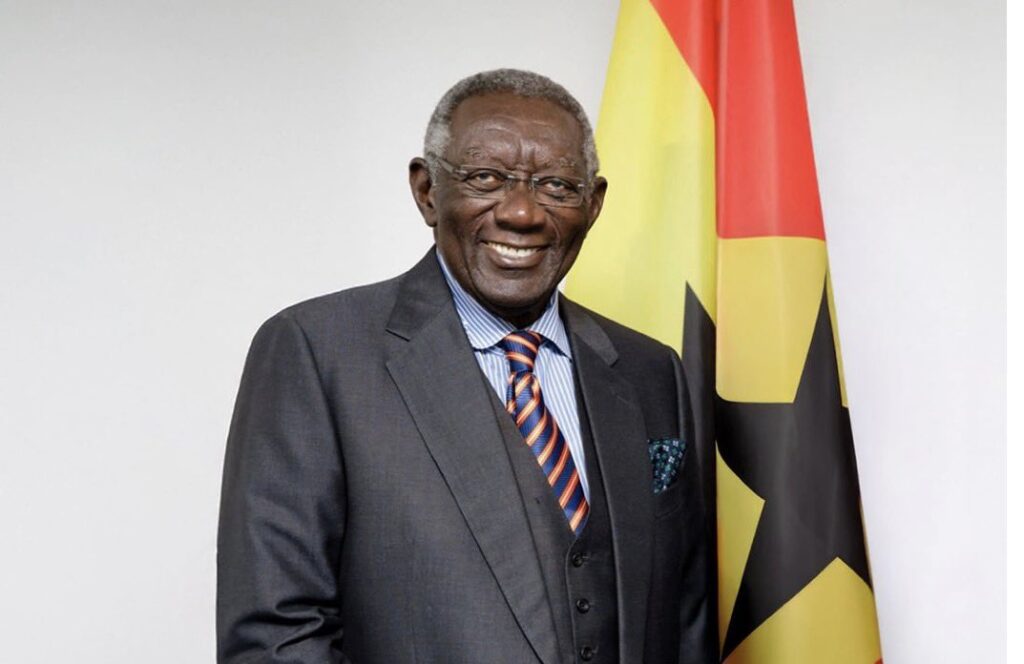
According to him, political parties must continuously communicate expectations to members serving in government while succession interests remain active in the background. He added that leadership structures should guide conduct in ways that reduce distractions and preserve public confidence in the administration.
“We are barely into year two of the administration, so there must be balance between governing and personal ambition. The obligation to govern effectively is the reason the party was elected into office.”
Dr. John Osae-Kwapong
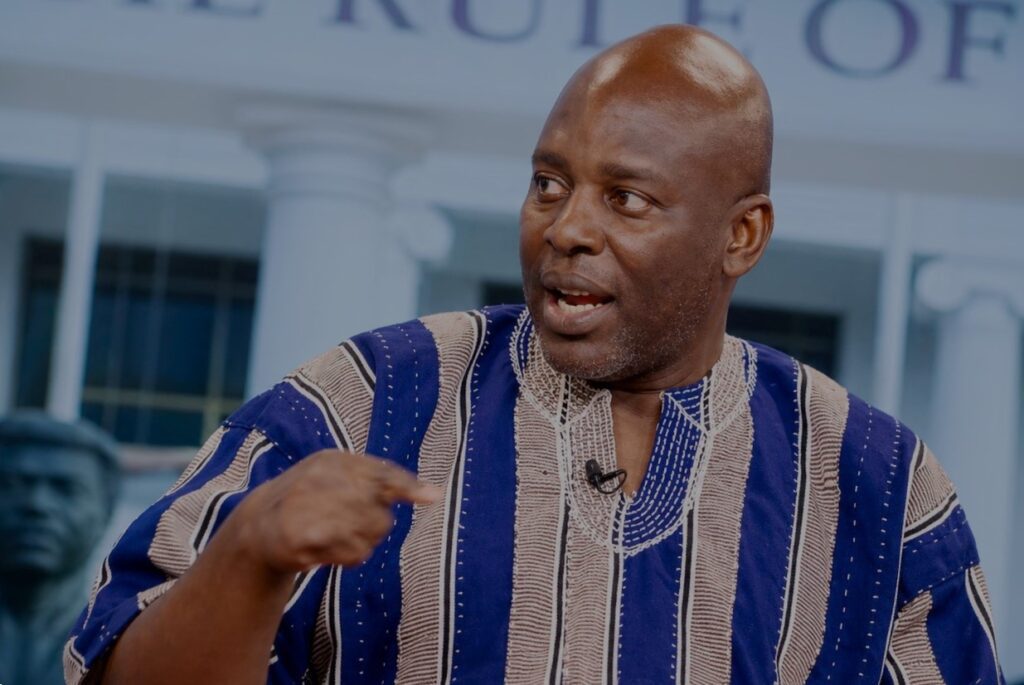
The D&D Fellow further stated that internal political rivalries become worrying when they spill openly into the public domain and compel party figures to align themselves with competing camps. In his assessment, prolonged public disputes can gradually direct attention away from developmental conversations and limit public engagement with policy issues.
He pointed to discussions surrounding decentralisation reforms as an example of governance matters receiving limited public attention amid ongoing political speculation. From his perspective, national policy conversations deserve stronger visibility because they carry direct implications for development and institutional progress.
Dr. Osae-Kwapong also explained that public distractions created by internal contests could affect the pace of government programmes across key sectors. He observed that ministers and government appointees perform best when their focus remains firmly on implementing the President’s agenda without prolonged political uncertainty.
“You do not want internal battles over succession to distract leaders from delivering on the President’s agenda. Citizens will judge the government by governance outcomes and not by how well politicians fought each other.”
Dr. John Osae-Kwapong
The D&D Fellow stated that Ghanaian voters traditionally assess governments based on economic management, service delivery and policy impact. Therefore, he noted that political parties seeking another term in office must ensure governance achievements remain stronger than internal political rivalries.
On electoral accountability, Dr. Osae-Kwapong argued that governments often secure public support when they maintain discipline and prioritise national development throughout their mandate. He stressed that political ambition becomes meaningful only when accompanied by credible governance performance and visible improvements in citizens’ lives.
He finally urged party leaders to manage internal disagreements with restraint and strategic communication to avoid unnecessary political distractions. According to him, maintaining focus on governance would strengthen the party’s chances of retaining public confidence ahead of the 2028 general elections.
READ ALSO: Chef Abby Caps UK Tour with Visits to YouTube and Google Office