
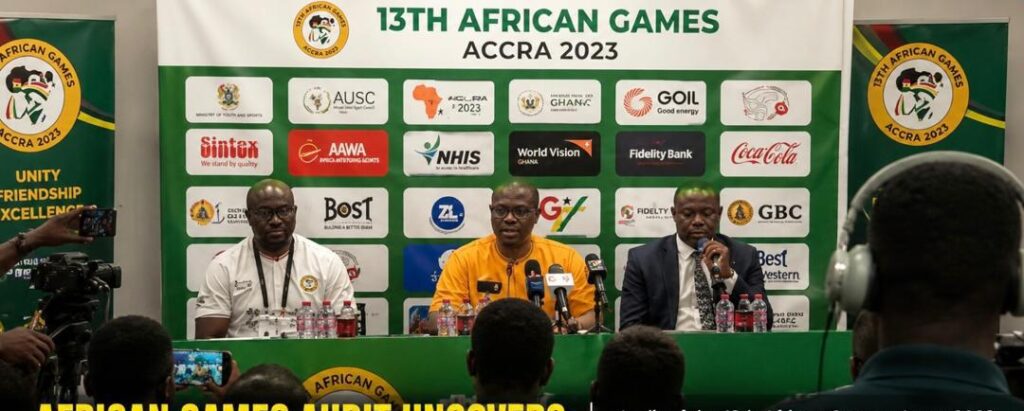
The Auditor-General has called for sweeping institutional reforms following the completion of a comprehensive audit into the 13th African Games, Accra 2023, which uncovered widespread financial and administrative irregularities amounting to more than GH¢580 million.
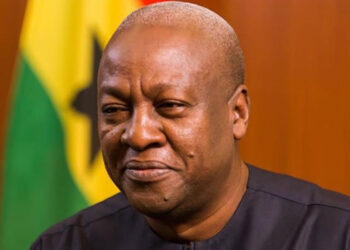
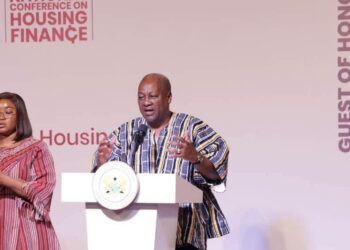
The audit, conducted by the Audit Service of Ghana on the directive of President John Dramani Mahama, concluded that the organisation and execution of the Games were affected by deep rooted failures in procurement, contract management, governance, supervision, and financial administration.
According to the report, the total quantified financial exposure arising from the identified irregularities stood at GH¢580,042,347.40. The report stressed that the irregularities were not isolated incidents but reflected broad systemic weaknesses across several institutional structures connected to the Games.
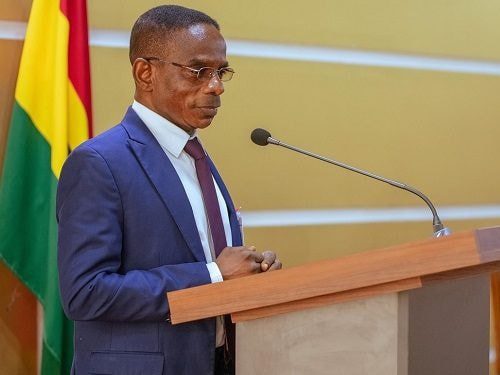
“The audit identified pervasive financial, procurement, contract management, governance, and supervision failures in the planning, execution, and financial administration of the 13th African Games”.
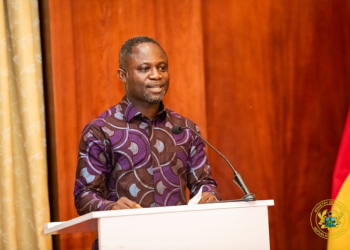
Johnson Akuamoah Asiedu, Ghana’s Auditor-General
The Auditor General further noted that procurement and administrative lapses were particularly evident under single-source contracting arrangements, where accountability safeguards appeared to have been weak or absent.
Patterns of Overpricing and Unsupported Payments
The report highlighted recurring cases of inflated pricing, unsupported expenditures, irregular contract variations, and weak internal financial controls during preparations for the Games.
According to the findings, several contracts lacked detailed schedules, proper price justification, and adequate verification mechanisms to confirm whether services paid for were actually delivered.
The audit stated that some contract sums were committed without itemised pricing structures, price reasonableness testing, or competitive procurement processes. In certain instances, payments were reportedly made for undelivered goods, unrelated activities, or without the required supporting documentation.
“The findings reveal a recurring pattern of overpricing, unjustified cost build-ups, irregular variations, scope reductions without price adjustments, inflated benchmarking, unsupported lump sum structures for variable services, weak cash controls, and payments outside mandated systems such as GIFMIS”.
Johnson Akuamoah Asiedu, Ghana’s Auditor-General
Auditors also identified cases where expenditures bypassed established government financial management systems, including GIFMIS, raising concerns about transparency and financial oversight.
The report warned that the absence of proper reconciliation between contract sums and actual quantities delivered significantly undermined value for money and weakened public accountability.
Infrastructure Defects Deepen Fiscal Concerns
Beyond the financial administration issues, the audit also uncovered serious concerns surrounding infrastructure projects developed for the 13th African Games.
The report identified construction defects, poor supervision, defective workmanship, and the use of non conforming materials across some facilities associated with the event.
According to the audit, project variations and major rescoping arrangements absorbed substantial public funds without delivering corresponding value to the state.
One of the key findings involved the Borteyman Sports Complex project, where the report said the “May Action Plan” variation led to a 23.8 per cent erosion in contract value.
“At the infrastructure level, the audit established material construction defects, supervision lapses, non-conforming materials, defective workmanship, and irregular variation settlements, including major rescoping adjustments that absorbed substantial public funds without commensurate value”.
Johnson Akuamoah Asiedu, Ghana’s Auditor-General
The audit further stated that additional claims, project extensions, and variation settlements across multiple projects worsened the state’s fiscal exposure.
The report concluded that the accumulation of these weaknesses contributed to wasteful expenditure and significantly reduced value for money in the delivery of the Games infrastructure.
Call for Structural Reforms
The Auditor-General maintained that the findings should serve as a major warning to government institutions responsible for managing large-scale public projects.
According to the report, the widespread and repeated nature of the irregularities demonstrated structural deficiencies within institutional control systems rather than isolated administrative lapses.
“Collectively, the audit demonstrates wasteful expenditure stemming from systemic breakdowns in governance, internal controls, procurement compliance, contract administration, financial stewardship, and supervision oversight”.
Johnson Akuamoah Asiedu, Ghana’s Auditor-General
The audit added that the overall effect of the irregularities was the erosion of accountability mechanisms, weakened procurement integrity, and increased fiscal risk to the state.
In its final recommendations, the Audit Service urged government to pursue both the recovery of irregular expenditures and broader institutional reforms aimed at strengthening procurement compliance and financial discipline.
“Given the magnitude of the quantified exposure and the breadth of systemic deficiencies identified, the audit recommends that the Government treat these findings as a catalyst for structural reform”.
Johnson Akuamoah Asiedu, Ghana’s Auditor-General
The Auditor General stressed that future national projects must be supported by stronger procurement controls, improved supervision systems, and stricter financial oversight measures to prevent similar occurrences.
The findings are expected to intensify discussions about public sector accountability and the management of state funded infrastructure and sporting projects in Ghana.
READ ALSO: Ghana Escapes Debt Trap After 12 Years As It Hits Moderate Debt Risk