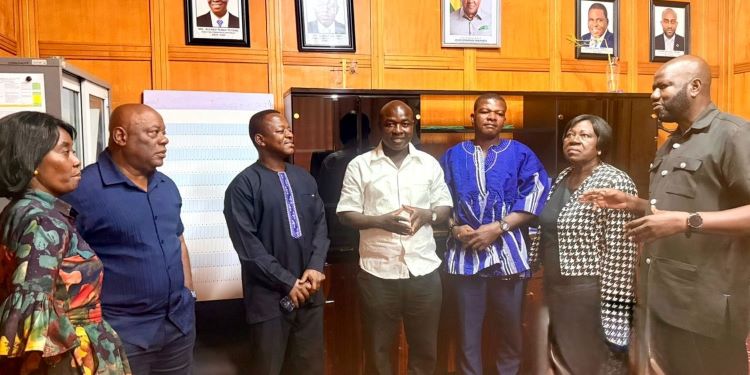
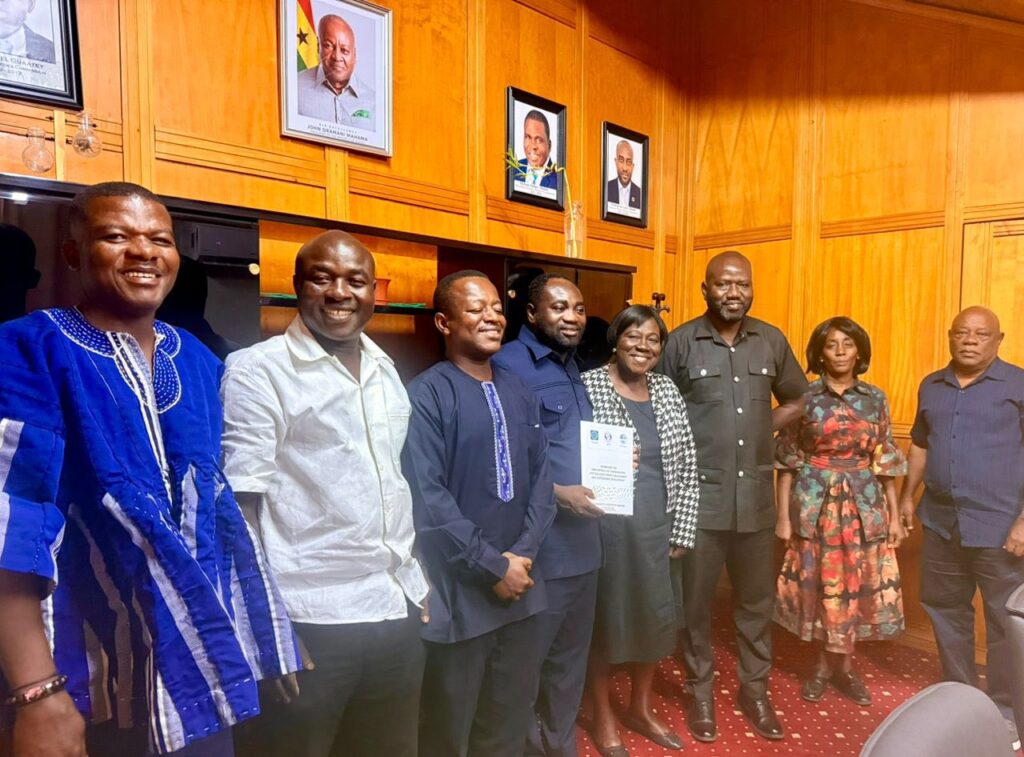
In a major step toward restructuring coastal marine governance, grassroots delegations representing Ghana’s artisanal fishing communities have formally delivered a comprehensive policy roadmap to state regulators in a meeting at the Fisheries Commission Headquarters in Accra.
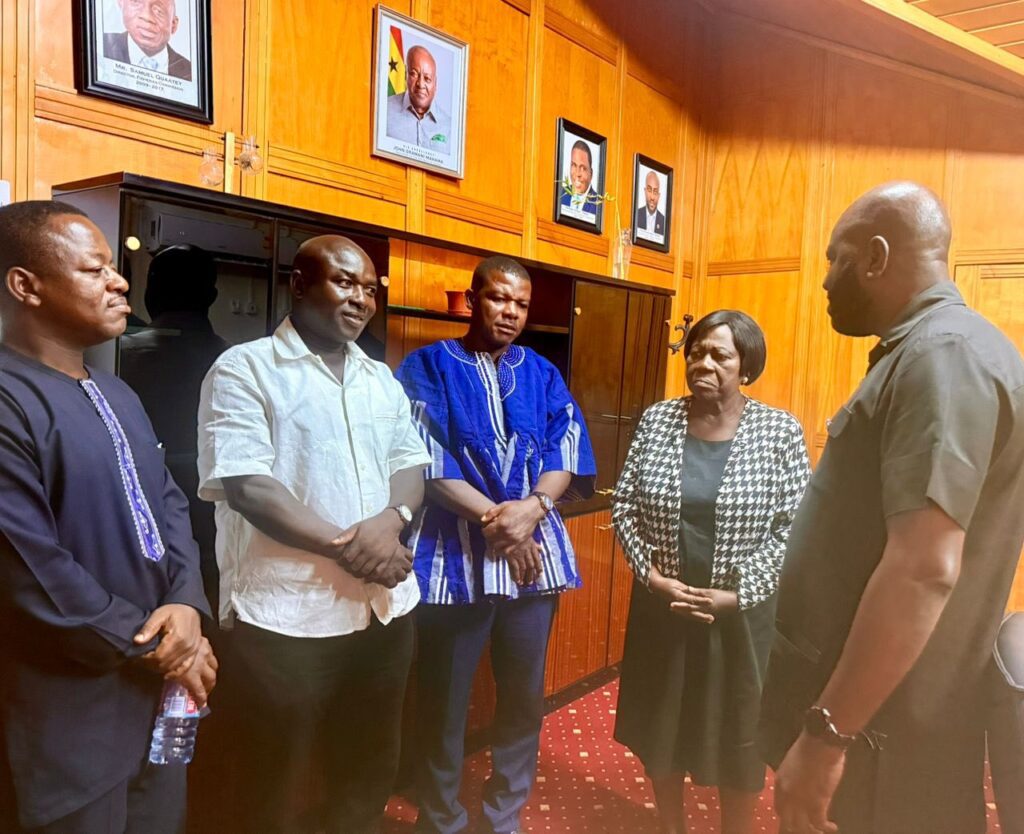
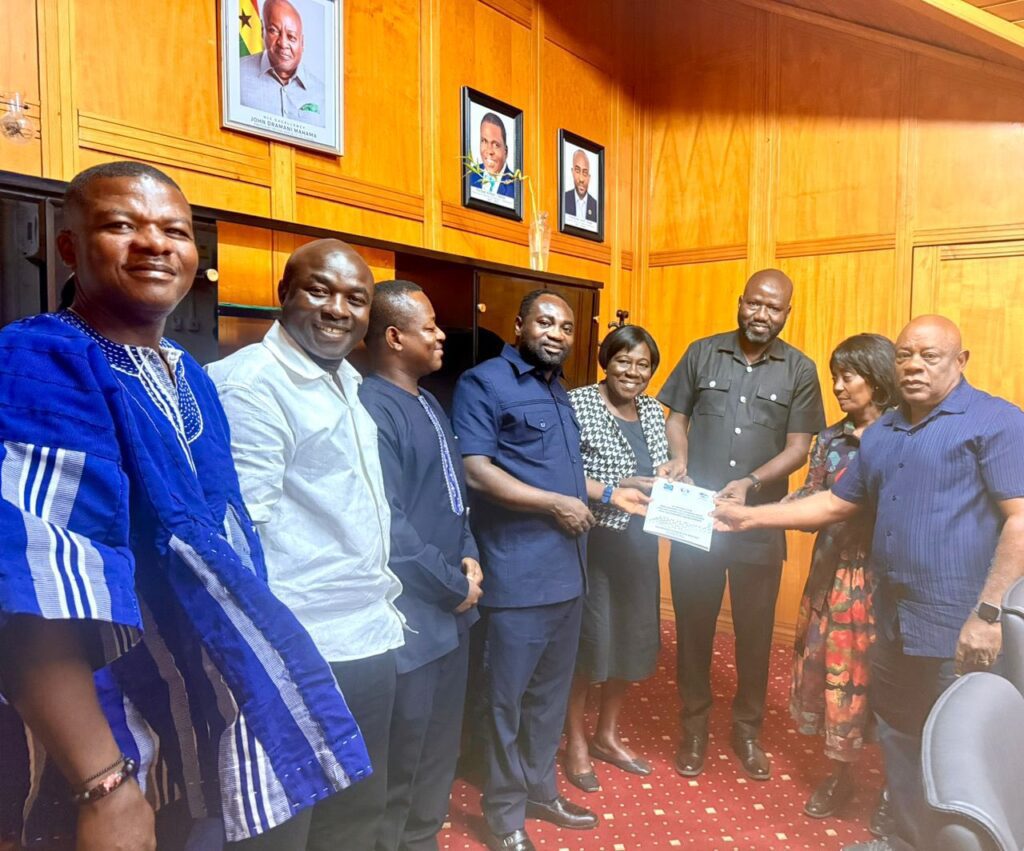
The strategic alliance of coastal stakeholders presented the executives with a finalized suite of findings aimed at securing the long-term survival of the domestic fishing industry. The document was handed directly to the Executive Director of the Fisheries Commission, Prof. Benjamin B. Campion, marking an institutional turning point toward community-led marine co-management.
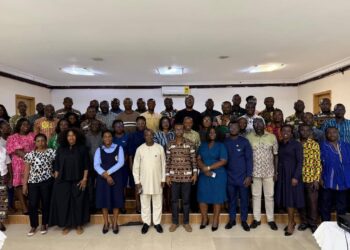
“Stakeholders from Ghana’s Small-Scale Fisheries (SSF) presented findings and recommendations from the three-day Workshop on Empowering Small Scale Fisheries (SSF) Stakeholders for Inclusive Policy Engagement and Sustainable Development held in November 2025”
Fisheries Commission
The high-level briefing served as the formal administrative transition of months of grassroots data collection, field research, and consensus-building among small-scale fishers. Rather than relying on top-down regulatory frameworks that struggle to manage coastal assets effectively, this new roadmap seeks to establish a decentralized operational structure.
Formalizing these guidelines at the headquarters level, stakeholders are attempting to institutionalize a sustainable baseline for an industry that supports millions of livelihoods along the national coastline. The policy document placed before Prof. Campion is rooted in the extensive resolutions achieved during an intensive three-day national summit convened in late 2025.
Though small-scale fisheries have functioned as the primary socio-economic safety net for Ghana’s coastal regions, providing critical nutritional security, rural employment, and domestic revenue, the lack of formal, structured integration of local fishers into state-level legislative mechanisms has frequently left artisanal communities vulnerable to sweeping regulatory changes, shifting market dynamics, and unchecked external pressures.
For the stakeholder coalition, elevating the findings of the workshop into a formal brief, is a move toward permanent institutional reform, as the documentation targets a complex matrix of structural friction points that are hindering the sector’s growth. Regulatory bodies are now being urged to systematically review these data points to build future national fisheries strategies around the documented needs of local landing beaches.
“The engagement highlighted key issues affecting fishing communities including governance, human rights, gender inclusion, youth participation, advocacy, policy engagement, environmental challenges, and sustainable fisheries management”
Fisheries Commission
The stakeholder petition is a call to view marine resource management through a comprehensive framework of human rights and social equity. In the artisanal sector, access to marine territories is not merely a commercial consideration; it is inextricably linked to the fundamental right to food security, localized economic stability, and territorial self-determination.
The roadmap emphasized that small-scale fishers must transition from passive subjects of state regulation to active architects of coastal legislation. For the SSF, improved governance requires establishing transparency in how fishing space is protected, how licenses are monitored, and how seasonal closures are determined.
The brief outlined how structural exclusions at the local level can lead to increased poverty and economic displacement along the coast.
Restructuring Demographic Equity
According to the Fisheries Commission, the SSF addressed the exclusion of key demographic groups from the formal management structures of local landing beaches.
While the physical harvesting of marine resources is predominantly performed by men, women form the financial and logistical backbone of the post-harvest supply chain. In Ghana, women fish processors and traders manage the processing, preservation, capital financing, and market distribution of artisanal catches.
Despite this extensive economic exposure, their representation in formal policy consultations has remained marginal. The workshop findings outlined specific operational strategies to formalize gender equity across all regulatory decision-making bodies, ensuring that women processors have an equal voice on co-management committees.
This is expected to allow Ghana leverage their economic influence to eliminate destructive harvesting methods and improve regulatory compliance at the shoreline.
The brief also addressed a critical undercurrent of youth participation, highlighting that as nearshore marine environments face unprecedented biological and climate pressures, the younger generation of coastal workers faces severe underemployment.
The roadmap emphasized the urgent necessity for state-backed mechanisms that route youth capital into formalized, high-value components of the blue economy – such as modern cold-chain logistics, technical marine engineering, and sustainable aquaculture development – preserving local labor structures and preventing irregular migration away from vulnerable fishing communities.
The successful operationalization of the proposed coastal reforms depends entirely on the creation of a permanent, cross-functional communication and monitoring network. The technical brief delivered to the Fisheries Commission explicitly rejected isolated bureaucratic management in favor of a broad, multi-layered alliance that integrates state power with grassroots intelligence.
“Participants reaffirmed their collective commitment to advancing the implementation of the SSF Guidelines and strengthening collaboration between The Ministry of Fisheries and Aquaculture (MoFA), Fisheries Commission (FC), Fish Worker Organisations (FWOs), and the Civil Society Organisations (CSOs), towards a more inclusive and sustainable fisheries sector in Ghana”
Fisheries Commission
As the technical teams within the Fisheries Commission and the Ministry of Fisheries and Aquaculture begin assessing the stakeholder roadmap, the broader coastal economy expects a swift transition from administrative acknowledgment to concrete legislative integration.
READ ALSO: Auditor-General Demands Sweeping Reforms over GH¢580m African Games Irregularities